





Gorse
Ulex L.
Gorse is a spiky bush with beautiful yellow flowers. It’s tough and can grow in rocky places!
Habitat: Coastal areas and hills
The Gorse is a very spiky evergreen shrub, often forming dense thickets. It has bright, pea-like yellow flowers that stand out against its dark green, needle-like leaves. Its formidable spines make it look different from most other flowering bushes.
Category
PlantsRarity
Common
Danger
1/5 · Very low
Snaps
1
Ancient people sometimes burned Gorse to heat their bread ovens.
Gorse can bloom for months, even through the cold winter snow.
Its bright yellow flowers often smell sweetly of coconut or vanilla!
This tough plant can live for over 30 years in harsh conditions!
Gorse has extremely sharp, tough spines that help it defend against hungry animals and retain precious water.
Gorse can fix nitrogen from the air into the soil, helping it grow in poor ground and enriching the area for other plants.
Gorse seed pods can burst open with a loud 'pop' on hot days, flinging seeds far away to spread the plant.
Apis mellifera
Pollinates its bright yellow flowers.
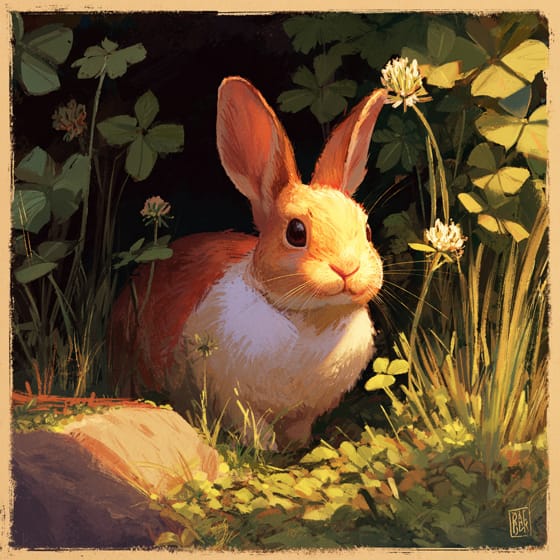
Oryctolagus cuniculus
Browses on young shoots and bark.

Prunella modularis
Nests and hides in its dense, spiky branches.
Rhizobium leguminosarum
Helps Gorse grow by adding nitrogen to soil.
A shrub is a woody plant smaller than a tree, typically with multiple stems branching from or near the ground.
Everblooming plants produce flowers continuously or in repeated flushes over a long period.
Fragrant flowers emit a pleasant aroma, often to attract pollinators or for defense.
Salt tolerant plants can withstand and grow in conditions with elevated salinity levels in the soil or water.

Coastal habitats are dynamic environments located along the interface between land and sea, influenced by tides, waves, and saltwater.
Danger
1/5 · Very low
Explore with care and ask an adult if you’re unsure what to do.
The easiest way to identify Gorse is to use the Snappit nature identifier app.
100-500 cm
100-300 cm
1-2 cm
Late winter to early summer, with sporadic blooms year-round
No
Mild
Perennial
Zoom in to split clusters and explore where this object has been snapped.
Take the discovery with you
Snap it with Snappit to identify it, learn what makes it special, and add the discovery to your collection.










.jpg&width=800)


_001.jpg&width=800)




