





Timothy Grass
Phleum pratense
Timothy Grass is a favorite food for many animals, especially rabbits and horses! It’s a tall grass that grows in clumps.
Habitat: Fields and meadows
The Timothy Grass has upright stems topped with a distinctive, dense, cylindrical flower and seed head, resembling a small green or purple bristly club. Its leaves are flat, pale green, and strap-like.
Category
PlantsRarity
Common
Danger
1/5 · Very low
Snaps
4
A single Timothy Grass plant can produce tens of thousands of tiny seeds!
Hay made from Timothy Grass is so nutritious, it helps make delicious milk!
It's a super important food for cows, horses, and bunnies all over the world!
This grass was named after Timothy Hanson, who introduced it widely in America!
Timothy Grass has feathery anthers and stigmas to easily catch and release pollen, helping it reproduce far and wide.
Timothy Grass has a tough, fibrous root system that helps it hold soil together and survive dry conditions.
Perennial plants live for more than two years, typically returning to grow and bloom each year from their roots.
This human use trait describes species cultivated or domesticated by humans for agricultural purposes, including crops and livestock.
Edible plants are those parts of a plant that are considered safe for human consumption.
Grassland habitats are terrestrial biomes dominated by grasses and herbaceous plants, supporting a variety of grazing animals.
Danger
1/5 · Very low
Explore with care and ask an adult if you’re unsure what to do.
The easiest way to identify Timothy Grass is to use the Snappit nature identifier app.
50-150 cm
Late spring to mid-summer
Yes
None
Perennial
Wind
Fields and meadows
Zoom in to split clusters and explore where this object has been snapped.

Wisconsin, US
You might spot White-Tailed Deer, American Robin, and Canada Goose.
View guide →
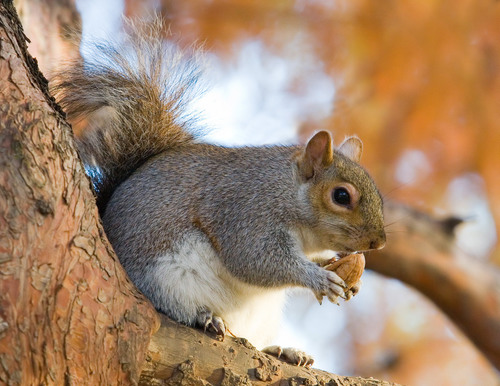
Illinois, US
You might spot Eastern Gray Squirrel, American Robin, and Duck.
View guide →
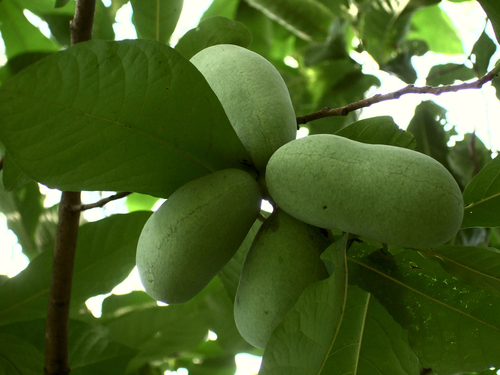
Ohio, US
You might spot Common Pawpaw, Eastern Newt, and Spotted Salamander.
View guide →

Montana, US
You might spot Western Toad and Mountain Lady's-Slipper.
View guide →
Take the discovery with you
Snap it with Snappit to identify it, learn what makes it special, and add the discovery to your collection.













.jpg&width=800)



_001.jpg&width=800)



