Asian Elephant
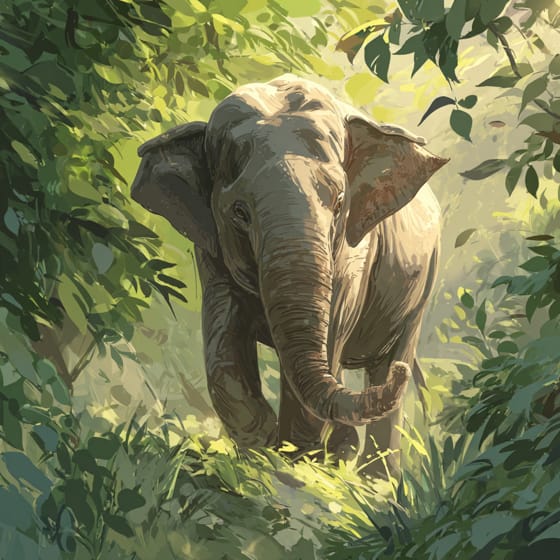
The Oklahoma City Zoo and Botanical Garden offers a vibrant blend of wildlife exhibits and lush gardens, providing an immersive experience for families and nature enthusiasts alike.
The Oklahoma City Zoo and Botanical Garden offers a vibrant blend of wildlife exhibits and lush gardens, providing an immersive experience for families and nature enthusiasts alike. Spanning 130 acres, this esteemed institution is home to over 2,000 animals representing more than 500 species, alongside meticulously cultivated botanical collections. Visitors can embark on a global adventure, exploring world-class habitats designed to replicate natural environments, fostering both animal well-being and exceptional viewing opportunities.
The visitor experience is one of discovery and connection, where guests can get up close to majestic creatures and marvel at diverse plant life. Signature exhibits transport you to different corners of the world, from the recently expanded Expedition Africa, where giraffes graze on savannas and visitors can enjoy eye-level feeding experiences, to the serene Sanctuary Asia, home to a herd of Asian elephants and Indian rhinoceros. The Great EscApe exhibit provides a fascinating look into the lives of critically endangered Western lowland gorillas, orangutans, and chimpanzees within lush rainforest settings.
Beyond the exotic, the Oklahoma Trails exhibit celebrates native wildlife, featuring iconic species like bison and black bears in naturalistic settings. The zoo also boasts a significant botanical collection, with 30,000 flowering bulb plants, a 21,000 sq foot butterfly garden, and rare plants from five different continents, ensuring a beautiful and green backdrop throughout your visit. Interactive experiences like Stingray Bay, where guests can touch and feed stingrays, and the Children's Zoo with its playful wallabies and lorikeet feeding, make the Oklahoma City Zoo a truly engaging and memorable destination for all ages. Take the ultimate field guide with you: use the Snappit app to identify birds, plants, and animals on your trip.
The Oklahoma City Zoo began its journey in 1902 in Wheeler Park with the donation of a single white-tailed deer, a rare sight at the time, which quickly attracted crowds. This small menagerie grew, and by 1903, the area was formally dedicated as the Wheeler Park Zoo. After a devastating flood in 1923, the zoo moved to its current location in Lincoln Park, officially reopening in 1924. Over the decades, it has seen significant expansions and improvements, including projects during the WPA era in the 1930s, like the construction of the Zoo Amphitheater and the original "Monkey Island". The zoo has continued to evolve, consistently enhancing its habitats and conservation efforts, becoming an accredited member of the Association of Zoos and Aquariums and the American Alliance of Museums.
Oklahoma summers can be very hot, so it's advisable to visit early in the morning, stay hydrated, and utilize indoor, climate-controlled areas and splash pads. Animals may be less active in extreme heat. Spring brings beautiful flowering plants. Seasonal events like "Haunt the Zoo" occur in October.
The Oklahoma City Zoo is highly accessible, featuring wheelchair-accessible paths, entrances, and restrooms. Wheelchairs and electric convenience vehicles are available for rent on a first-come, first-served basis. The zoo is also a certified "sensory-inclusive" venue, offering sensory bags with noise-canceling headphones and fidgets, and designating "Quiet Areas".
Witness giraffes and zebras in a sprawling savanna, with an elevated platform for giraffe feeding that offers eye-level interactions.
Encounter majestic Asian elephants and Indian rhinoceros. Don't miss the red pandas and Komodo dragons.
Observe critically endangered Western lowland gorillas, Sumatran orangutans, and chimpanzees in immersive habitats.
Discover native Oklahoma wildlife, including bison, black bears, and a diverse collection of reptiles and amphibians in the Herpetarium.
Each card links to a full Explore page with photos, traits, and fun facts.
Start with the big picture, then zoom in to explore individual wildlife observations around this place.
Arrive Early
Especially during warm weather or peak seasons, arriving right at opening (9 AM, sometimes 8 AM in summer) helps beat the heat and crowds, and animals are often more active.
Wear Comfortable Shoes & Stay Hydrated
The zoo is large (130 acres) and requires a lot of walking. Bring a refillable water bottle, especially in Oklahoma's hot summers.
Plan Your Route
Review a zoo map upon arrival or use the digital map to prioritize must-see exhibits and minimize backtracking. Consider which exhibits offer shade during the hottest parts of the day.
Take Advantage of Extra Experiences
Budget time and a little extra cash for animal feeding opportunities (giraffes, lorikeets, flamingos, rhinos) or Stingray Bay to enhance your visit.
Utilize Rental Services
If anyone in your group has limited mobility, consider renting a wheelchair or electric scooter near the entrance.
Don't Forget the Botanical Side
Take time to appreciate the beautiful landscaping and specific garden areas like the butterfly garden, which offer peaceful respites.
Mar 1, 2026
Feb 25, 2026
Feb 25, 2026
Feb 21, 2026
Feb 16, 2026

Michigan, US
You might spot African Lion, Komodo Dragon, and Brown Bear.
View guide →
.jpg)
Municipal District of Cobh, IE
You might spot Ring-Tailed Lemur, Giraffes, and Cheetahs.
View guide →

Nouvelle-Aquitaine, FR
You might spot Greater Flamingo, Giraffes, and Red Panda.
View guide →

Texas, US
You might spot Giraffes, African Lion, and Eastern Black Rhinoceros.
View guide →
Take the discovery with you
Identify the wildlife you spot, learn as you go, and keep a collection of the adventure.