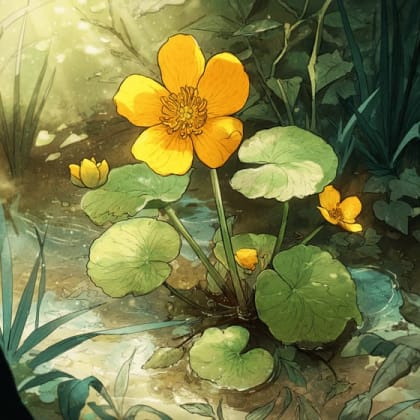
ninebarks
Physocarpus
Ninebark is a fun shrub with many branches that look like they have bark peeling off. It has pretty flowers in spring and colorful leaves in fall, making it a great plant for gardens!
Habitat: Forests
The ninebarks has uniquely peeling bark that sheds in papery strips, revealing multiple layers of reddish-brown to cinnamon colors. Its clusters of small white to pinkish flowers bloom in spring, followed by striking red fruit, while lobed green leaves often display vibrant fall colors.
Category
PlantsRarity
Common
Danger
1/5 · Very low
Snaps
Be the first to snap!
Its small, balloon-like fruits pop open to release tiny seeds!
Many varieties have stunning dark purple or gold leaves all summer long!
Native American tribes used parts of the plant for traditional medicine.
Ninebarks is a favorite plant for creating natural privacy hedges!
ninebarks has fascinating peeling bark that sheds in papery strips, helping it adapt to temperature changes and resist disease.
ninebarks can grow in tough spots like poor soil and urban pollution, helping it survive where many other plants struggle.
ninebarks forms dense, bushy growth, providing excellent shelter and nesting sites for birds and small animals to stay safe.
Apis mellifera
gathers nectar from its abundant flowers.
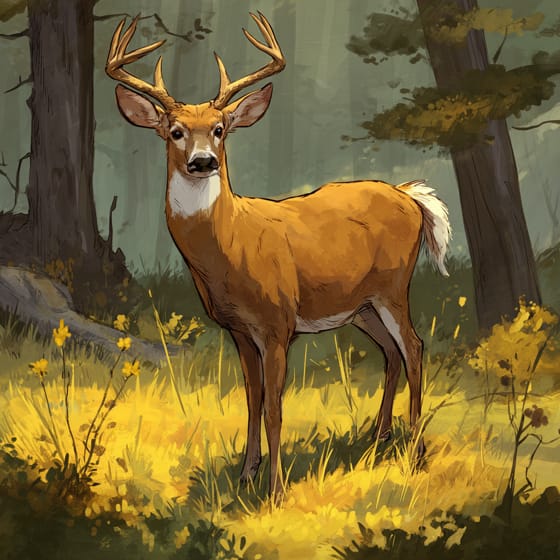
Odocoileus virginianus
browses on its leaves and twigs.
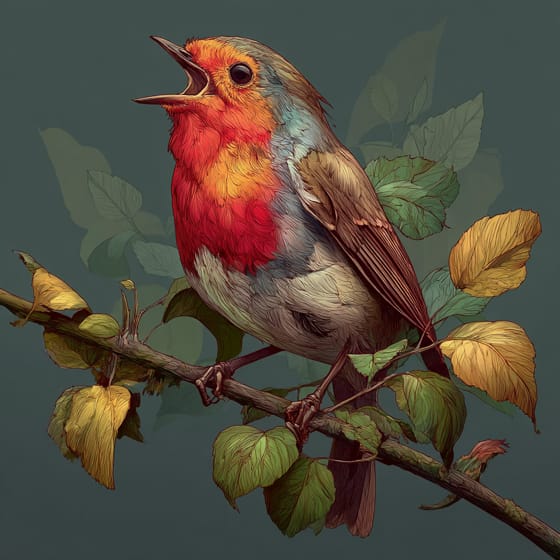
Turdus migratorius
builds nests within its dense, protective branches.
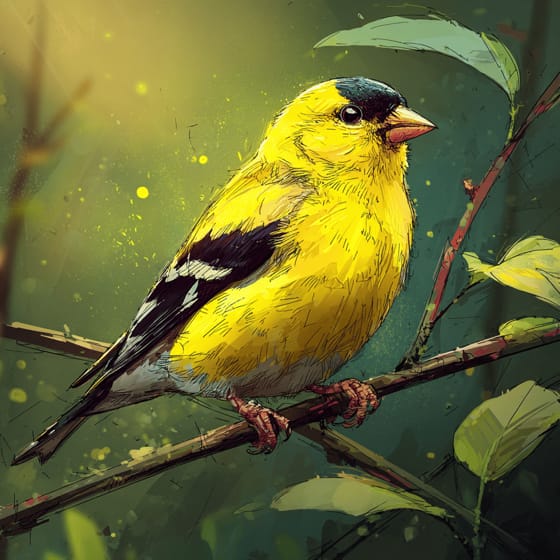
Carduelis tristis
consumes the small seeds from its autumn fruits.
Deciduous plants periodically shed all their leaves, typically during autumn or dry seasons.
Flowering plants are any plants that produce flowers as part of their reproductive cycle.
Shade tolerant plants are adapted to grow and thrive in areas with low light levels, requiring less direct sunlight.
A shrub is a woody plant smaller than a tree, typically with multiple stems branching from or near the ground.

Spring blooming plants produce their flowers during the spring season, often signifying the end of winter and the start of new growth.

Colorful describes organisms or objects displaying a wide range of bright and distinct colors.

Fall color refers to the seasonal change in foliage pigmentation, primarily in deciduous plants, displaying vibrant hues.

Describes plants that are particularly attractive and beneficial to a wide range of pollinating organisms.

Rapid growing plants exhibit accelerated growth rates, quickly increasing in size and biomass within a short period.

Forest habitats are terrestrial environments dominated by dense tree cover, supporting a high diversity of plant and animal life.
Danger
1/5 · Very low
Stay on paths when exploring and don't touch plants unless you're sure they're safe.
150-300 cm
150-300 cm
0.5-1 cm
Late spring to early summer
No
Mild
Perennial
Insect
Zoom in to split clusters and explore where this object has been snapped.
Recent snaps will appear here as new observations are added.