





Fescue
Festuca
Fescue is a group of grasses that are great for making lawns thick and green! They are hardy and can grow in different climates.
Habitat: Lawns and fields
The Fescue is a group of cool-season grasses, often forming dense, green clumps or tufts. Its slender, sometimes blue-green blades give lawns a fine texture, distinguishing it from broader-leaved grasses. Some varieties feature striking reddish-brown seed heads when mature.
Category
PlantsRarity
Common
Danger
1/5 · Very low
Snaps
Be the first to snap!
Each tiny Fescue seed contains everything needed to grow into a brand-new grass plant!
Fescue grass can grow so dense it creates perfect hiding spots for bugs and small creatures.
Its amazing roots help hold soil together, stopping erosion on hills and slopes after rain.
Some Fescue types are called "red fescue" because their leaves can actually turn a reddish color!
Fescue has deep roots that find water underground, helping it survive long dry spells where other plants might wither.
Fescue can grow well in shady areas, using its efficient leaves to capture sunlight even when it's not direct.
Fescue is very tough and can handle cold temperatures, staying green and growing even when winter arrives.

Bos taurus
Primary forage for livestock grazing.
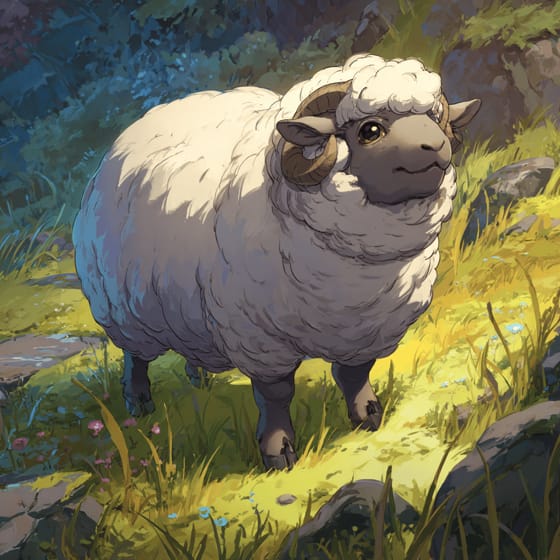
Ovis aries
Important food source for grazing sheep.
Epichloë festucae
Fungus living within fescue provides drought resistance and deters herbivores.

Melanoplus differentialis
Grasshoppers feed on fescue leaves.
Grass-like plants are herbaceous plants that visually resemble true grasses, typically having long, narrow leaves.
Shade tolerant plants are adapted to grow and thrive in areas with low light levels, requiring less direct sunlight.
Evergreen plants retain their foliage throughout the year, never shedding all their leaves at once.
Drought-tolerant plants can survive and flourish in conditions with limited water availability.

Grassland habitats are terrestrial biomes dominated by grasses and herbaceous plants, supporting a variety of grazing animals.

Rapid growing plants exhibit accelerated growth rates, quickly increasing in size and biomass within a short period.
Danger
1/5 · Very low
Explore with care and ask an adult if you’re unsure what to do.
The easiest way to identify Fescue is to use the Snappit nature identifier app.
30-90 cm
15-60 cm
Summer
No
None
Perennial
Wind
Zoom in to split clusters and explore where this object has been snapped.
Recent snaps will appear here as new observations are added.
Take the discovery with you
Snap it with Snappit to identify it, learn what makes it special, and add the discovery to your collection.









.jpg&width=800)



_001.jpg&width=800)


