
Date Palm
Senegal date palm phytoplasma
The Date Palm is a tall tree with a trunk that grows straight up. It has long, feathery leaves that look like green fans!
Habitat: Deserts and warm places
The Date Palm has a tall, slender, unbranched trunk topped with a crown of long, feathery, grey-green fronds. Its trunk is often scarred with old leaf bases, giving it a distinctive textured look. Clusters of sweet, brownish-orange dates hang beneath the canopy.
Category
TreesRarity
Common
Danger
1/5 · Very low
Snaps
Be the first to snap!
A single date palm tree can produce up to 300 pounds of dates in a year!
Date palm fronds were used to weave baskets, mats, and even house roofs!
Dates are one of the oldest cultivated fruits, grown for over 7,000 years!
Many cultures call the date palm the 'Tree of Life' for its many uses.
Date Palms can tolerate extreme heat and drought thanks to their deep roots and waxy fronds.
Date Palm has an extensive root system that can reach deep underground to find precious water.
Date Palm can grow in salty soils, a rare adaptation that helps it thrive where other plants fail.
Rousettus aegyptiacus
Consumes ripe dates, aiding in seed dispersal.
Columba livia
Nests among the protective fronds of the date palm.
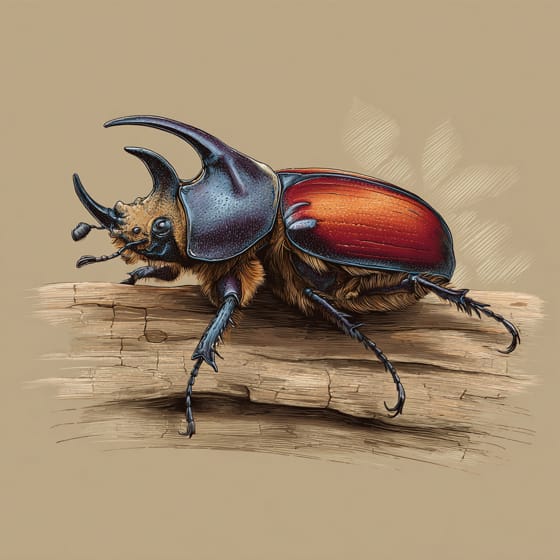
Oryctes rhinoceros
Larvae bore into palm trunks, feeding on internal tissues.
Homo sapiens
Cultivates date palms for their nutritious fruit and other products.
Shade tolerant plants are adapted to grow and thrive in areas with low light levels, requiring less direct sunlight.
Evergreen plants retain their foliage throughout the year, never shedding all their leaves at once.
A fruit tree is a perennial tree that produces fruit, which is edible to humans or animals.
This human use trait identifies species cultivated as oil crops, harvested for their seeds or fruits from which vegetable oils are extracted for food, fuel, or industrial uses.

Edible plants are those parts of a plant that are considered safe for human consumption.

Desert habitats are arid regions characterized by extremely low precipitation and often extreme temperatures, supporting specialized flora and fauna.
Danger
1/5 · Very low
Do not pick or eat anything you find. Some plants and mushrooms can be harmful.
15-30 m
6-10 m
Yes
30-60 cm
100-200 years
Deserts and warm places
Drupe
Medium
Zoom in to split clusters and explore where this object has been snapped.
Recent snaps will appear here as new observations are added.