


Aspen Bolete
Leccinum insigne
The Aspen Bolete is a tasty mushroom that grows near aspen trees. It has a thick stem and is fun to find on forest adventures!
Habitat: Aspen forests
The Aspen Bolete has a stout build, featuring a reddish-brown to orange-brown cap that feels velvety when young. Its cream-colored pores bruise brown, and the thick, white stem is covered in rough, dark scales, especially noticeable as it ages.
Category
FungiRarity
Common
Danger
1/5 · Very low
Snaps
Be the first to snap!
Cutting an Aspen Bolete makes its white flesh turn dark, like a magic trick!
Its bumpy stem looks like it's covered in tiny dark sprinkles!
Some say it smells fruity, while others detect an earthy scent.
This mushroom helps aspen trees get water and food from the soil.
Aspen Bolete can grow huge because its underground network shares nutrients with aspen trees, helping both thrive.
Aspen Bolete has flesh that changes color when cut, quickly shifting from white to pinkish-gray then black, which can surprise observers.
Aspen Bolete can help aspen trees because it extends their root systems, making it easier for them to absorb water.
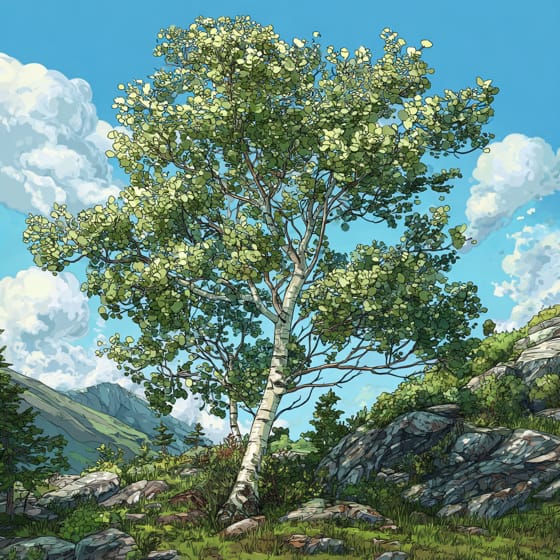
Populus tremuloides
forms a crucial mycorrhizal partnership
Arion ater
slugs sometimes graze on its caps and stems

Odocoileus virginianus
deer may forage for this mushroom
Deciduous plants periodically shed all their leaves, typically during autumn or dry seasons.
Spore-producing organisms reproduce by releasing small, often single-celled, reproductive units called spores.
Edible plants are those parts of a plant that are considered safe for human consumption.
Forest habitats are terrestrial environments dominated by dense tree cover, supporting a high diversity of plant and animal life.
Danger
1/5 · Very low
Do not pick or eat anything you find. Some plants and mushrooms can be harmful.
8-20 cm
edible
8-20 cm
Aspen forests
soil
Summer to fall
Olive-brown
Zoom in to split clusters and explore where this object has been snapped.
Recent snaps will appear here as new observations are added.