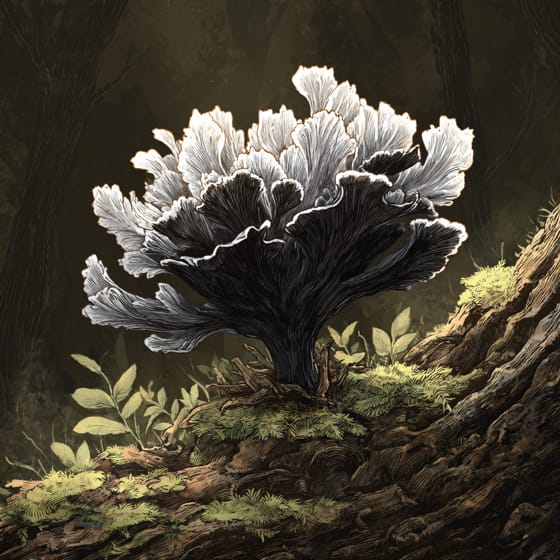





Candlesnuff Fungus
Xylaria
Candlesnuff Fungus looks like tiny white candles sticking up from the ground! It's a fun sight to see in the woods.
Habitat: Decaying wood
The Candlesnuff Fungus is a striking club-shaped or antler-like fungus, typically black at the base with distinctive white, powdery tips. These tips give it the appearance of snuffed-out candles, making it easy to identify on dead wood.
Category
FungiRarity
Common
Danger
1/5 · Very low
Snaps
Be the first to snap!
It got its name because its white tips resemble the burnt wicks of extinguished candles.
Its unique white tips are actually tiny spores ready to drift away in the wind!
Look for it on old tree stumps and fallen branches, especially in damp forests.
The fungus often grows in clumps, making it look like a collection of mini stag horns.
Candlesnuff Fungus can break down tough dead wood because it produces powerful enzymes that help return nutrients to the forest.
Candlesnuff Fungus has fuzzy white tips that release tiny, visible spores, helping them easily spread to new pieces of dead wood.
Candlesnuff Fungus has perennial fruiting bodies that can survive through winter, allowing it to grow and release spores over a long period.
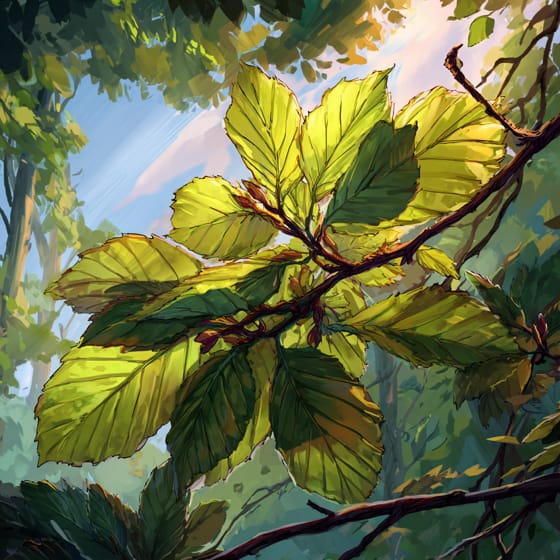
Fagus sylvatica
Decomposes dead wood of this tree species.
Quercus robur
Feeds on decaying logs and stumps of oak.
Populus tremula
Helps break down dead aspen wood.
Deciduous plants periodically shed all their leaves, typically during autumn or dry seasons.
Fragrant flowers emit a pleasant aroma, often to attract pollinators or for defense.
Spore-producing organisms reproduce by releasing small, often single-celled, reproductive units called spores.
Forest habitats are terrestrial environments dominated by dense tree cover, supporting a high diversity of plant and animal life.
Danger
1/5 · Very low
Do not pick or eat anything you find. Some plants and mushrooms can be harmful.
The easiest way to identify Candlesnuff Fungus is to use the Snappit nature identifier app.
2-6 cm
inedible
Decaying wood
wood
Year-round
Black
Zoom in to split clusters and explore where this object has been snapped.
Recent snaps will appear here as new observations are added.
Take the discovery with you
Snap it with Snappit to identify it, learn what makes it special, and add the discovery to your collection.