Common Vole
Microtus arvalis
The Common Vole is a small, furry animal that loves to live in grassy fields and meadows. They are great at digging tunnels and can be found scurrying around looking for food.
Habitat: Grasslands
The Common Vole is a small, stocky rodent with brownish-grey fur on its back and lighter grey underneath. It has a blunt snout, small eyes, and short ears that are often hidden within its dense fur, making it look different from a long-eared mouse.
Category
MammalsRarity
Common
Danger
1/5 · Very low
Snaps
1
A single female Common Vole can have up to 5 litters in one year!
Common Voles create 'vole runways' by eating paths through dense grass!
Even in winter, they stay active under the snow in cozy tunnels!
Their underground tunnels can be longer than two school buses combined!
Common Voles can dig intricate tunnel systems because of their strong claws, which helps them create safe homes.
Common Voles have many babies quickly that helps their species survive, even with many predators around.
Common Voles can munch on tough grasses and roots because of their constantly growing teeth, which helps them find food.
Common Voles have excellent hearing despite their small ears, which helps them detect predators from far away.
A plant-eating expert, the Common Vole nibbles on fresh grass, seeds, and underground roots.

Tyto alba
main prey for many owl species
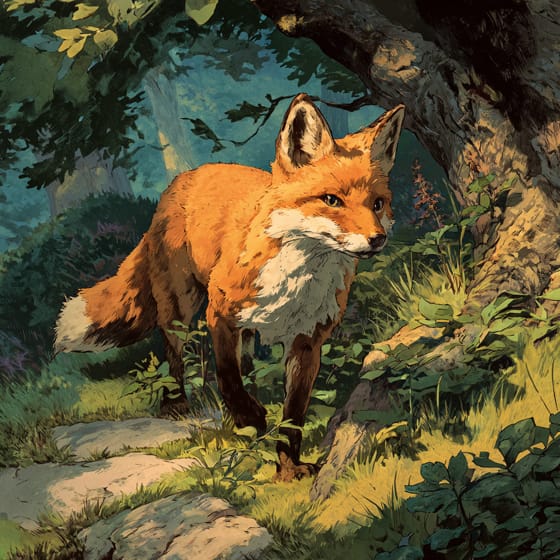
Vulpes vulpes
a significant food source for opportunistic foxes
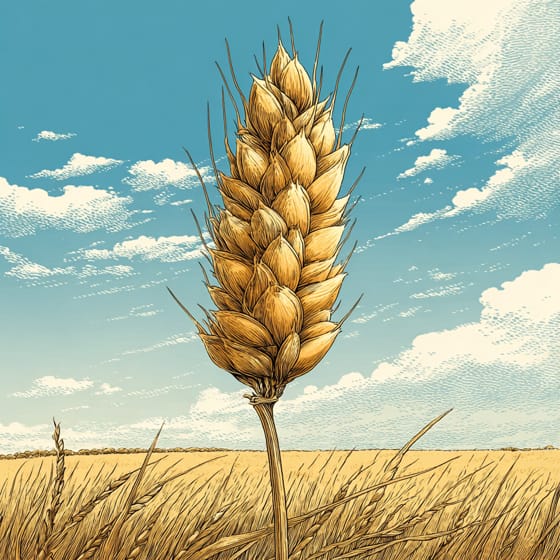
Triticum aestivum
consumes seeds and shoots of agricultural crops
Dactylis glomerata
major food source in its grassland habitat
Furry describes animals possessing a dense covering of soft hair or fur.
Social animals live in organized groups, cooperating for survival benefits such as foraging, defense, and raising offspring.
Burrowing animals dig tunnels and chambers in the ground, using these subterranean structures for shelter, hunting, or breeding.
Grassland habitats are terrestrial biomes dominated by grasses and herbaceous plants, supporting a variety of grazing animals.

This trait characterizes organisms whose diet consists entirely or primarily of plant material.

Describes a species whose presence and role have a disproportionately large effect on its environment.
No aliases listed yet.
Danger
1/5 · Very low
If you see a vole, watch quietly from a distance and do not try to touch it.
8-13 cm
0.018-0.05 kg
1-2 years
12 km/h
A plant-eating expert, the Common Vole nibbles on fresh grass, seeds, and underground roots.
Grasslands
Foraging
3-8
Zoom in to split clusters and explore where this object has been snapped.