





Turkish Angora
Felis catus
A Turkish Angora is a graceful cat with silky fur and a plumed tail. It is playful and intelligent.
Habitat: Homes with play areas; enjoys gentle grooming
The Turkish Angora is an elegant cat known for its medium-long, silky coat, often pure white, and a long, plumed tail. They possess a fine-boned body, almond-shaped eyes that can be blue, green, amber, or odd-colored, and large, tufted ears.
Category
MammalsRarity
Common
Danger
1/5 · Very low
Snaps
Be the first to snap!
Some Turkish Angoras are naturally deaf in one or both ears, especially those with blue eyes.
Their original home, Ankara, Turkey, has declared them a national treasure, even featuring them on postage stamps!
They are often called 'ballerinas' of the cat world due to their graceful movements and delicate appearance.
Unlike many long-haired cats, the Turkish Angora's single coat rarely mats, making grooming surprisingly easy!
Turkish Angora can jump and climb with incredible grace because of their powerful, agile bodies that help them navigate high places.
Turkish Angora can enjoy playing in water because of their dense, fine fur that repels water, helping them stay comfortable.
Turkish Angora has large, tufted ears that help them detect even the faintest sounds, making them excellent hunters.
These furry friends are carnivores, meaning they primarily eat meat to stay healthy and strong.
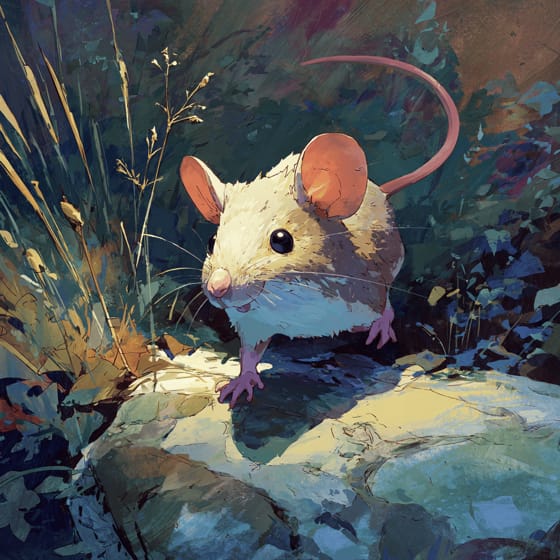
Mus musculus
A common prey species for domestic cats.
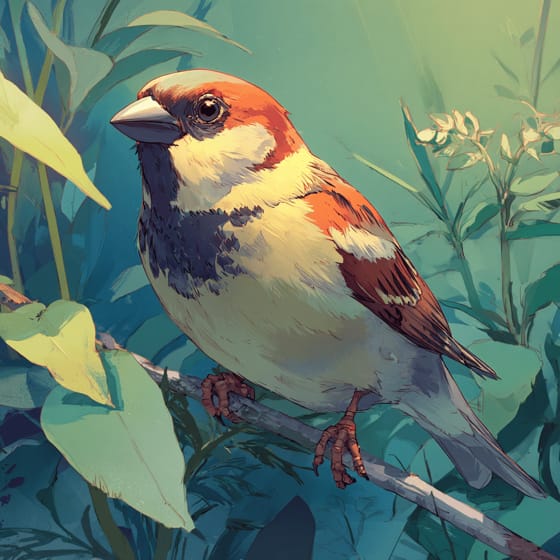
Passer domesticus
Frequently preyed upon by outdoor cats.
Ctenocephalides felis
This flea species lives on cats, feeding on their blood.
Wildlife encompasses all undomesticated animal and plant life existing in their natural habitats.
Furry describes animals possessing a dense covering of soft hair or fur.
Domesticated refers to species that have been selectively bred and tamed by humans for specific purposes.
This trait identifies organisms whose diet consists entirely or primarily of animal tissue.

This habitat trait indicates species that can coexist with humans in urban and suburban environments, utilizing man-made structures and green spaces.

Nocturnal animals are primarily active during the nighttime hours, typically resting or sleeping during the day.
No aliases listed yet.
Danger
1/5 · Very low
Brush gently and play in safe spaces.
The easiest way to identify Turkish Angora is to use the Snappit nature identifier app.
30-45 cm
2.5-5 kg
12-18 years
48 km/h
These furry friends are carnivores, meaning they primarily eat meat to stay healthy and strong.
Homes with play areas; enjoys gentle grooming
Ambush
Zoom in to split clusters and explore where this object has been snapped.
Recent snaps will appear here as new observations are added.
Take the discovery with you
Snap it with Snappit to identify it, learn what makes it special, and add the discovery to your collection.




.jpg&width=800)



.JPG&width=800)



.jpg&width=800)
