


Shaggy Parasol
Chlorophyllum molybdites
The Shaggy Parasol is a tall mushroom with a floppy cap that looks like an umbrella! It can be found in grassy areas and is fun to spot.
Habitat: Grassy fields
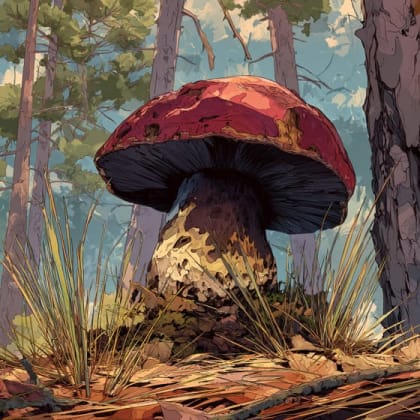
The Shaggy Parasol has a white to cream-colored cap covered in shaggy, brownish scales, often flattened when mature. Its free gills are initially white but notoriously turn a distinct greenish color as spores develop, differentiating it from edible look-alikes. It also features a pale stalk with a prominent, movable ring.
Category
FungiRarity
Common
Danger
1/5 · Very low
Snaps
1
Despite its "parasol" name, it's not a true parasol and is very poisonous!
It causes more mushroom poisonings in North America than any other fungus!
Its gills change from white to a weird, tell-tale green color as it matures!
This common lawn mushroom is one of the most frequently misidentified fungi!
Shaggy Parasol can release millions of greenish spores, helping it spread widely and colonize new ground.
Shaggy Parasol produces potent toxins that cause severe illness, protecting itself from most animals.
Shaggy Parasol thrives in disturbed areas like lawns, allowing it to grow where other fungi struggle.
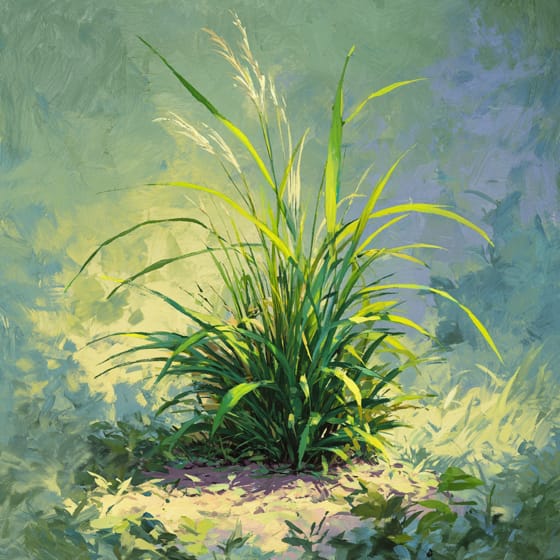
Poa pratensis
decomposes dead blades and roots
Lolium perenne
feeds on fallen organic material
Arion vulgaris
some slugs can tolerate its toxins
Deciduous plants periodically shed all their leaves, typically during autumn or dry seasons.
Spore-producing organisms reproduce by releasing small, often single-celled, reproductive units called spores.
Grassland habitats are terrestrial biomes dominated by grasses and herbaceous plants, supporting a variety of grazing animals.
Danger
1/5 · Very low
Do not pick or eat anything you find. Some plants and mushrooms can be harmful.
10-25 cm
poisonous
8-30 cm
Grassy fields
soil
Summer to early Fall
Greenish-olive
Zoom in to split clusters and explore where this object has been snapped.