Japanese Spirea
Spiraea japonica
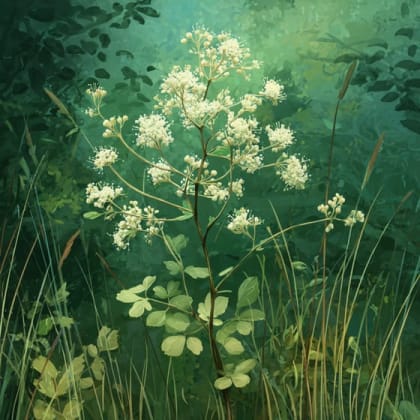
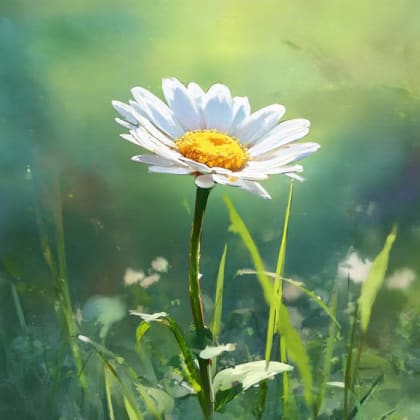
Japanese Spirea is a lovely shrub with bright pink flowers that bloom in the summer. It has green leaves that turn beautiful colors in the fall, making it a great addition to gardens.
Habitat: Urban areas
The Japanese Spirea is a mounding deciduous shrub with small, oval, green leaves. It produces flattened clusters of tiny pink or white flowers from late spring to summer, giving it a vibrant, compact appearance. Its dense form makes it visually distinct.
Category
PlantsRarity
Common
Danger
1/5 · Very low
Snaps
Be the first to snap!
Gardeners often 'deadhead' spent blooms, encouraging even more flowers to appear later!
Its name, Spiraea, means 'wreath' in Greek, perhaps for its lovely flower clusters!
Many different types exist, with flowers ranging from bright pink to pure white.
The small, light seeds can travel on the wind, helping new plants grow far away!
Japanese Spirea can grow rapidly, establishing itself quickly in new areas to compete for sunlight.
This plant has a high tolerance for full sun, allowing it to thrive where other plants might struggle.
Some varieties can rebloom after pruning, extending their beautiful flowering season for longer.
Japanese Spirea can withstand periods of drought once established, helping it survive dry spells.
Apis mellifera
Bees collect nectar and pollen from its blooms.
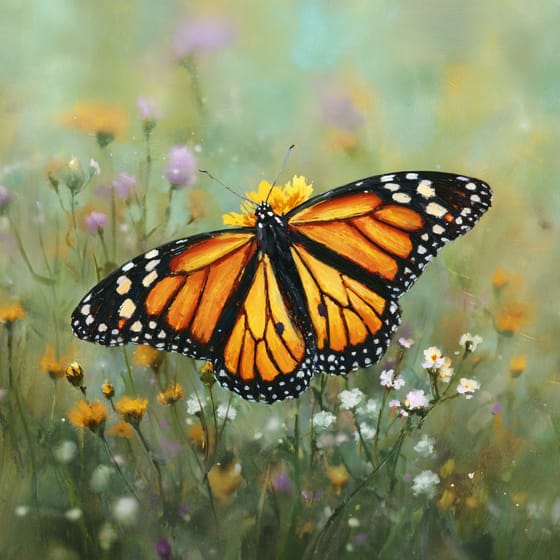
Danaus plexippus
Butterflies are attracted to the nectar-rich flowers.

Odocoileus virginianus
Deer may browse on its leaves and young stems.
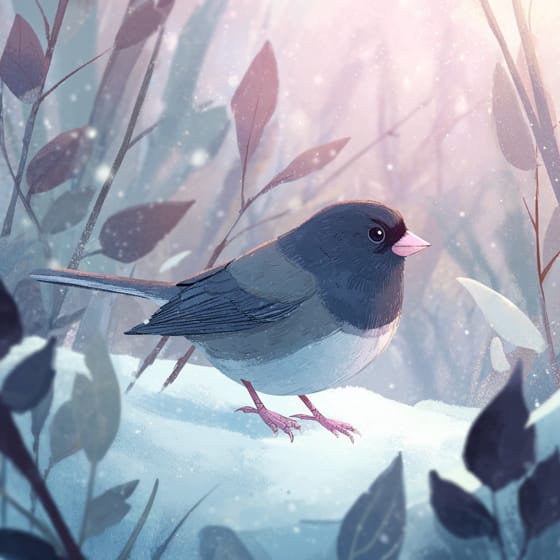
Junco hyemalis
Small birds seek shelter in its dense branches.
Deciduous plants periodically shed all their leaves, typically during autumn or dry seasons.
Flowering plants are any plants that produce flowers as part of their reproductive cycle.
A shrub is a woody plant smaller than a tree, typically with multiple stems branching from or near the ground.
Summer blooming plants produce their flowers during the summer season, often providing vibrant color when many other plants have finished.

Colorful describes organisms or objects displaying a wide range of bright and distinct colors.

Fall color refers to the seasonal change in foliage pigmentation, primarily in deciduous plants, displaying vibrant hues.

Describes plants that are particularly attractive and beneficial to a wide range of pollinating organisms.

This habitat trait indicates species that can coexist with humans in urban and suburban environments, utilizing man-made structures and green spaces.
Danger
1/5 · Very low
Always be gentle around plants and don't eat any parts without asking an adult.
60-180 cm
60-180 cm
0.4-0.6 cm
Late spring to mid-summer
No
None
Perennial
Insect
Zoom in to split clusters and explore where this object has been snapped.
Recent snaps will appear here as new observations are added.