





Gaillardia
Gaillardia pulchella
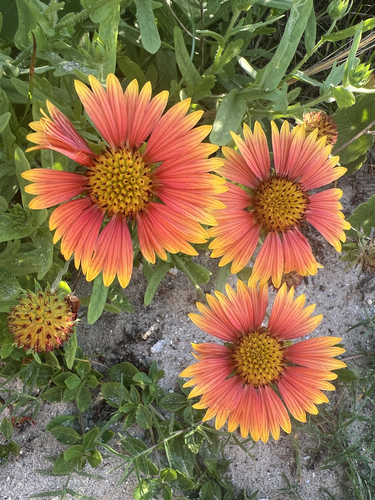
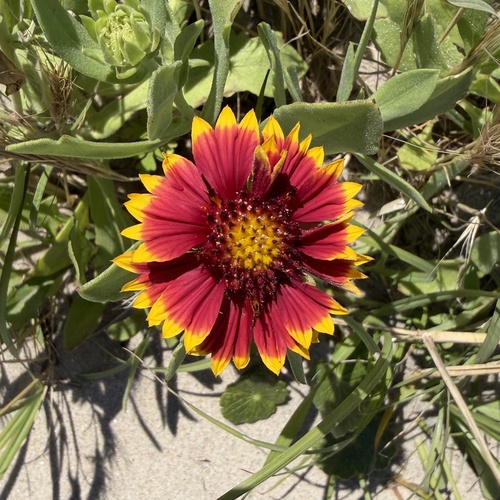
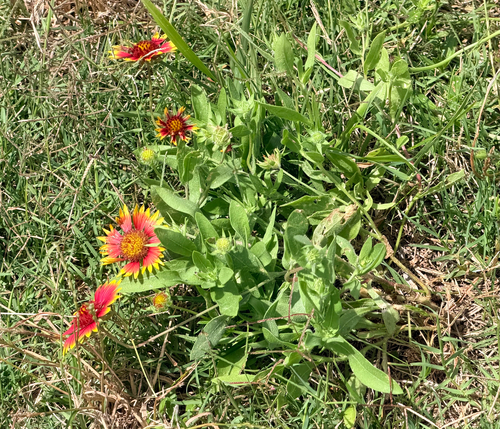
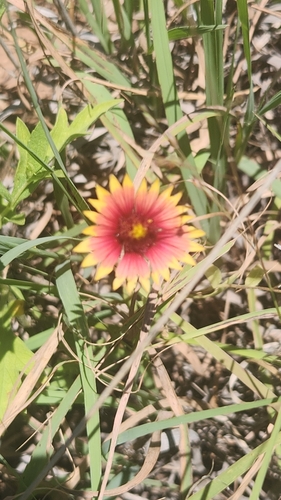
Gaillardia, or blanket flower, has bright red and yellow petals that look like flames! They are very cheerful and attract butterflies.
Habitat: Open fields and gardens
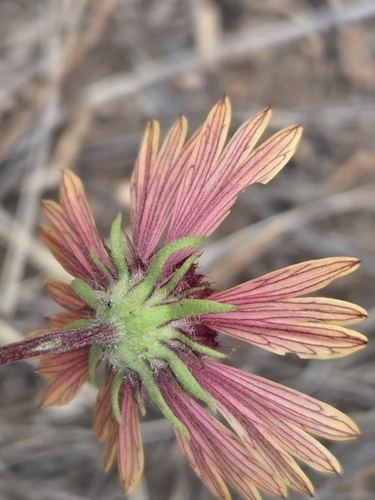
The Gaillardia has vibrant, daisy-like flowers with petals often ringed in fiery reds, oranges, and yellows, sometimes tipped with contrasting colors. Its striking appearance makes it easily recognizable in any garden or field.
Category
PlantsRarity
Common
Danger
1/5 · Very low
Snaps
74
Despite its delicate look, Gaillardia is super tough, even shrugging off nibbling deer!
Gaillardia seeds are so tough, they can sprout in bare, sandy soil where other plants struggle.
Its common name, Blanket Flower, comes from its resemblance to colorful Native American blankets!
You can find Gaillardia growing wild all the way from Canada down to central Mexico!
Gaillardia can thrive in intense sunshine and dry conditions, thanks to its tough leaves and roots that conserve water.
Gaillardia has bright, nectar-rich flowers that attract many bees and butterflies, helping them gather food while spreading pollen.
Gaillardia can produce new flowers continuously from late spring into fall, ensuring a long season of colorful displays and seeds.
Apis mellifera
Gathers nectar and pollen
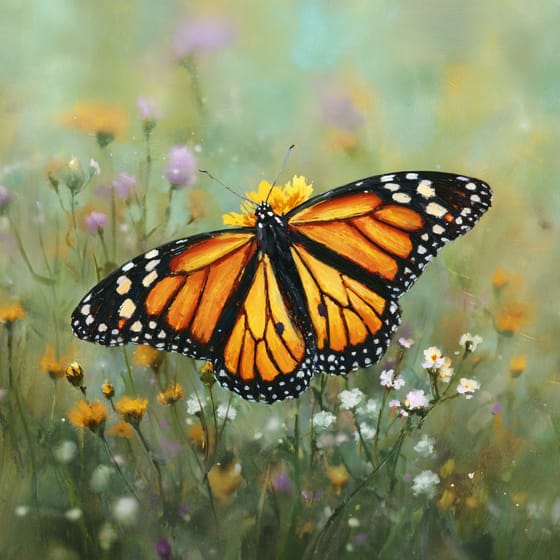
Danaus plexippus
Visits flowers for nectar
Bombus impatiens
Collects pollen and nectar
Flowering plants are any plants that produce flowers as part of their reproductive cycle.
Ornamental plants are cultivated primarily for their aesthetic appeal, enhancing landscapes and gardens with their attractive foliage, flowers, or form.
Summer blooming plants produce their flowers during the summer season, often providing vibrant color when many other plants have finished.
Everblooming plants produce flowers continuously or in repeated flushes over a long period.

Drought-tolerant plants can survive and flourish in conditions with limited water availability.

Grassland habitats are terrestrial biomes dominated by grasses and herbaceous plants, supporting a variety of grazing animals.

Describes organisms that transfer pollen, enabling the fertilization and reproduction of plants.
Danger
1/5 · Very low
Explore with care and ask an adult if you’re unsure what to do.
The easiest way to identify Gaillardia is to use the Snappit nature identifier app.
30-60 cm
30-45 cm
5-10 cm
Late spring to fall
No
None
Perennial
Zoom in to split clusters and explore where this object has been snapped.
Jun 6, 2026
Pawleys Island Historic DistrictPhoto attribution
no rights reserved
License: CC0 1.0 ↗
Image may be shown cropped inside the card frame.
Jun 3, 2026
Bodie Island Lifesaving and Coast Guard StationPhoto attribution
(c) Conway Hawn, some rights reserved (CC BY)
License: CC BY 4.0 ↗
Image may be shown cropped inside the card frame.
Jun 2, 2026
Bandelier CCC Historic DistrictPhoto attribution
no rights reserved
License: CC0 1.0 ↗
Image may be shown cropped inside the card frame.
May 31, 2026
Cameron Park ZooPhoto attribution
(c) Sue Ann Kendall, some rights reserved (CC BY)
License: CC BY 4.0 ↗
Image may be shown cropped inside the card frame.

Illinois, US
You might spot Brown-Belted Bumble Bee and Eastern Gray Squirrel.
View guide →

US
You might spot Firewheel, Domestic Horse, and Atlantic Horseshoe Crab.
View guide →

Oklahoma, US
You might spot Hoary Vervain, Buffalo Gourd, and Pond Slider.
View guide →

Texas, US
You might spot Grooved Nipple Cactus and Blanchard's Cricket Frog.
View guide →

Tennessee, US
You might spot American Robin and Eastern Gray Squirrel.
View guide →

Oklahoma, US
You might spot Lace Hedgehog Cactus and Star Cloak Fern.
View guide →
Take the discovery with you
Snap it with Snappit to identify it, learn what makes it special, and add the discovery to your collection.








.jpg&width=800)



_001.jpg&width=800)




