
Squid
Loligo
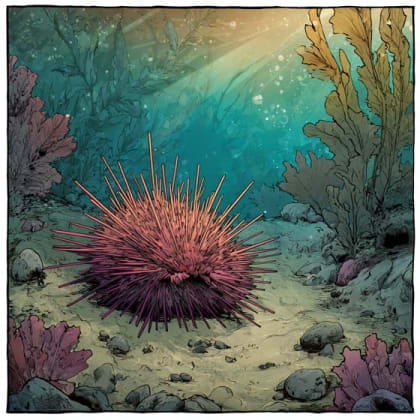
Squids are fascinating sea creatures with long tentacles and a soft body. They can change color to hide from predators and communicate with each other using special patterns.
Habitat: Marine
The Squid has a streamlined, torpedo-shaped body, typically white, brown, or reddish, covered in tiny pigment cells. It features large, prominent eyes and eight arms plus two longer feeding tentacles, all lined with suckers.
Category
InvertebrateRarity
Common
Danger
2/5 · Low
Snaps
Be the first to snap!
Colossal squid eyes are basketball-sized – the biggest in the entire animal kingdom!
Deep-sea squids can glow in the dark, using light to hunt or hide!
Squid blood is blue! It uses copper, not iron, to carry oxygen.
Squids have three hearts: two for gills, one for the body! That's powerful!
Squid can change its skin color and texture instantly because it helps them blend perfectly with their surroundings to hide.
Squid can squirt a cloud of dark ink because it helps them confuse predators and quickly escape from danger.
Squid can propel itself rapidly by squirting water from its siphon because it helps them flee from danger or chase prey.
Squids are fierce ocean hunters, gobbling up fish, crustaceans, and other squids!
Age differences: null
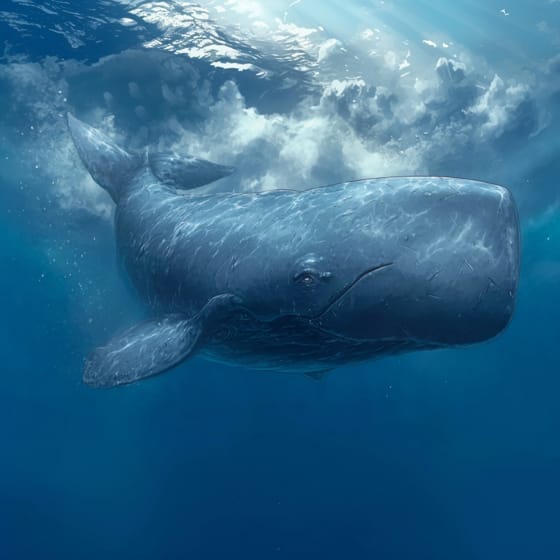
Physeter macrocephalus
Squid are a primary food source for these deep-diving whales.
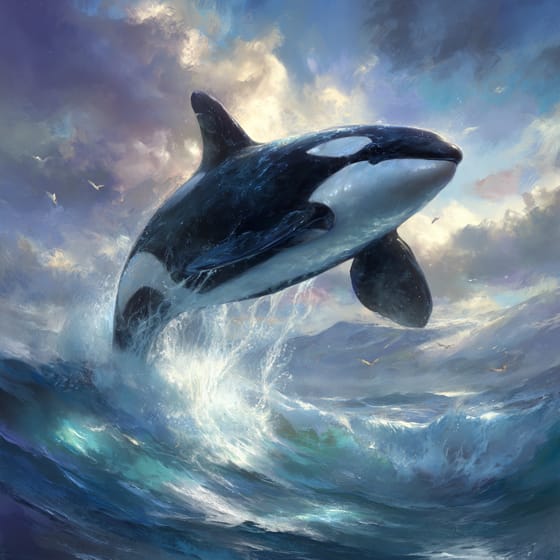
Orcinus orca
Orcas hunt and eat various squid species in ocean waters.
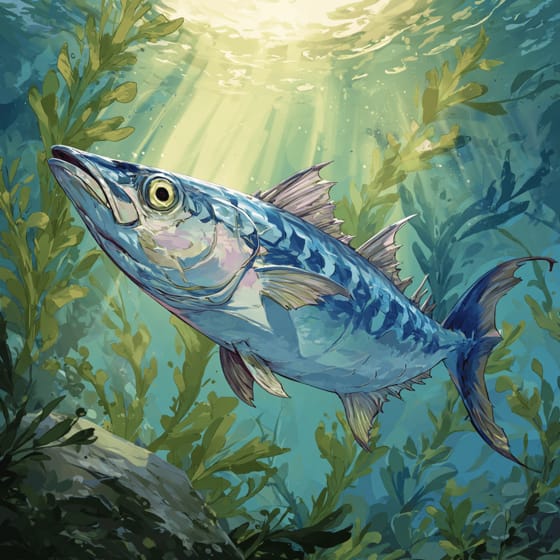
Scomber scombrus
Many squid species actively hunt and consume smaller fish like mackerel.
Penaeus monodon
Squid prey on various crustaceans, including different types of shrimp.
Wildlife encompasses all undomesticated animal and plant life existing in their natural habitats.
Camouflaged describes organisms that possess coloring or patterns that allow them to blend into their environment.
This trait identifies organisms whose diet consists entirely or primarily of animal tissue.
Regenerative organisms possess the ability to regrow lost or damaged body parts, tissues, or organs.

Marine habitats encompass all saltwater environments of the Earth's oceans, supporting an immense diversity of aquatic life.

Nocturnal animals are primarily active during the nighttime hours, typically resting or sleeping during the day.

Venomous organisms produce toxins that are injected into another animal, typically through a bite or sting.
Danger
2/5 · Low
If you ever see a squid in the ocean, admire it from a safe distance and avoid touching it.
30 cm
0.5 kg
Squids are fierce ocean hunters, gobbling up fish, crustaceans, and other squids!
Marine
Pursuit
2
8
Zoom in to split clusters and explore where this object has been snapped.
Recent snaps will appear here as new observations are added.