

Lesser Kudu
Tragelaphus imberbis
The Lesser Kudu is a shy antelope with beautiful spiral horns. They are excellent jumpers and can leap high to escape from predators.
Habitat: Forests
The Lesser Kudu is a slender, reddish-brown antelope with 11-14 narrow white vertical stripes along its body. Males have stunning spiraling horns, while females have none, and both have large, rounded ears with a distinctive white chevron between their eyes.
Category
MammalsRarity
Rare
Danger
2/5 · Low
Snaps
Be the first to snap!
Their dazzling spiral horns can grow over two feet long, making them quite majestic!
Their super long, rounded ears can swivel to pinpoint tiny sounds!
These shy antelopes can freeze perfectly still to hide from danger!
They get almost all the water they need just by eating leaves!
Lesser Kudu has a coat with white stripes that helps them blend perfectly into dense bushes and dappled sunlight.
Lesser Kudu can leap and twist quickly because of their muscular legs, helping them escape predators in thick vegetation.
Lesser Kudu has large, swiveling ears that helps them detect even the quietest rustles of approaching danger.
Lesser Kudu can survive without drinking water because they get enough moisture from the plants they eat.
They are plant-eaters that enjoy leaves, shoots, and fruits from bushes and trees.
Panthera leo
Lions hunt adult and young Lesser Kudu.
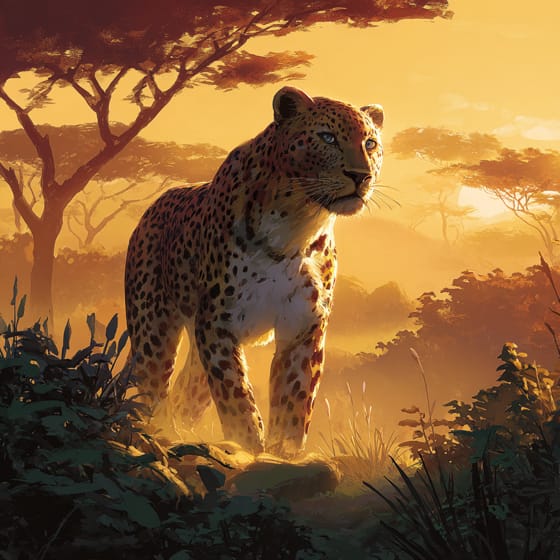
Panthera pardus
Leopards are primary predators of Lesser Kudu.
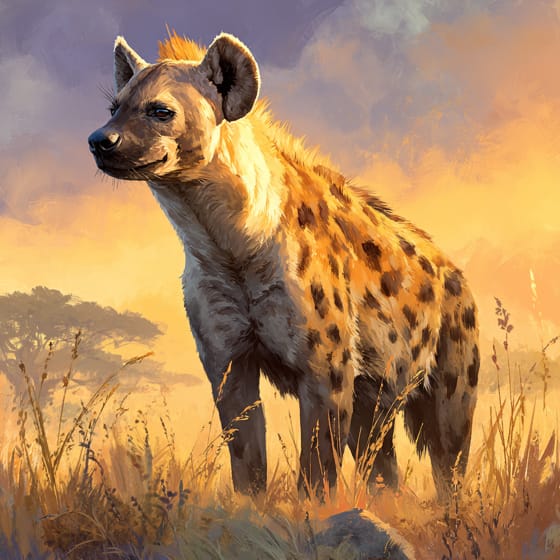
Crocuta crocuta
Hyenas often target young or weakened Lesser Kudu.
Acacia tortilis
Kudu browse on leaves and shoots of acacia trees.
Wildlife encompasses all undomesticated animal and plant life existing in their natural habitats.
Furry describes animals possessing a dense covering of soft hair or fur.
Characterized by having one or more hard, permanent, pointed projections on the head.
Camouflaged describes organisms that possess coloring or patterns that allow them to blend into their environment.

This trait characterizes organisms whose diet consists entirely or primarily of plant material.

This trait signifies organisms belonging to a very old evolutionary group with ancestors dating back millions of years.

Forest habitats are terrestrial environments dominated by dense tree cover, supporting a high diversity of plant and animal life.

Nocturnal animals are primarily active during the nighttime hours, typically resting or sleeping during the day.
No aliases listed yet.
Danger
2/5 · Low
Admire these animals from a safe distance and never try to approach them.
110-140 cm
50-108 kg
10-15 years
70 km/h
They are plant-eaters that enjoy leaves, shoots, and fruits from bushes and trees.
Forests
Foraging
1
Zoom in to split clusters and explore where this object has been snapped.
Recent snaps will appear here as new observations are added.