





North American River Otter
Lontra canadensis
River otters are playful mammals that live near water. They are excellent swimmers and catch fish for food.
Habitat: Rivers, lakes, and wetlands.
The North American River Otter has a sleek, streamlined body covered in dense, dark brown fur, which is lighter on its belly. It features a long, muscular, tapering tail and short legs with webbed feet, making it distinct from bulkier beavers.
Category
MammalsRarity
Common
Danger
3/5 · Moderate
Snaps
63
A group of otters is playfully known as a "romp," "raft," or even a "bevy"!
North American River Otters can completely close their nostrils and ears when they dive underwater!
Otter dens, often abandoned beaver lodges, are called "holts" where they raise their pups!
Their unique musky scent markings, called "spraint," can surprisingly smell like violets!
North American River Otters can expertly catch slippery fish with their strong paws and sharp claws because they are adapted for aquatic hunting.
North American River Otters can quickly dart and weave through underwater obstacles because of their flexible spine and powerful tail.
These playful hunters feast on slippery fish, tasty crustaceans, and sometimes even small frogs!
Age differences: Young pups start with milk, then learn to hunt fish and other small aquatic prey.
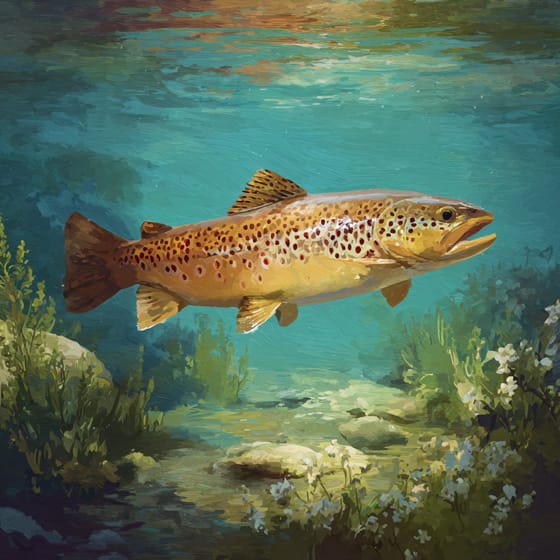
Salmo trutta
Otters are skilled at catching these swift fish.
Procambarus clarkii
An important food source, especially in some habitats.
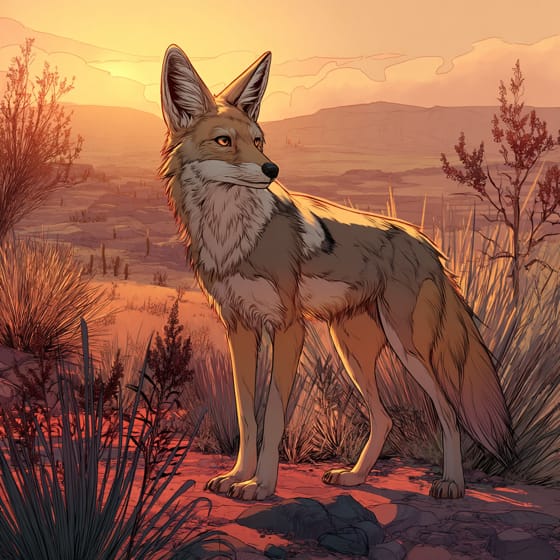
Canis latrans
Opportunistic predator, especially young or vulnerable otters.

Haliaeetus leucocephalus
May prey on pups or sick otters near the water.
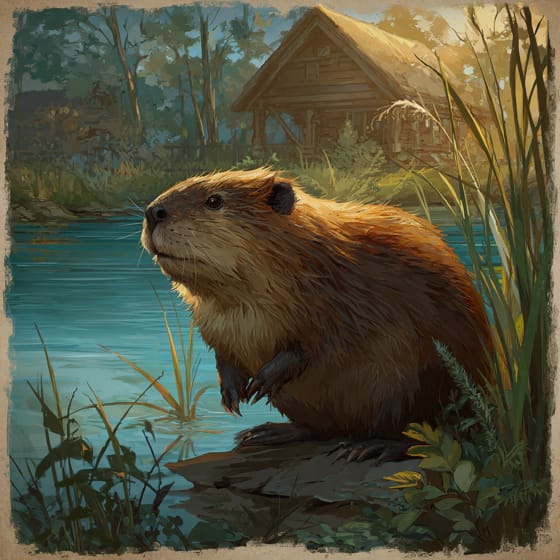
Castor canadensis
Otters often use abandoned beaver lodges as dens.
Wildlife encompasses all undomesticated animal and plant life existing in their natural habitats.
Furry describes animals possessing a dense covering of soft hair or fur.
Possessing prominent sensory hairs or vibrissae, often around the snout.
Piscivorous organisms are animals that primarily subsist on a diet of fish.

Freshwater habitats include non-saline aquatic environments such as rivers, lakes, ponds, and wetlands, vital for numerous species.

Aquatic habitats encompass environments where organisms live predominantly in water, including oceans, rivers, lakes, and wetlands.

Nocturnal animals are primarily active during the nighttime hours, typically resting or sleeping during the day.
Danger
3/5 · Moderate
Otters can bite if cornered — watch from a distance.
The easiest way to identify North American River Otter is to use the Snappit nature identifier app.
66-130 cm
5-14 kg
8-9 years
29 km/h
These playful hunters feast on slippery fish, tasty crustaceans, and sometimes even small frogs!
Rivers, lakes, and wetlands.
Pursuit
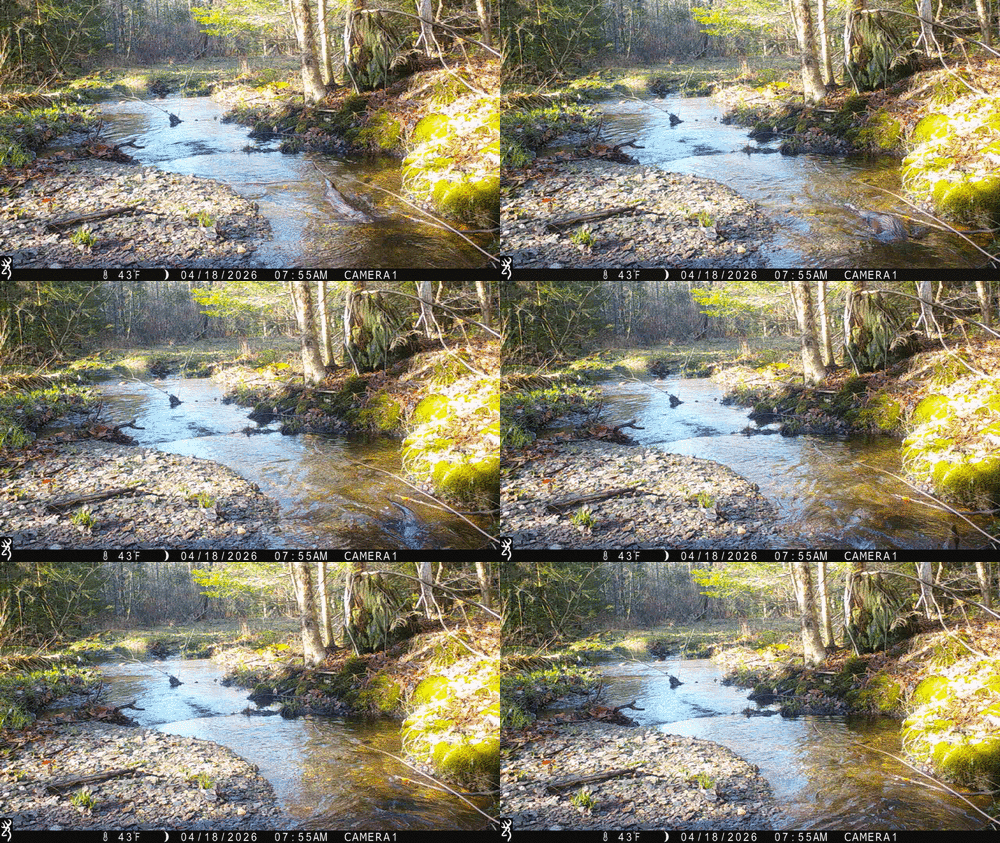
Zoom in to split clusters and explore where this object has been snapped.
Apr 18, 2026
South Windham Village Historic DistrictPhoto attribution
no rights reserved
License: CC0 1.0 ↗
Image may be shown cropped inside the card frame.
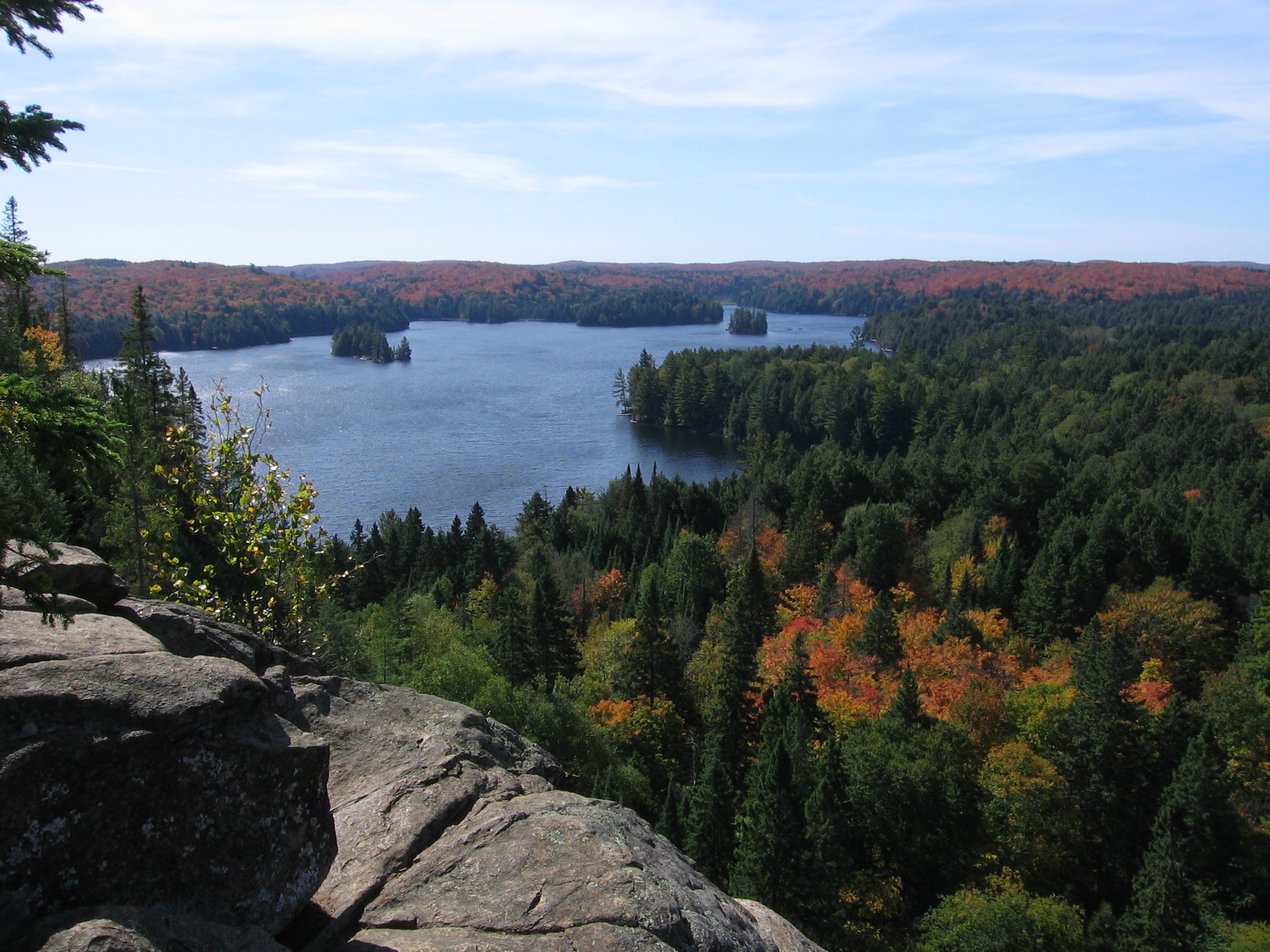
Ontario, CA
You might spot Canada Jay, American Beaver, and Black-Capped Chickadee.
View guide →

Michigan, US
You might spot Yellow Lady's Slipper and Ring-Billed Gull.
View guide →

Rhode Island, US
You might spot White-Tailed Deer, Great Egret, and Duck.
View guide →

Rhode Island, US
You might spot White-Tailed Deer and Common Eastern Bumble Bee.
View guide →
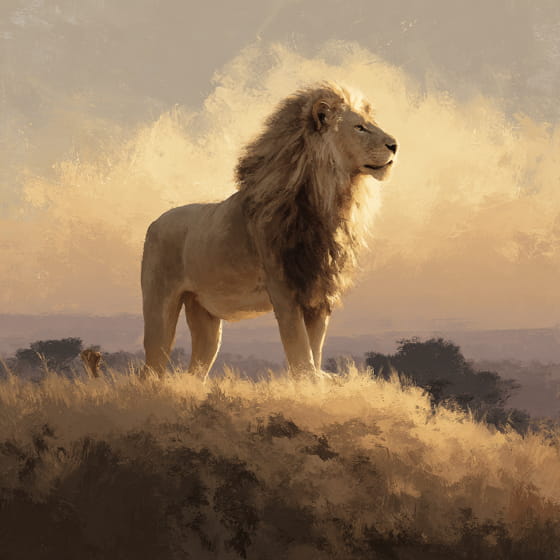
Ohio, US
You might spot African Lion, Tiger, and Snow Leopard.
View guide →

Alaska, US
You might spot Polar Bear, Brown Bear, and Tiger.
View guide →
Take the discovery with you
Snap it with Snappit to identify it, learn what makes it special, and add the discovery to your collection.





.jpg&width=800)



.JPG&width=800)



.jpg&width=800)
