






Smallmouth Bass
Micropterus dolomieu
The Smallmouth Bass is a fun fish that loves to swim in clear lakes and rivers. It has a small mouth and is known for being a great fighter when caught!
Habitat: Lakes and rivers
The Smallmouth Bass has a bronzy-brown to olive-green body with darker vertical bars that sometimes break into spots. Its distinguishing feature is its large mouth, with the upper jaw extending only to the middle of its eye.
Category
FishRarity
Common
Danger
2/5 · Low
Snaps
Be the first to snap!
Male bass build and guard the nest, a true underwater dad!
Smallmouth Bass are sometimes called "bronze-backs" for their shimmering color.
They are famous for their exciting fighting spirit when caught by anglers!
They prefer clear, cool water with rocky bottoms and swift currents.
Smallmouth Bass can change color slightly to match rocky riverbeds, which helps them blend in and ambush prey or avoid predators.
Smallmouth Bass has excellent eyesight that helps them spot tiny insects and darting minnows even in low light or clear water.
Smallmouth Bass can fiercely guard their nests and newly hatched young, protecting them from hungry invaders.
These hungry hunters eat many small creatures, like insects, crayfish, and minnows!
Age differences: Young bass eat mostly tiny insects; adults eat larger prey like fish and crayfish.
Procambarus clarkii
A top food choice for hungry adult bass.
Pimephales promelas
An important food source for both young and adult bass.
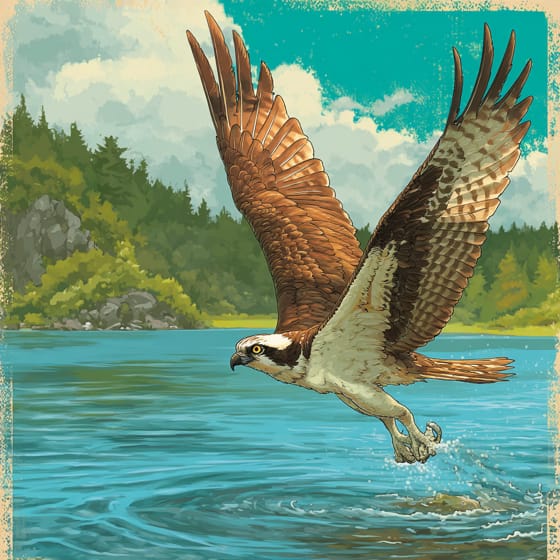
Pandion haliaetus
Large birds of prey often snatch bass from the water.
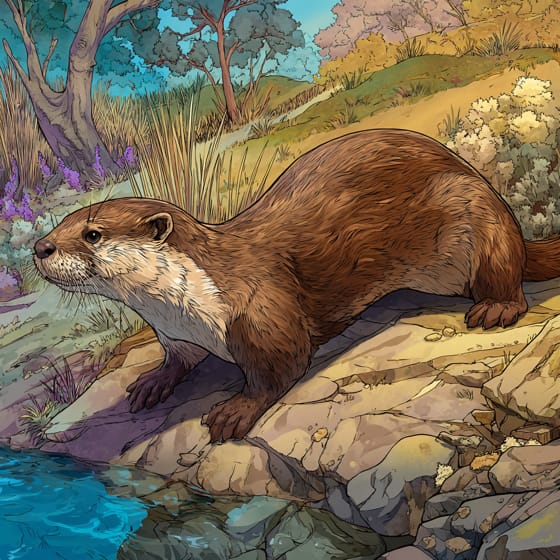
Lontra canadensis
Clever mammals that hunt fish in rivers and lakes.
Wildlife encompasses all undomesticated animal and plant life existing in their natural habitats.
Solitary animals live alone for most of their lives, only interacting with others for mating or parental care.
Piscivorous organisms are animals that primarily subsist on a diet of fish.
An ambush predator hunts by patiently waiting and concealing itself, then launching a sudden attack when unsuspecting prey comes within range.

Freshwater habitats include non-saline aquatic environments such as rivers, lakes, ponds, and wetlands, vital for numerous species.

Aquatic habitats encompass environments where organisms live predominantly in water, including oceans, rivers, lakes, and wetlands.
Danger
2/5 · Low
Watch quietly from a distance and never try to feed or chase wild animals.
25-60 cm
0.5-5.5 kg
6-12 years
These hungry hunters eat many small creatures, like insects, crayfish, and minnows!
20 km/h
Lakes and rivers
Pursuit
15 m
Zoom in to split clusters and explore where this object has been snapped.
Recent snaps will appear here as new observations are added.
















