Caiman Lizard
Dracaena guianensis
The Caiman Lizard has a unique look with its bright green scales and long tail. They are great swimmers and love the water!
Habitat: Swamps and rivers
The Caiman Lizard has bright emerald green scales, a striking orange or reddish head and neck, and a powerful, flattened tail. Its rough, keeled scales make it look like a baby caiman, distinguishing it from other lizards.
Category
ReptilesRarity
Rare
Danger
2/5 · Low
Snaps
Be the first to snap!
Caiman Lizards are one of the only lizards that specifically hunt and eat snails!
Their rough skin feels bumpy, just like a real caiman or crocodile!
These amazing lizards use their long, powerful tail like a rudder to steer through the water!
They spend most of their days in the water or basking on branches right above it!
Caiman Lizards can crack tough snail shells because of their incredibly strong jaws and specialized teeth that help them munch on their favorite food.
Caiman Lizards can explore underwater for a long time by closing their nostrils and ears, which helps them hunt prey without distractions.
Caiman Lizards have vibrant green scales that help them blend perfectly with the leafy branches and plants in their tropical rainforest habitat.
These lizards primarily munch on snails and other tasty creatures found in their watery homes.
Pomacea maculata
Their primary food source, cracked with powerful jaws.
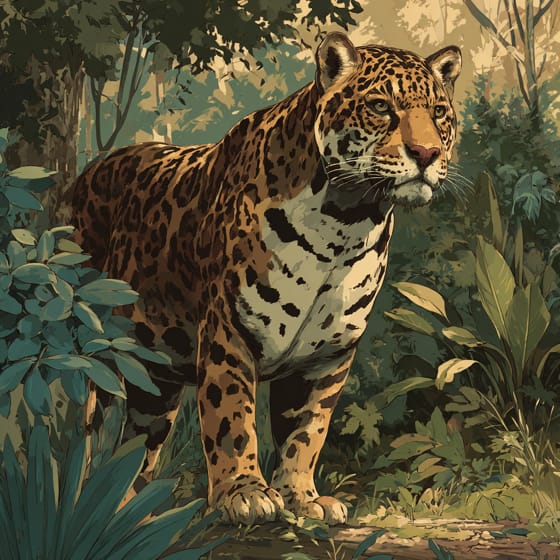
Panthera onca
Large predators may hunt adult Caiman Lizards near water.
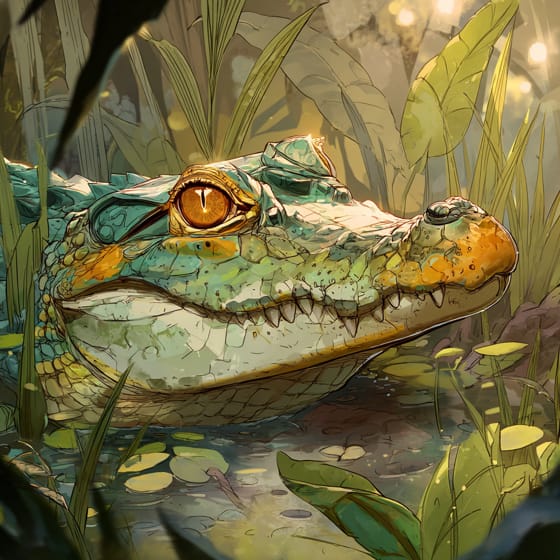
Caiman crocodilus
Young Caiman Lizards can be prey for larger caimans.
Boa constrictor
Snakes in their habitat may ambush these lizards.
Wildlife encompasses all undomesticated animal and plant life existing in their natural habitats.
Camouflaged describes organisms that possess coloring or patterns that allow them to blend into their environment.
Piscivorous organisms are animals that primarily subsist on a diet of fish.
Freshwater habitats include non-saline aquatic environments such as rivers, lakes, ponds, and wetlands, vital for numerous species.

Aquatic habitats encompass environments where organisms live predominantly in water, including oceans, rivers, lakes, and wetlands.

Nocturnal animals are primarily active during the nighttime hours, typically resting or sleeping during the day.
Danger
2/5 · Low
Look but don’t touch. Keep a safe distance and wash hands after exploring.
50-120 cm
1.5-4.5 kg
8-12 years
10 km/h
These lizards primarily munch on snails and other tasty creatures found in their watery homes.
8 km/h
Swamps and rivers
Foraging
Zoom in to split clusters and explore where this object has been snapped.
Recent snaps will appear here as new observations are added.