Leopard Gecko
Eublepharis macularius
The Leopard Gecko is a friendly lizard with beautiful spots! It's a popular pet because of its sweet nature.
Habitat: Deserts and rocky areas
The Leopard Gecko has a stocky body, often yellowish to tan with distinctive black spots and stripes resembling a leopard's pattern. Its large, movable eyelids and thick, segmented tail make it visually unique among many geckos.
Category
ReptilesRarity
Common
Danger
2/5 · Low
Snaps
Be the first to snap!
Baby leopard geckos wear stripes, but grow into the spotted patterns of adults!
Leopard Geckos have tiny ear holes on their heads that let them hear sounds very well!
They 'taste' the air with their tongues to find out what's nearby, like a snake!
Unlike most geckos, they blink their eyes to keep them clean and moist!
Leopard Gecko can drop and regrow its tail to escape predators, confusing them while it slips away safely.
Leopard Gecko has excellent night vision to hunt insects in the dark, using its keen eyes to spot prey.
Leopard Gecko stores fat in its thick tail, providing essential energy and water reserves during tough times.
Leopard Gecko has movable eyelids, allowing it to blink and keep its eyes clean, a rare trait among geckos.
Tiny hunters, Leopard Geckos munch on many different insects, catching them with a quick pounce!
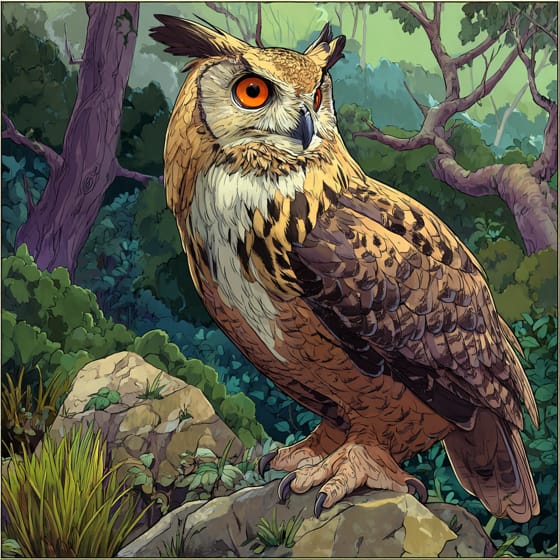
Bubo bubo
Hunted by large nocturnal owls while active at night.
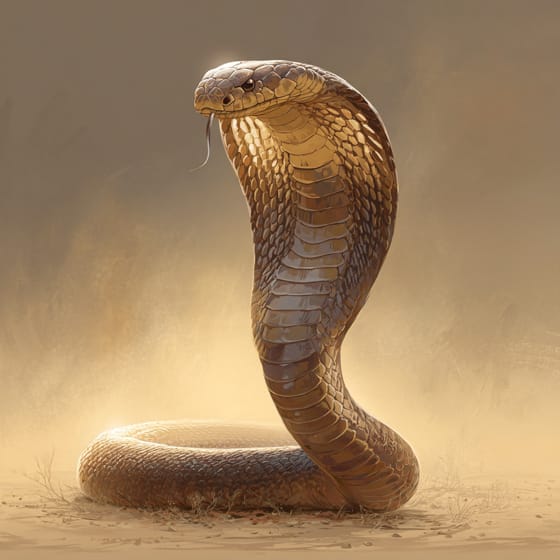
Naja naja
Can be prey for various snake species found in its habitat.
Gryllus bimaculatus
Feeds on crickets and other invertebrates found in its environment.
Wildlife encompasses all undomesticated animal and plant life existing in their natural habitats.
Solitary animals live alone for most of their lives, only interacting with others for mating or parental care.
This trait identifies organisms whose diet primarily consists of insects and other small invertebrates.
Desert habitats are arid regions characterized by extremely low precipitation and often extreme temperatures, supporting specialized flora and fauna.

This trait characterizes organisms with an exceptionally long lifespan compared to others of their kind.

Regenerative organisms possess the ability to regrow lost or damaged body parts, tissues, or organs.

Nocturnal animals are primarily active during the nighttime hours, typically resting or sleeping during the day.
No aliases listed yet.
Danger
2/5 · Low
Look but don’t touch. Keep a safe distance and wash hands after exploring.
20-28 cm
0.045-0.08 kg
10-20 years
2 km/h
Tiny hunters, Leopard Geckos munch on many different insects, catching them with a quick pounce!
Deserts and rocky areas
Ambush
1-2
Zoom in to split clusters and explore where this object has been snapped.
Recent snaps will appear here as new observations are added.

Texas, US
You might spot African Lion, Equus Africanus Asinus, and Tiger.
View guide →

California, US
You might spot Red Fox, Gray Wolf, and Duck.
View guide →

Northern Ireland, UK
You might spot African Lion, Red Squirrel, and Giraffes.
View guide →

District of Columbia, US
You might spot Grevy's Zebra, Eastern Long-Necked Turtle, and Sitatunga.
View guide →