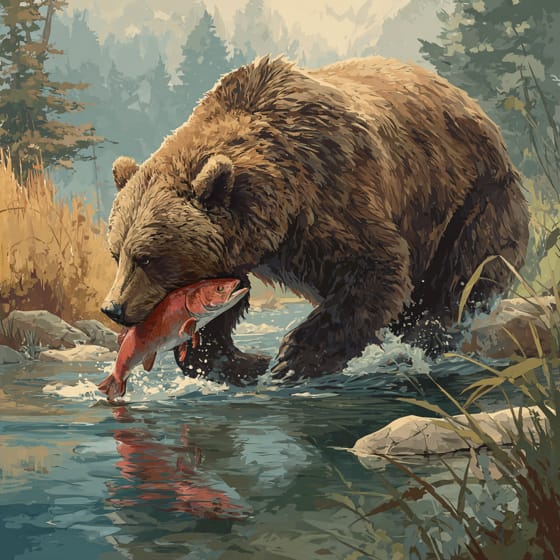
Grizzly Bear
Nestled high in the picturesque San Bernardino Mountains of California, the Big Bear Alpine Zoo offers a truly unique wildlife experience, standing out as one of only two alpine zoos in the United States.
Nestled high in the picturesque San Bernardino Mountains of California, the Big Bear Alpine Zoo offers a truly unique wildlife experience, standing out as one of only two alpine zoos in the United States. More than just a traditional zoo, it functions primarily as a rehabilitation facility, providing a safe haven for injured, orphaned, and imprinted wild animals, with the ultimate goal of releasing them back into their native environments. Visitors stepping into this serene, forested setting are not just observing animals; they are witnessing a profound commitment to wildlife conservation and education. The visitor experience at Big Bear Alpine Zoo is intimate and educational, allowing for up-close encounters with a diverse array of alpine species, many of which are native to the San Bernardino Mountains.
Guests can marvel at majestic creatures such as grizzly bears, black bears, and snow leopards, alongside various species of wolves, mountain lions, bobcats, and numerous birds of prey like bald eagles and owls. The zoo's naturalistic habitats and paved pathways create an accessible and enjoyable journey through the animal enclosures, complemented by informative signage that shares the unique stories and conservation challenges of each resident. What makes a visit especially rewarding is the opportunity to learn directly about the zoo's rehabilitation efforts.
For animals that cannot be released back into the wild due to injury or imprinting, the zoo provides a permanent home, allowing them to become ambassadors for their species. Daily keeper talks and feeding tours offer engaging insights into animal behaviors, diets, and the dedicated care provided by staff. It's a place where every visit contributes to a greater purpose, fostering appreciation for wildlife and inspiring stewardship of our natural world. Planning to visit? Download the Snappit app to identify the wildlife you spot in real-time.
The Big Bear Alpine Zoo boasts a notable history rooted in rescue and rehabilitation. It first opened its doors in 1959, initially known as Moonridge Animal Park, in response to a devastating wildfire that swept through the San Bernardino National Forest, leaving many local animals injured and displaced. The facility began as a makeshift hospital and rehabilitation area, providing care for the first residents, which included a black bear and two bobcats. Over time, as some animals were deemed unable to survive independently in the wild, the facility evolved to offer them permanent sanctuary. A 50-year lease secured in 1960 allowed the zoo to expand, and in 1989, the non-profit 'Friends of the Big Bear Alpine Zoo' was established to support its mission through education, volunteer coordination, and fundraising. The zoo moved to a brand-new, state-of-the-art facility in 2021, featuring more spacious and natural habitats, significantly enhancing both animal welfare and the visitor experience.
Walk the paved pathways to observe the animals in their naturalistic enclosures. Attend the daily animal presentations at noon to learn interesting facts and histories from keepers. Catch the 3:00 PM feeding tour for insights into animal diets and behaviors. Explore the Wildlife Theater for educational films and presentations.
Winter: A unique time to visit, as cold-weather animals like bears and wolves tend to be more active. The zoo also hosts special events like the 'Wild Lights' holiday show, transforming the zoo with dazzling displays. Spring: Brings cooler weather, lighter crowds, and active wildlife. Summer: The busiest season, especially on weekends and during school vacations. Fall: Offers comfortable temperatures, beautiful fall foliage, and fewer crowds. Weather Considerations: As the zoo is at a high elevation, weather can change quickly. On snowy days, it's advisable to call ahead to confirm operating hours.
The Big Bear Alpine Zoo is entirely ADA accessible, featuring paved walkways, a ground-level entrance, and handicap restrooms, making it easy for visitors with wheelchairs or strollers to navigate.
Meet Tutu, Ayla, and Harley, the only family of grizzlies in captivity and popular residents at the zoo.
A standout attraction offering an up-close view of these magnificent cats.
Observe gray wolves in their habitat.
See rescued black bears like Zuni, Hucklebeary, Hollybeary, and Pooh, each with unique personalities.
Each card links to a full Explore page with photos, traits, and fun facts.
Start with the big picture, then zoom in to explore individual wildlife observations around this place.
Arrive Early or for Special Programs
Visit in the morning when animals are often most active, or time your visit to coincide with the daily animal presentation at noon or the 3:00 PM feeding tour for enhanced viewing and educational opportunities.
Dress in Layers
Given its mountain location, the weather can change quickly. Dressing in layers will ensure comfort throughout your visit, regardless of temperature fluctuations.
Bring a Camera
With stunning mountain backdrops and numerous animal inhabitants, there are ample photo opportunities.
Consider a Picnic
Picnics are allowed at the zoo, providing a cost-effective and pleasant dining option, but be sure to check their website for any restrictions on containers or materials.
Check for Seasonal Events
The zoo hosts various seasonal events, such as the Fall Festival, Winter Wonderland, and 'Wild Lights' during the holidays. Checking their schedule in advance can add a unique dimension to your visit.
Support Conservation
The zoo is a rehabilitation facility; consider adopting an animal or purchasing from the gift shop, as 100% of these funds go directly to animal care and conservation efforts.
Feb 28, 2026
Feb 28, 2026
Feb 28, 2026
Feb 27, 2026
Feb 27, 2026

Michigan, US
You might spot African Lion, Komodo Dragon, and Brown Bear.
View guide →
.jpg)
Municipal District of Cobh, IE
You might spot Ring-Tailed Lemur, Giraffes, and Cheetahs.
View guide →

Nouvelle-Aquitaine, FR
You might spot Greater Flamingo, Giraffes, and Red Panda.
View guide →

Texas, US
You might spot Giraffes, African Lion, and Eastern Black Rhinoceros.
View guide →
Take the discovery with you
Identify the wildlife you spot, learn as you go, and keep a collection of the adventure.