




Giant Panda

Nestled within Washington D.C.'s verdant Rock Creek Park, the Smithsonian's National Zoo and Conservation Biology Institute offers an unparalleled wildlife adventure, inviting visitors of all ages to connect with nature's marvels from around the globe. As one of the oldest zoos in the United States, it combines the charm of a historic park with cutting-edge conservation efforts, all while maintaining its long-standing tradition of free admission. Spanning 163 acres, this sprawling urban oasis is home to over 2,000 animals representing more than 400 diverse species, many of which are endangered or threatened.A visit to the National Zoo is a journey through distinct ecosystems, each meticulously designed to reflect the animals' natural habitats.
Wander through the immersive Asia Trail, where you might catch a glimpse of the beloved giant pandas, red pandas, and clouded leopards navigating their lush surroundings. Head to Elephant Trails to observe the magnificent Asian elephants, or explore the Great Ape House to come face-to-face with western lowland gorillas and orangutans. The American Trail showcases North American wildlife, including playful river otters and majestic gray seals, while the vibrant Amazonia exhibit plunges you into a tropical rainforest complete with free-ranging animals and a diverse aquatic life.Beyond captivating animal encounters, the National Zoo is a beacon of global conservation.
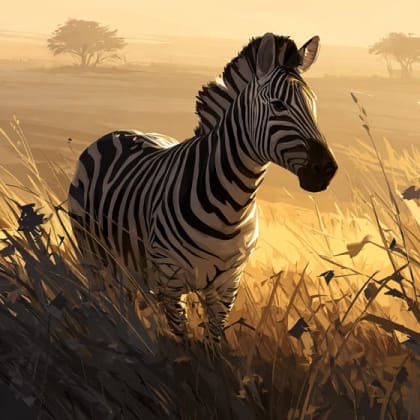
It actively participates in breeding programs for endangered species and conducts vital research through its Conservation Biology Institute. The zoo fosters engaging educational experiences for families and wildlife enthusiasts alike, offering daily demonstrations and opportunities to interact with zookeepers. Whether you're marveling at the intricate patterns of a Grevy's zebra, the prehistoric presence of a Cuban crocodile, or the sheer joy of watching otters play, the National Zoological Park promises an enriching, inspiring, and unforgettable day for everyone. Enhance your adventure: download the Snappit app to identify the local species you encounter.
The National Zoological Park's origins trace back to 1886 as the National Museum's Department of Living Animals. It was formally established by an Act of Congress on March 2, 1889, with a mission for "the advancement of science and the instruction and recreation of the people." In 1890, it officially became a part of the Smithsonian Institution. The initial plans for the zoo were developed by influential figures including Samuel Langley, third Secretary of the Smithsonian; noted conservationist William Temple Hornaday; and the renowned landscape architect Frederick Law Olmsted, Sr. Olmsted envisioned a picturesque, park-like setting for the zoo within the Rock Creek Valley. The zoo was the first federally-funded institution of its kind in the U.S., originally conceived to conserve North American mammals like bison and beaver that were facing extinction. The National Zoo was listed on the National Register of Historic Places in 1973.
Each card links to a full Explore page with photos, traits, and fun facts.
Start with the big picture, then zoom in to explore individual wildlife observations around this place.
Arrive Early
Get there right when the zoo opens to see animals at their most active and to avoid the biggest crowds, especially in warmer months.
Use Public Transportation
Parking at the zoo can fill up quickly and be costly. Consider taking the Metro to either the Cleveland Park or Woodley Park-Zoo stops (Cleveland Park offers a slightly downhill walk to the entrance).
Wear Comfortable Shoes
The zoo is quite large and built on a hill, requiring a significant amount of walking.
Pack Your Own Snacks/Lunch
Save money and eat healthier by bringing your own food and water bottles.
Check the Daily Schedule
Consult the zoo's official website for daily programs, feeding times, and zookeeper talks to enhance your visit.
Don't Rush
With many exhibits and a sprawling layout, allow ample time (2-4 hours) to explore and enjoy the animals without feeling rushed.
Mar 3, 2026
Mar 2, 2026
Mar 2, 2026
Mar 1, 2026
Mar 1, 2026

Michigan, US
You might spot African Lion, Komodo Dragon, and Brown Bear.
View guide →
.jpg)
Municipal District of Cobh, IE
You might spot Ring-Tailed Lemur, Giraffes, and Cheetahs.
View guide →

Nouvelle-Aquitaine, FR
You might spot Greater Flamingo, Giraffes, and Red Panda.
View guide →

Texas, US
You might spot Giraffes, African Lion, and Eastern Black Rhinoceros.
View guide →
Take the discovery with you
Identify the wildlife you spot, learn as you go, and keep a collection of the adventure.