

Evening Primrose
Oenothera biennis
Evening Primrose has bright yellow flowers that open in the evening! It's a special flower that attracts night-time pollinators.
Habitat: Open fields and roadsides
The Evening Primrose has vibrant yellow, cup-shaped flowers, each with four petals, that unfurl dramatically at dusk. Its upright stems feature lance-shaped leaves, and the plant can grow quite tall, standing out in open fields.
Category
PlantsRarity
Common
Danger
1/5 · Very low
Snaps
2
Its bright yellow petals open so quickly at sunset, you can almost watch it happen!
Native Americans used its leaves and roots for food and medicine long ago.
The roots of the Evening Primrose can be boiled and eaten, tasting a bit like parsnips!
This plant gets its name because its lovely flowers bloom mainly in the evening.
Evening Primrose can rapidly unfurl its bright flowers at sunset, making it visible to nocturnal pollinators like moths.
Evening Primrose has a sweet, strong fragrance released at night that attracts specific night-flying insects from afar.
Evening Primrose can produce many tiny seeds that stay viable in soil for years, waiting for perfect conditions.
Hyles lineata
visits flowers at night for nectar.
Apis mellifera
collects pollen and nectar by day.
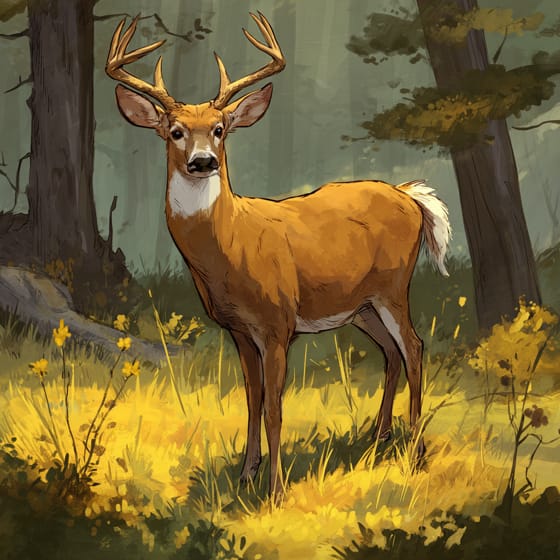
Odocoileus virginianus
browses on leaves and young shoots.
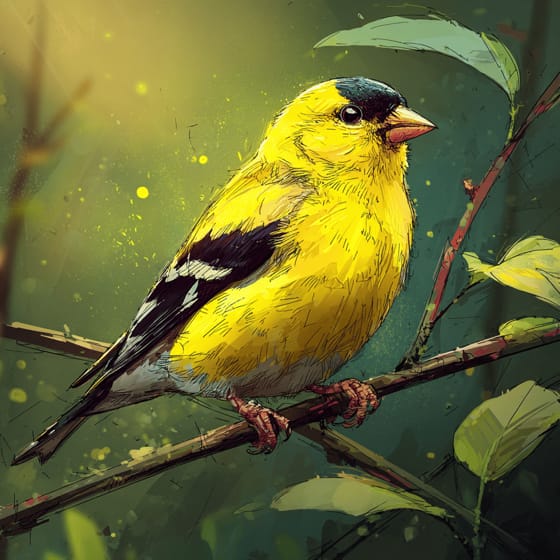
Carduelis tristis
feeds on the oil-rich seeds.
Biennial plants complete their life cycle over two growing seasons, typically forming foliage in the first year and flowering/seeding in the second.
Fragrant flowers emit a pleasant aroma, often to attract pollinators or for defense.
Night blooming plants open their flowers after sunset, often to attract nocturnal pollinators with their scent and appearance.
Grassland habitats are terrestrial biomes dominated by grasses and herbaceous plants, supporting a variety of grazing animals.
Danger
1/5 · Very low
Explore with care and ask an adult if you’re unsure what to do.
30-150 cm
30-60 cm
2-5 cm
Summer to early fall
Yes
None
Biennial
Insect
Zoom in to split clusters and explore where this object has been snapped.
Virginia, US
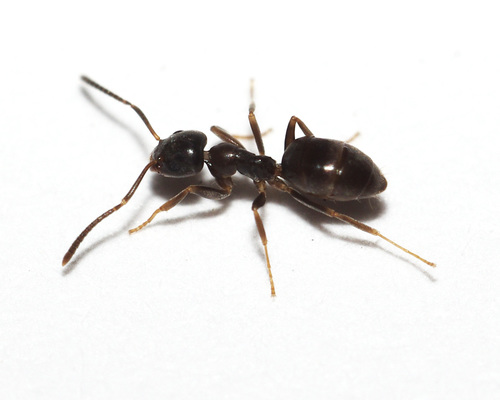
You might spot Odorous House Ant and Willow Leaf Beetle.
View guide →

Massachusetts, US
You might spot White Mulberry and Mourning Dove.
View guide →

Massachusetts, US
You might spot European Flat Oyster and Staghorn Sumac.
View guide →