

grand fir
Abies grandis
The grand fir is a tall tree with soft, flat needles and a lovely scent. It can grow very high and is often found in forests, providing homes for many animals.
Habitat: Forests
The grand fir is a very tall, narrow evergreen tree with flat, shiny, dark green needles arranged in two neat rows. Its bark is smooth and gray when young, becoming furrowed and reddish-brown with age, often holding distinctive upright, purple-green cones near the top.
Category
PlantsRarity
Common
Danger
1/5 · Very low
Snaps
24
Grand firs have white stripes on the underside of their needles, which look like tiny racing tracks!
Scratch its bark gently, and you might smell a sweet scent, like oranges or even pineapple!
These trees can grow so tall, they sometimes provide homes for animals like spotted owls high in the canopy!
Unlike other conifers, grand fir cones stand upright and shatter on the branch, never falling whole!
The grand fir has flat, two-ranked needles that make it easy to identify and help capture sunlight efficiently.
Grand fir cones stand straight up on branches like candles, helping seeds disperse easily when they break apart.
The fir's bark and needles contain aromatic resins that deter some pests and release a sweet, foresty scent.
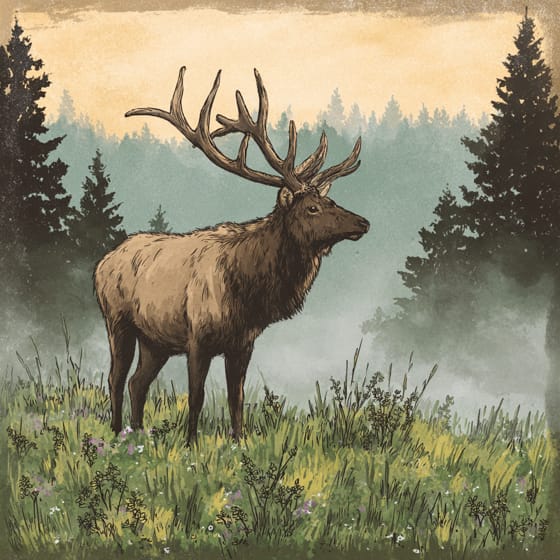
Cervus canadensis
browses on young seedlings and foliage
Sciurus griseus
harvests and eats seeds from cones
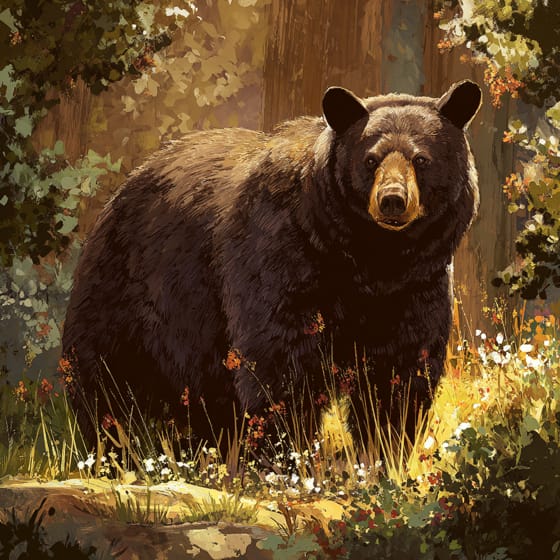
Ursus americanus
rests and finds cover under large trees
Strix occidentalis
nests and roosts in mature grand firs
Aromatic plants produce and emit fragrant volatile organic compounds, often for defense or to attract pollinators.
Shade tolerant plants are adapted to grow and thrive in areas with low light levels, requiring less direct sunlight.
Coniferous plants are typically evergreen, bearing needles or scales and reproductive cones.
Evergreen plants retain their foliage throughout the year, never shedding all their leaves at once.

Medicinal plants possess chemical compounds that can be used for therapeutic purposes to treat illnesses or maintain health.
Timber refers to wood that has been prepared for use in building and carpentry.

Forest habitats are terrestrial environments dominated by dense tree cover, supporting a high diversity of plant and animal life.

This trait characterizes organisms with an exceptionally long lifespan compared to others of their kind.

Describes a species whose presence and role have a disproportionately large effect on its environment.

Giant describes organisms or objects of significantly larger size than average for their species or type.
No aliases listed yet.
Danger
1/5 · Very low
Stay on paths and don't climb trees without an adult's help.
4000-7000 cm
800-1500 cm
Spring
Yes
None
Perennial
Wind
Forests
Zoom in to split clusters and explore where this object has been snapped.
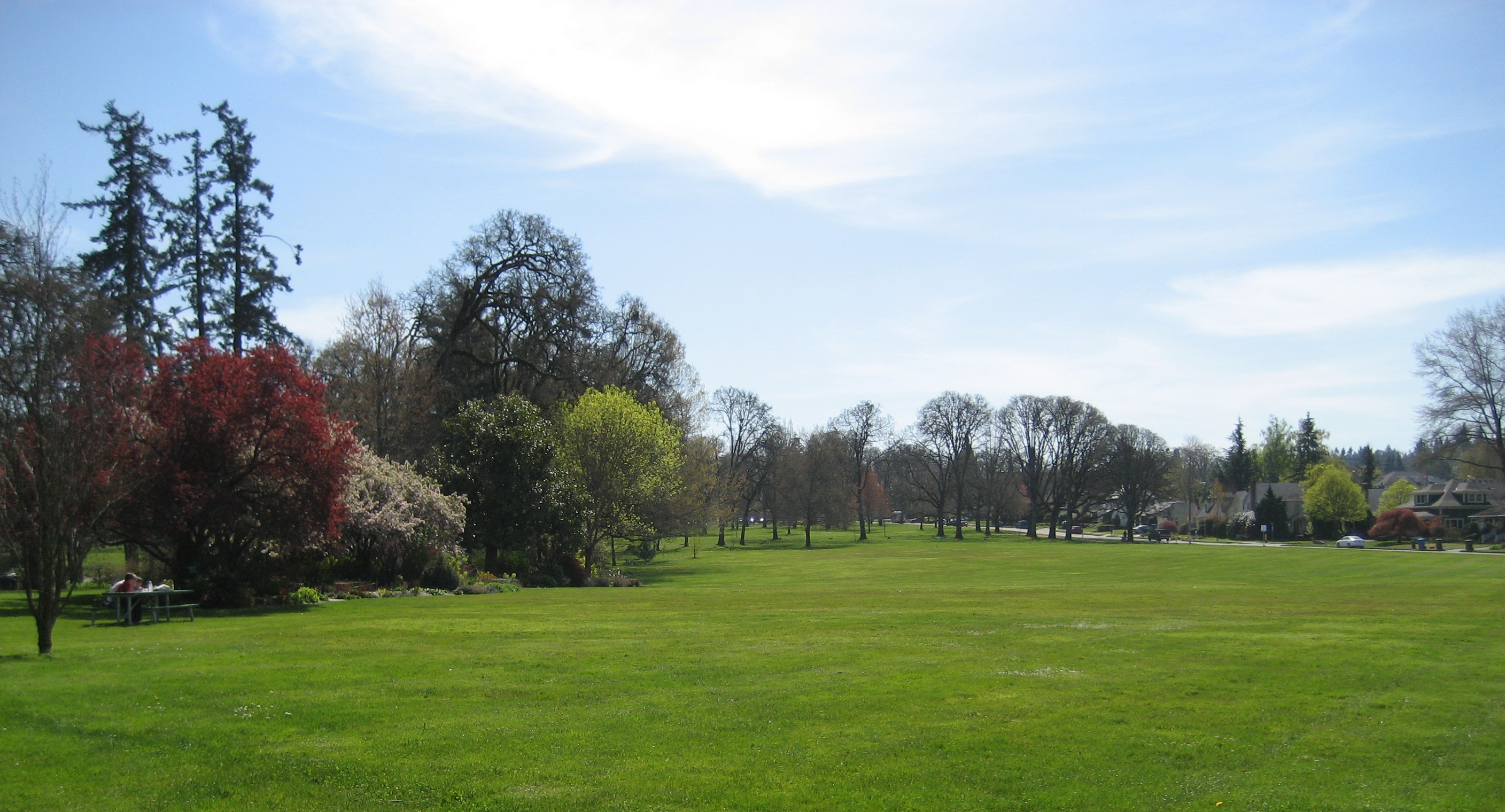
Oregon, US
You might spot Oregon Oak and Douglas's Ground Squirrel.
View guide →

British Columbia, CA
You might spot American Dipper, Sockeye Salmon, and Duck.
View guide →

Washington, US
You might spot Prostrate Knotweed, Common Dandelion, and Duck.
View guide →

British Columbia, CA
You might spot Douglas Fir, Silverleaf Phacelia, and Rocky Mountain Maple.
View guide →

British Columbia, CA
You might spot Salal, Evergreen Huckleberry, and Douglas Fir.
View guide →