Sockeye Salmon

## Kokanee Creek Provincial Park: A West Kootenay Gem
## Kokanee Creek Provincial Park: A West Kootenay Gem
Nestled along the western arm of Kootenay Lake, just 19 kilometers east of Nelson, British Columbia, Kokanee Creek Provincial Park is a cherished natural oasis offering an ideal blend of pristine sandy beaches, lush forests, and abundant wildlife. Spanning 257 hectares, this captivating park is renowned for its diverse ecosystems, which include an active alluvial creek fan with marshes and an extensive sandspit. It's a place where the Sinixt people, "of the Lakes people," once held seasonal camps, recognizing its rich resources, especially the kokanee salmon that return annually to spawn.
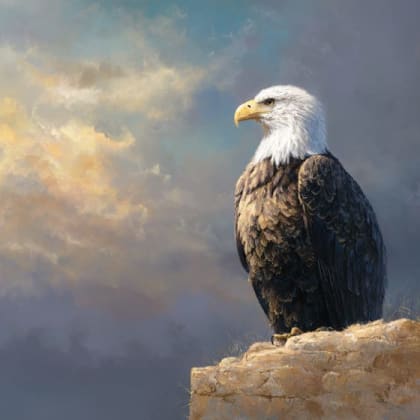
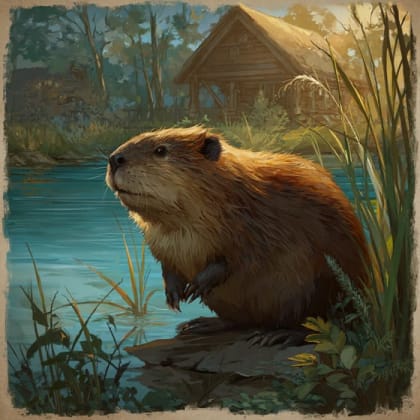
The park boasts a variety of habitats supporting a rich array of wildlife, making it a paradise for nature enthusiasts. Visitors can anticipate spotting a multitude of creatures, including mammals like American Black Bears, White-tailed Deer, and American Beavers, as well as a vibrant birdlife that includes the striking Bald Eagle, majestic Great Blue Heron, and the year-round presence of American Dippers and Common Mergansers. The iconic kokanee salmon run, from mid-August to mid-September, is a spectacular highlight, drawing both human observers to the dedicated spawning channel and a variety of wildlife, including bears, to this significant natural event. The park's diverse flora also includes impressive specimens like grand fir and Devil's Club.
Whether you're seeking a relaxing beach day, an adventurous hike through old-growth forests, or an educational wildlife encounter, Kokanee Creek Provincial Park delivers an unforgettable experience. Its network of easy walking and hiking trails, coupled with the interpretive programs at the Kokanee Creek Nature Centre, provide ample opportunities for exploration and learning. The unique combination of natural beauty, recreational activities, and educational offerings ensures that every visit is memorable, solidifying its reputation as a premier destination in the West Kootenays. Eager to name that creature? Identify any animal you find during your visit using the Snappit app.
Kokanee Creek Provincial Park was officially established on April 5, 1955, encompassing lands that were once part of the "Busk Estate". Charles W. Busk, a wealthy English gentleman, acquired a large tract of land with lake frontage near Nelson in the late 1800s, where he built a mansion. Archaeological evidence within the park also indicates that First Nations people, specifically the Sinixt, Kutenai, and Ktunaxa, utilized the area for seasonal campsites and trade long before European settlement. The park's creation transformed these private lands into a publicly accessible protected area, thanks to the foresight of local land planners who recognized the value of the region's natural attributes. The establishment of campgrounds, a visitor center, and other amenities soon followed, supported by local interest groups. The park's name, "Kokanee," is derived from the Sinixt name for the redfish that swim upstream to spawn, highlighting the enduring ecological significance of the salmon run to the area.
Swim, sunbathe, boat, kayak, canoe, or paddleboard on Kootenay Lake from the park's boat launch and beaches.
Picnics & Playgrounds: Enjoy picnic areas and two adventure playgrounds, especially fun for families.
Fishing: Kootenay Lake is known for kokanee, rainbow, and bull trout (license required).
Summer (June-August): Warmest weather, ideal for swimming and all water activities. Peak season for camping and interpretive programs at the Nature Centre.
Fall (September-November): Best time to witness the kokanee salmon run and associated wildlife activity (bears are present, so exercise caution). Cooler temperatures are great for hiking.
Winter (December-March): Vehicle access to some areas may be limited, but visitors can still access them on foot for cross-country skiing and snowshoeing.
Spring (April-May): Awakening of nature, migratory birds return, and trails begin to clear. Nature Centre reopens mid-May.
Many trails are considered easy and suitable for various fitness levels.
The Kokanee Creek Spawning Channel has a boardwalk and viewing platform for easy access to observe salmon.
The park offers flush toilets and showers in campgrounds.
Designated dog beaches are available, but dogs are not permitted on the main beach or spawning channel boardwalk to protect wildlife.
WiFi is available at the Nature Centre.
A man-made and natural channel where thousands of kokanee salmon return to spawn from mid-August to mid-September, viewable from a boardwalk and observation platform.
Open mid-May to mid-September, offering environmental education programs, exhibits, a coffee bar, and gift shop.
Over a kilometer of sandy beaches along Kootenay Lake, including Sandspit and Redfish beaches, perfect for swimming and relaxing.
A 2.5 km trail leading to a scenic viewpoint overlooking the Kokanee Creek canyon and its waterfall.
Each card links to a full Explore page with photos, traits, and fun facts.
Start with the big picture, then zoom in to explore individual wildlife observations around this place.
Visit the Nature Centre
Stop by the Kokanee Creek Nature Centre for information on interpretive programs, wildlife sightings, and park education. It's open from mid-May to mid-September and offers WiFi and a coffee shop.
Plan for Salmon Spawning
If visiting in late August to mid-September, prioritize a walk along the spawning channel boardwalk to witness the incredible kokanee salmon run. Be aware of potential bear activity during this time and follow all posted signs and warnings.
Explore the Beaches
Spend time on the kilometer-long sandy beaches of Sandspit or the more secluded Redfish beach for swimming, sunbathing, or launching a kayak or paddleboard. Remember that the main beach is unsupervised and does not allow dogs.
Hike the Canyon Trail
Don't miss the easy 2.5 km Canyon Trail, which leads to an observation platform with stunning views of the Kokanee Creek canyon and its waterfall.
Bring Binoculars
With over 160 bird species and various mammals like American Black Bears and White-tailed Deer, binoculars will enhance your wildlife viewing experience, especially near the marshlands and spawning channel.
Secure Food Safely
Given the presence of American Black Bears, particularly during the salmon run, always store food securely in your vehicle or bear-proof containers, and never leave food unattended at campsites.
Jan 7, 2026
Jan 2, 2026
Jan 2, 2026
Jan 2, 2026
Jan 2, 2026

Maryland, US
You might spot White-Tailed Deer and Eastern Gray Squirrel.
View guide →
.jpg)
District of Columbia, US
You might spot Eastern Gray Squirrel, Duck, and House Sparrow.
View guide →

Illinois, US
You might spot American Robin, Canada Goose, and House Sparrow.
View guide →

Virginia, US
You might spot Spotted Lanternfly and Northern Cardinal.
View guide →
Take the discovery with you
Identify the wildlife you spot, learn as you go, and keep a collection of the adventure.