





Black Bear
Ursus americanus
Black bears are large, furry mammals that love to explore forests and mountains. They have a great sense of smell and are excellent climbers.
Habitat: Forests, Mountain regions
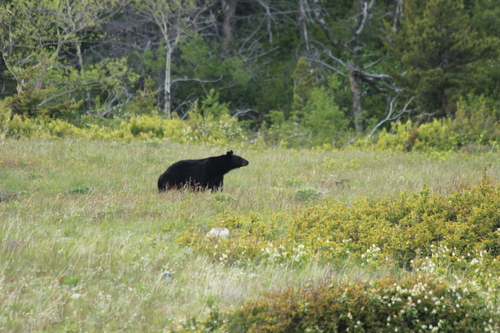
The Black Bear is typically recognized by its shaggy coat, which can range from shiny black to shades of brown, cinnamon, or even rare blue-gray or white. It often has a lighter muzzle and sometimes a white chest patch, distinguishing it from other bear species.
Category
MammalsRarity
Common
Danger
3/5 · Moderate
Snaps
163
A black bear can sniff out food from over 30 kilometers away!
Black bear cubs are born tiny, blind, and helpless, often no bigger than a soda can!
Black bears can grow a layer of fat several inches thick for winter survival!
They don't truly hibernate; they enter a deep sleep called torpor, waking easily if needed!
Black Bears can enter a long winter sleep because of special body adaptations that help them conserve energy and survive cold months.
Black Bears have strong claws and agile bodies that help them swiftly climb trees to find food or escape danger.
Black Bears have an incredible sense of smell that helps them locate food from far away and detect potential threats.
Black bears are omnivores, eating almost anything from berries to insects!
Age differences: Cubs drink milk, then transition to their mother's diverse omnivorous diet.

Vaccinium angustifolium
A key berry source in summer.
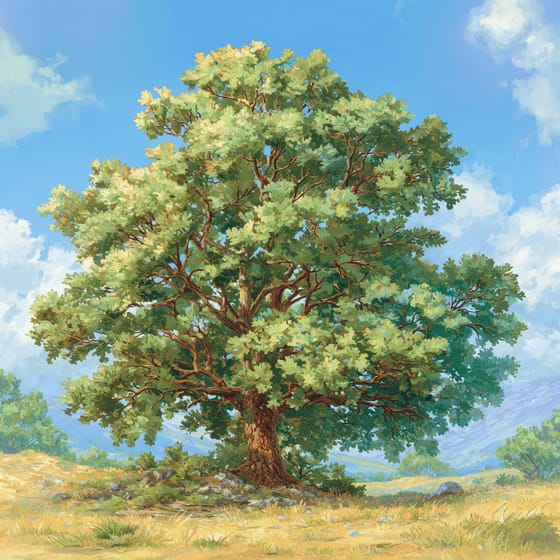
Quercus alba
Acorns provide vital fall energy.
Formica rufa
Bears dig up ant larvae.
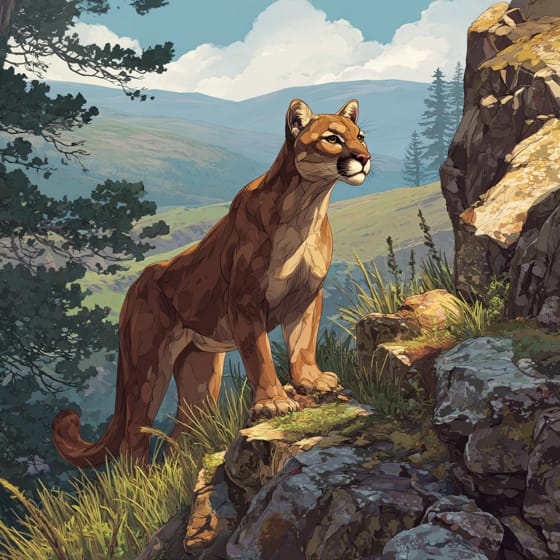
Puma concolor
Can prey on black bear cubs.
Wildlife encompasses all undomesticated animal and plant life existing in their natural habitats.
Furry describes animals possessing a dense covering of soft hair or fur.
This trait identifies organisms whose diet includes both plant and animal matter.
This habitat trait identifies species found in mountainous regions, characterized by high elevation, steep slopes, and varying climate zones.

Forest habitats are terrestrial environments dominated by dense tree cover, supporting a high diversity of plant and animal life.

This habitat trait identifies species found in temperate rainforests, characterized by significant rainfall, mild temperatures, and dense evergreen or deciduous forests in coastal regions.

Nocturnal animals are primarily active during the nighttime hours, typically resting or sleeping during the day.
Danger
3/5 · Moderate
If you see a black bear, stay calm and back away slowly. Never approach or feed a bear.
The easiest way to identify Black Bear is to use the Snappit nature identifier app.
120-200 cm
90-270 kg
15-25 years
55 km/h
Black bears are omnivores, eating almost anything from berries to insects!
Forests, Mountain regions
Foraging
Zoom in to split clusters and explore where this object has been snapped.
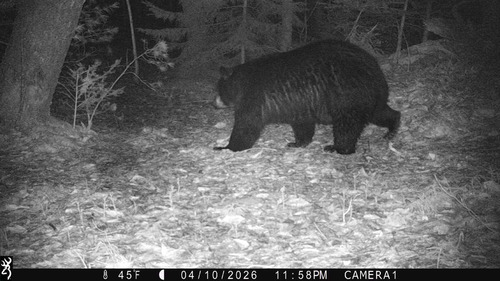
Apr 11, 2026
South Windham Village Historic DistrictPhoto attribution
no rights reserved
License: CC0 1.0 ↗
Image may be shown cropped inside the card frame.
Jun 17, 2022
Sherburne Ranger Station Historic DistrictPhoto attribution
(c) Romain Boisseau, some rights reserved (CC BY-SA)
License: CC BY-SA 4.0 ↗
Image may be shown cropped inside the card frame.
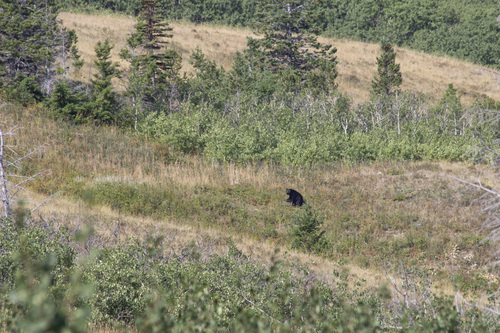
Aug 15, 2017
Sherburne Ranger Station Historic DistrictPhoto attribution
(c) Romain Boisseau, some rights reserved (CC BY-SA)
License: CC BY-SA 4.0 ↗
Image may be shown cropped inside the card frame.
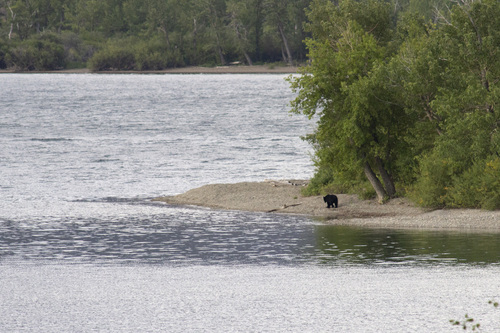
Aug 14, 2017
Sherburne Ranger Station Historic DistrictPhoto attribution
(c) Romain Boisseau, some rights reserved (CC BY-SA)
License: CC BY-SA 4.0 ↗
Image may be shown cropped inside the card frame.
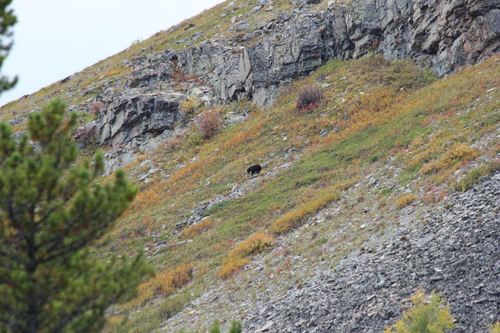
Sep 23, 2016
Sherburne Ranger Station Historic DistrictPhoto attribution
(c) Romain Boisseau, some rights reserved (CC BY-SA)
License: CC BY-SA 4.0 ↗
Image may be shown cropped inside the card frame.

California, US
You might spot Sequoia, California Newt, and Pacific Dogwood.
View guide →
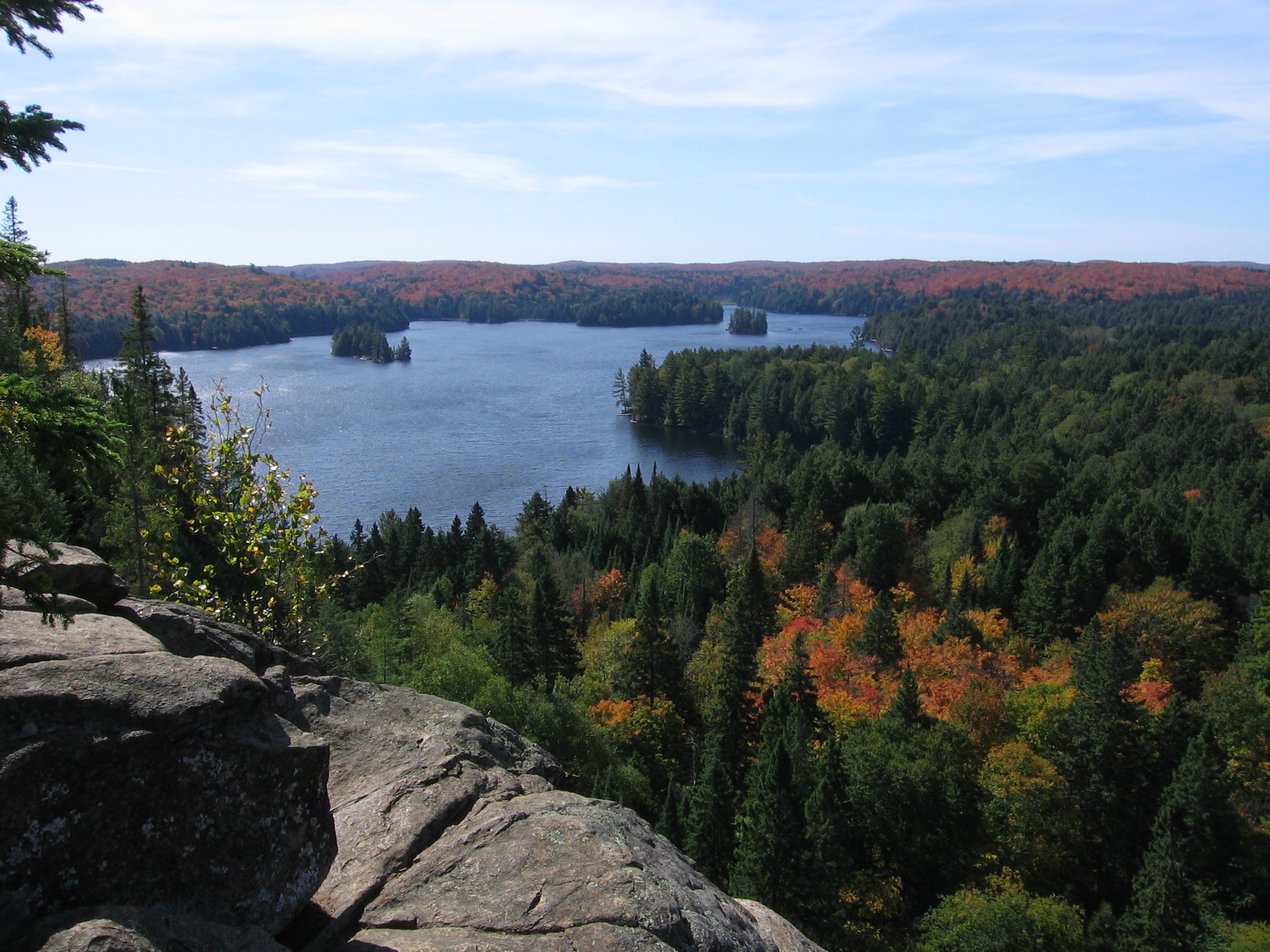
Ontario, CA
You might spot Canada Jay, American Beaver, and Black-Capped Chickadee.
View guide →

Tennessee, US
You might spot Black Bear, Yellow Wakerobin, and Pipevine Swallowtail.
View guide →

Massachusetts, US
You might spot Eastern Newt, Purple Pitcher Plant, and Hobblebush.
View guide →

US
You might spot Bald Eagle, Common Raven, and Salmonberry.
View guide →

Vermont, US
You might spot Eastern White Pine, Staghorn Sumac, and Box Elder.
View guide →
Take the discovery with you
Snap it with Snappit to identify it, learn what makes it special, and add the discovery to your collection.




.jpg&width=800)


.JPG&width=800)



.jpg&width=800)
