





Elk
Cervus canadensis
Elk are large deer with impressive antlers. They live in herds and migrate between seasons.
Habitat: Forests, meadows, and mountains.
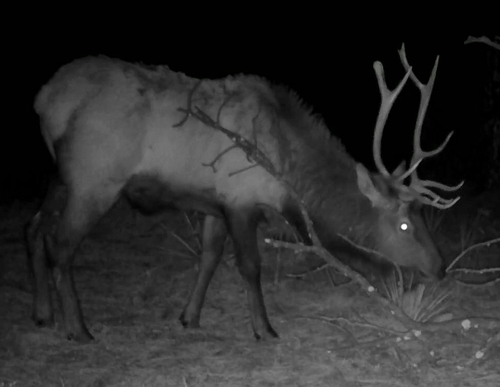
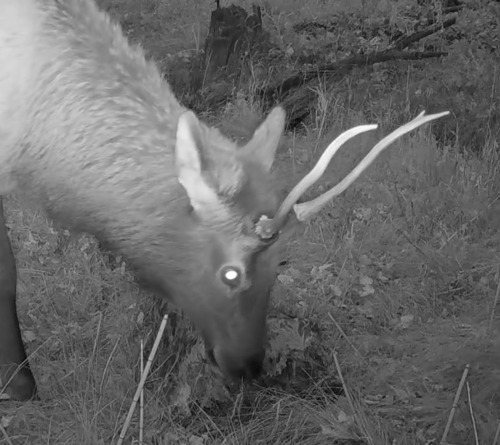
The Elk is a large deer with a reddish-brown body, darker brown neck and legs, and a distinct creamy-yellow rump patch. Males grow huge, branched antlers annually, which makes them visually distinct from many other deer species.
Category
MammalsRarity
Common
Danger
4/5 · High
Snaps
103
Elk migrate over 100 miles seeking better food and milder weather.
Elk wallow in mud or dust to cool down and remove parasites.
Their impressive antlers are shed and regrown even larger every single year!
Young elk calves are spotted for camouflage, helping them hide from hungry predators.
Elk males grow massive antlers for sparring with rivals and defending against predators.
Elk have excellent hearing and smell, helping them detect predators and navigate their habitats safely.
Elk have powerful legs for running fast and swimming, helping them escape danger and travel long distances.
Male elk use a loud 'bugle' call to attract mates and warn rivals during the breeding season.
Elk are plant-eaters, munching on grasses, leaves, bark, and twigs to grow big and strong.
Canis lupus
Wolves are a primary predator of elk, especially calves.
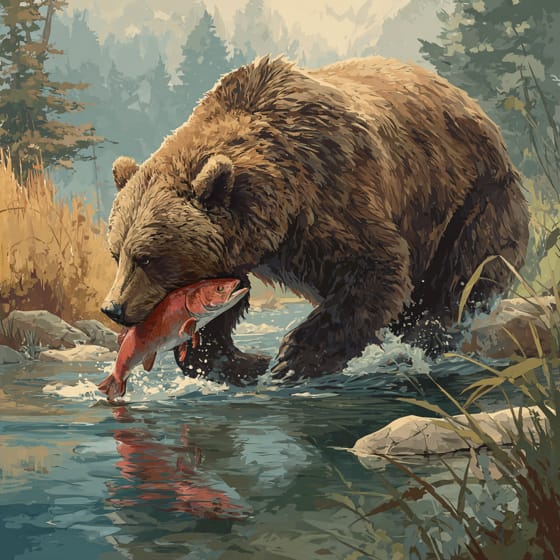
Ursus arctos
Bears prey on elk, particularly calves or injured adults.
Puma concolor
Mountain lions hunt elk in forested and mountainous regions.
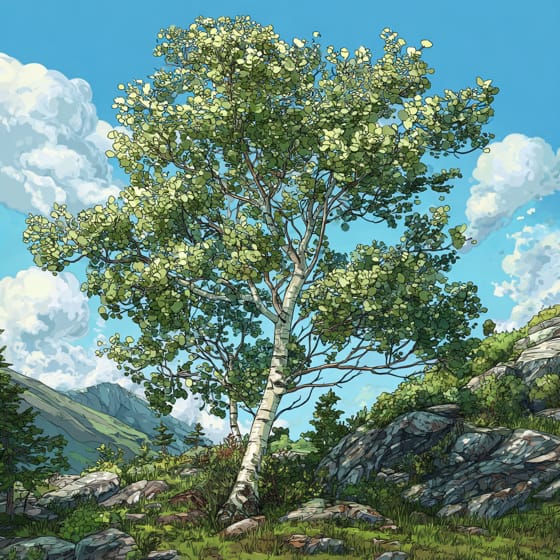
Populus tremuloides
Elk browse on aspen bark and twigs, influencing forest growth.
Furry describes animals possessing a dense covering of soft hair or fur.
Social animals live in organized groups, cooperating for survival benefits such as foraging, defense, and raising offspring.
Antlered describes animals possessing antlers, which are bony, branching growths found predominantly on male deer and related species.
This trait characterizes organisms whose diet consists entirely or primarily of plant material.

This habitat trait identifies species found in mountainous regions, characterized by high elevation, steep slopes, and varying climate zones.

Forest habitats are terrestrial environments dominated by dense tree cover, supporting a high diversity of plant and animal life.

This trait identifies organisms that exhibit exceptional swiftness in movement for hunting, escape, or travel.

Migratory animals undertake seasonal movements from one region to another, typically in response to changes in climate or food availability.
Danger
4/5 · High
Stay far away during mating season — elk can charge.
The easiest way to identify Elk is to use the Snappit nature identifier app.
210-270 cm
200-500 kg
10-20 years
72 km/h
Elk are plant-eaters, munching on grasses, leaves, bark, and twigs to grow big and strong.
Forests, meadows, and mountains.
Grazing
Zoom in to split clusters and explore where this object has been snapped.
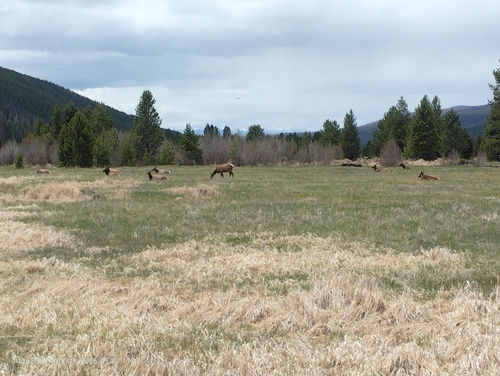
May 27, 2026
Holzwarth Historic DistrictPhoto attribution
(c) wconey, some rights reserved (CC BY)
License: CC BY 4.0 ↗
Image may be shown cropped inside the card frame.
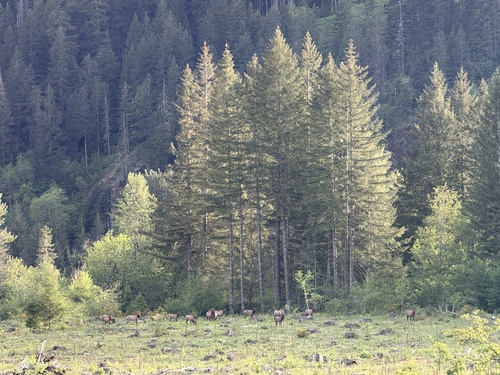
May 20, 2026
Wind River ArboretumPhoto attribution
no rights reserved
License: CC0 1.0 ↗
Image may be shown cropped inside the card frame.
Jan 28, 2026
Sioux County CourthousePhoto attribution
(c) Colin Croft, some rights reserved (CC BY)
License: CC BY 4.0 ↗
Image may be shown cropped inside the card frame.
Nov 11, 2025
Sioux County CourthousePhoto attribution
(c) Colin Croft, some rights reserved (CC BY)
License: CC BY 4.0 ↗
Image may be shown cropped inside the card frame.

Colorado, US
You might spot Common Starlily and Wholeleaf Paintbrush.
View guide →

Wyoming, US
You might spot Elk, American White Pelican, and Arrowleaf Balsamroot.
View guide →

Wyoming, US
You might spot Moose, Arrowleaf Balsamroot, and Black Bear.
View guide →

Wyoming, US
You might spot Elk, Killdeer, and Black-Billed Magpie.
View guide →

Montana, US
You might spot Sticky Geranium, White-Tailed Deer, and Common Toadflax.
View guide →

Colorado, US
You might spot Black-Billed Magpie and Twinberry Honeysuckle.
View guide →
Take the discovery with you
Snap it with Snappit to identify it, learn what makes it special, and add the discovery to your collection.





.jpg&width=800)


.JPG&width=800)


.jpg&width=800)
