


Deadly Webcap
Cortinarius
The Deadly Webcap is a dangerous mushroom that should never be eaten. It's important to stay safe!
Habitat: Forests
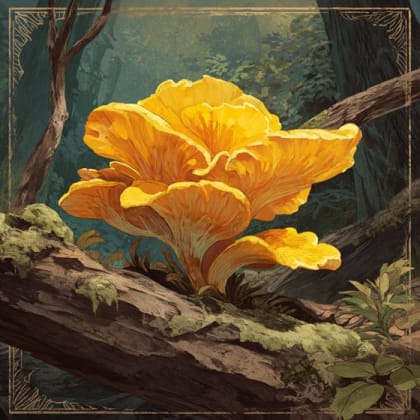
The Deadly Webcap has a conical to bell-shaped, often rusty-orange to reddish-brown cap with a finely scaly surface. Its gills are broadly spaced and rust-brown, while the stem is slender, often yellow-orange, and can have yellowish bands from the web-like partial veil.
Category
FungiRarity
Epic
Danger
1/5 · Very low
Snaps
Be the first to snap!
Deadly Webcap often looks like edible mushrooms, tricking even experienced foragers.
Eating even a small piece can cause permanent kidney damage or death.
Its poison, orellanine, can take days or even weeks to show symptoms!
The 'webcap' name comes from a delicate, cobweb-like veil under its cap.
Deadly Webcap can produce a powerful toxin called orellanine that slowly destroys kidneys, making it extremely dangerous.
Deadly Webcap has a special underground connection with tree roots, sharing nutrients through a process called mycorrhiza.
Deadly Webcap can release millions of rusty-brown spores into the wind, helping new mushrooms grow far away.
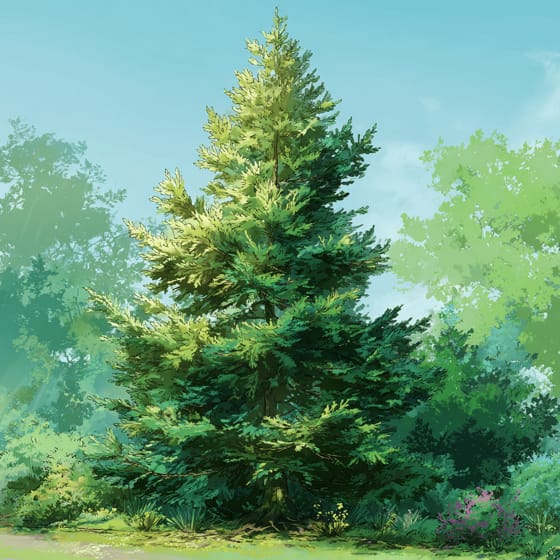
Picea abies
Shares nutrients with its root system.
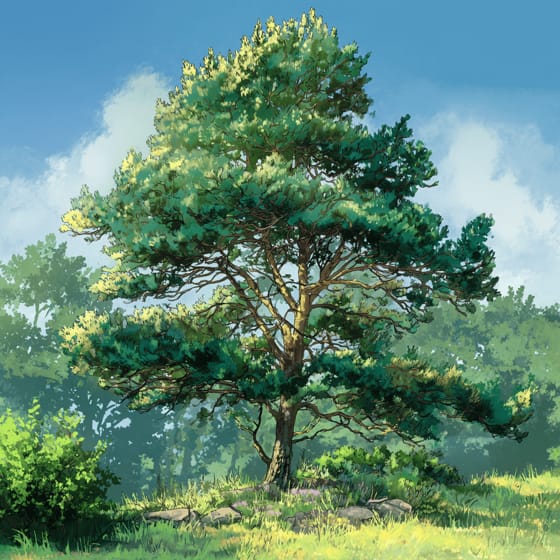
Pinus sylvestris
Exchanges resources with the roots of this pine.
Arion lusitanicus
Slugs may graze on its fungal fruiting bodies.
Spore-producing organisms reproduce by releasing small, often single-celled, reproductive units called spores.
Forest habitats are terrestrial environments dominated by dense tree cover, supporting a high diversity of plant and animal life.
Toxic organisms contain substances that are poisonous and can cause adverse effects upon exposure.
Danger
1/5 · Very low
Do not pick or eat anything you find. Some plants and mushrooms can be harmful.
3-12 cm
deadly
2-7 cm
Forests
soil
Late summer to late autumn
Rusty brown
Zoom in to split clusters and explore where this object has been snapped.
Recent snaps will appear here as new observations are added.