

Common Newt
Lissotriton vulgaris
The Common Newt is a tiny, slimy creature that swims and walks on land. They have a cool wiggly tail that helps them swim fast!
Habitat: Ponds, marshes, and gardens
The Common Newt is a small amphibian with smooth, often olive-brown to dark brown skin, and a distinctive orange or yellow belly covered in black spots. Males develop a wavy crest along their back during breeding season, making them visually different from females and other newt species.
Category
AmphibiansRarity
Common
Danger
2/5 · Low
Snaps
2
Common newts spend winter snuggled deep underground or hidden in logs!
Each female newt carefully wraps her eggs in leaves, one at a time!
Male newts grow a fancy, wavy crest just for showing off to females!
They can breathe through their skin, even underwater!
Common Newts can regrow lost limbs, tails, and even eye parts because of their incredible regenerative abilities.
The Common Newt changes skin texture and coloration that helps them camouflage or attract mates seasonally.
The Common Newt has a quick, sticky tongue that helps them snatch small insects and worms on land.
Common Newts can swim gracefully using their flattened tail, which helps them move through aquatic habitats.
Tiny newts feast on small invertebrates, both in water and on land, keeping their habitats healthy.
Age differences: Larvae eat microscopic plankton; adults hunt larger insects and worms.
Anas platyrhynchos
Ducks sometimes prey on newts, especially juveniles.
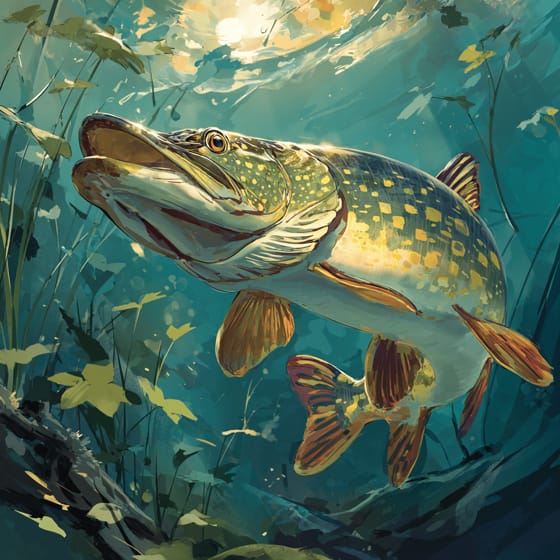
Esox lucius
Large fish like pike can eat adult common newts.
Culex pipiens
Newts eat mosquito larvae, helping control populations.
Daphnia pulex
Newt larvae filter-feed on these tiny aquatic organisms.
Wildlife encompasses all undomesticated animal and plant life existing in their natural habitats.
This trait identifies organisms whose diet primarily consists of insects and other small invertebrates.
Freshwater habitats include non-saline aquatic environments such as rivers, lakes, ponds, and wetlands, vital for numerous species.
Regenerative organisms possess the ability to regrow lost or damaged body parts, tissues, or organs.

Nocturnal animals are primarily active during the nighttime hours, typically resting or sleeping during the day.
Danger
2/5 · Low
Look but don’t touch. Keep a safe distance and wash hands after exploring.
8-11 cm
0.002-0.005 kg
6-10 years
0.5 km/h
Tiny newts feast on small invertebrates, both in water and on land, keeping their habitats healthy.
Ponds, marshes, and gardens
Foraging
100-300
Zoom in to split clusters and explore where this object has been snapped.