





Budgett's Frog
Lepidobatrachus laevis
Budgett's Frog has a funny, flat shape and big eyes! It loves to swim and can be found in ponds and swamps.
Habitat: Ponds and swamps
The Budgett's Frog has a very broad, flattened body with a huge head and wide mouth, giving it a perpetually grumpy look. Its small, beady eyes are positioned high on its head. Its skin is typically dull green, olive, or brown, often with darker mottled patterns.
Category
AmphibiansRarity
Common
Danger
2/5 · Low
Snaps
Be the first to snap!
Despite their angry look, it's just their natural facial structure!
Their tadpoles are fierce predators, even eating other tadpoles in the water!
They can inflate their bodies like a balloon to appear larger and scare off threats.
When startled, they can let out a surprisingly loud, terrifying, ear-splitting scream!
Budgett's Frog can rapidly dig backwards into mud using specialized hind legs to create a protective burrow during dry periods.
Budgett's Frog has bony projections on its lower jaw that act like teeth, allowing it to powerfully grip and swallow large prey whole.
Budgett's Frog can absorb and store significant amounts of water in its body, helping it endure long dry seasons underground.
This frog eats nearly anything it can fit in its large mouth, from insects to other amphibians.
Age differences: Tadpoles are carnivorous predators, often cannibalistic.
Hydrodynastes gigas
Larger snakes prey on frogs in wetlands.
Leptodactylus chaquensis
Preys on other frog species it encounters.
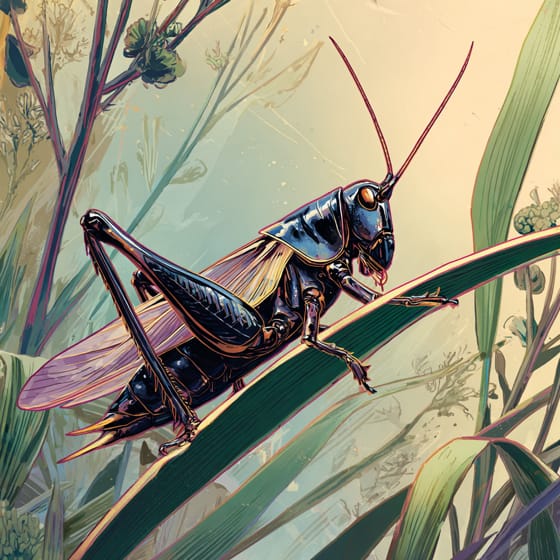
Gryllus assimilis
Devours various insects that come within reach.
Wildlife encompasses all undomesticated animal and plant life existing in their natural habitats.
Characterized by having toes connected by a membrane, typically aiding in swimming.
Gliding animals move through the air by launching themselves and maintaining flight with specialized body structures, without flapping wings.
This trait identifies organisms whose diet primarily consists of insects and other small invertebrates.

Freshwater habitats include non-saline aquatic environments such as rivers, lakes, ponds, and wetlands, vital for numerous species.

Nocturnal animals are primarily active during the nighttime hours, typically resting or sleeping during the day.
Danger
2/5 · Low
Look but don’t touch. Keep a safe distance and wash hands after exploring.
The easiest way to identify Budgett's Frog is to use the Snappit nature identifier app.
10-15 cm
0.1-0.25 kg
5-15 years
1 km/h
This frog eats nearly anything it can fit in its large mouth, from insects to other amphibians.
Ponds and swamps
Ambush
Zoom in to split clusters and explore where this object has been snapped.
Recent snaps will appear here as new observations are added.
Take the discovery with you
Snap it with Snappit to identify it, learn what makes it special, and add the discovery to your collection.









.JPG&width=800)



.jpg&width=800)

