

Devil Ray
Mobula spp.
Devil Rays are known for their unique shape and can leap out of the water! They are friendly and love to swim in groups.
Habitat: Open ocean
The Devil Ray has a diamond-shaped body with large, wing-like pectoral fins. Its back is typically dark grey or black, while its underside is white. Two horn-like cephalic fins extend forward from its mouth, making it easy to spot.
Category
FishRarity
Common
Danger
2/5 · Low
Snaps
Be the first to snap!
Devil rays are closely related to sharks, both having skeletons made of cartilage!
Sometimes, hundreds of Devil Rays gather and swim together in amazing groups called 'fevers'!
These ocean travelers can migrate thousands of kilometers across vast open waters each year!
They have the largest brain-to-body size ratio of all fish, making them super smart!
Devil Ray can filter huge amounts of water through its mouth to catch tiny plankton, helping it get plenty of food.
Devil Ray can leap high out of the water, possibly to shake off parasites or communicate with other rays.
Devil Ray has special horn-like fins that can funnel water and food into its mouth while it swims.
These gentle giants primarily filter tiny plankton and small fish directly from the ocean water.
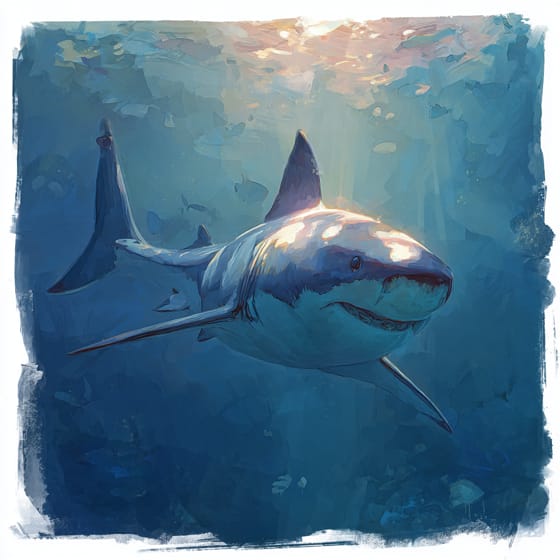
Carcharodon carcharias
Young rays can be hunted by large sharks.
Caligus mobulae
Tiny copepods can attach to their skin and gills.
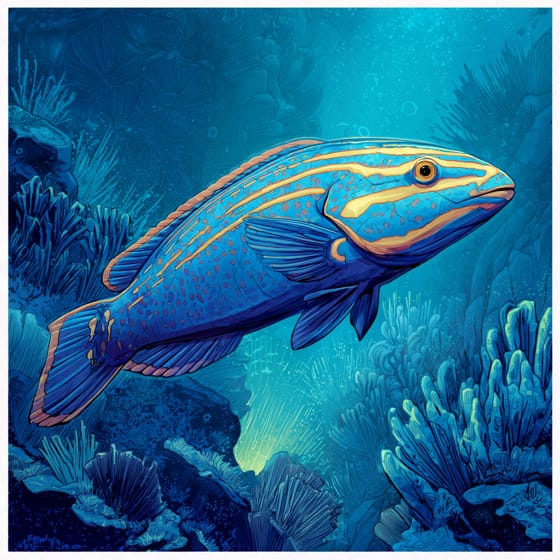
Labroides dimidiatus
Wrasse clean parasites from their skin and gills.
Wildlife encompasses all undomesticated animal and plant life existing in their natural habitats.
Social animals live in organized groups, cooperating for survival benefits such as foraging, defense, and raising offspring.
Filter feeders obtain nutrients by straining suspended food particles and small organisms from water.
Gliding animals move through the air by launching themselves and maintaining flight with specialized body structures, without flapping wings.

Piscivorous organisms are animals that primarily subsist on a diet of fish.

This trait identifies organisms that exhibit exceptional swiftness in movement for hunting, escape, or travel.

Aquatic habitats encompass environments where organisms live predominantly in water, including oceans, rivers, lakes, and wetlands.

Marine habitats encompass all saltwater environments of the Earth's oceans, supporting an immense diversity of aquatic life.
Danger
2/5 · Low
Watch quietly from a distance and never try to feed or chase wild animals.
100-520 cm
100-1000 kg
20-30 years
These gentle giants primarily filter tiny plankton and small fish directly from the ocean water.
20 km/h
Open ocean
Filter Feeding
500 m
Zoom in to split clusters and explore where this object has been snapped.
Recent snaps will appear here as new observations are added.