Vole
Microtus
Voles are small rodents that live in burrows underground. They have soft fur, short tails, and love to eat plants like grasses and seeds.
Habitat: Grasslands
The Vole is a small, stout rodent with a round body and short limbs. It typically has dull, earthy fur, ranging from brown to grey, and is distinguished by its short, hairy tail and small, partly hidden ears, making it look different from a mouse.
Category
MammalsRarity
Common
Danger
2/5 · Low
Snaps
Be the first to snap!
A female vole can get pregnant again just hours after giving birth to a litter!
Some voles create 'runways' through tall grass, like secret highways for speedy travel!
Voles can smell danger and find hidden food sources even under a thick blanket of snow!
Voles have teeth that never stop growing, which are constantly worn down by their chewing!
Vole can dig intricate tunnel systems because of strong claws and shovel-like front teeth that help them create shelter and food storage.
Vole has a super-fast reproductive cycle that helps ensure their survival against many predators by producing multiple litters each year.
Vole has dull, earthy fur that helps them blend perfectly into grasslands and woodlands, making it very hard for predators to spot them.
Voles munch on grasses, seeds, and roots, finding tasty plant meals and sometimes even insects!
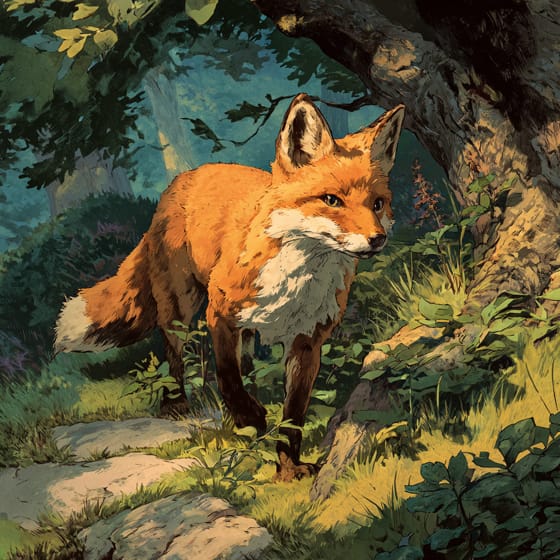
Vulpes vulpes
Voles are a common food source for foxes.
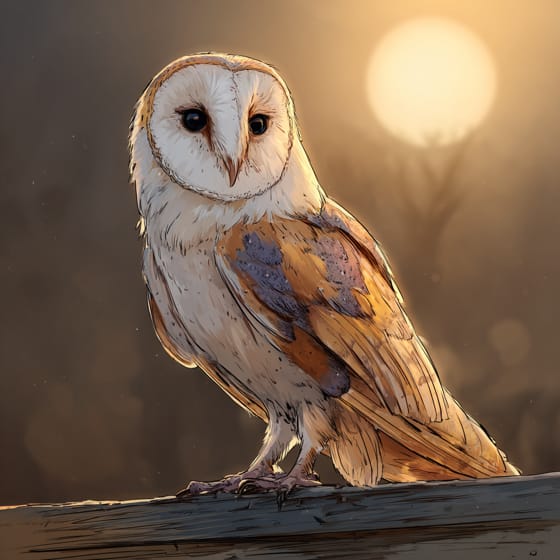
Tyto alba
Owls are major predators of voles.
Mustela nivalis
Weasels actively pursue voles in their burrows.

Poa pratensis
Voles consume the leaves and stems of this grass.
Wildlife encompasses all undomesticated animal and plant life existing in their natural habitats.
Furry describes animals possessing a dense covering of soft hair or fur.
Social animals live in organized groups, cooperating for survival benefits such as foraging, defense, and raising offspring.
Burrowing animals dig tunnels and chambers in the ground, using these subterranean structures for shelter, hunting, or breeding.

Grassland habitats are terrestrial biomes dominated by grasses and herbaceous plants, supporting a variety of grazing animals.

This trait characterizes organisms whose diet consists entirely or primarily of plant material.

Nocturnal animals are primarily active during the nighttime hours, typically resting or sleeping during the day.
Danger
2/5 · Low
Avoid touching wild voles as they may carry diseases. Enjoy watching them from a safe distance.
8-18 cm
0.02-0.07 kg
1-3 years
15 km/h
Voles munch on grasses, seeds, and roots, finding tasty plant meals and sometimes even insects!
Grasslands
Foraging
3-8
Zoom in to split clusters and explore where this object has been snapped.
Recent snaps will appear here as new observations are added.