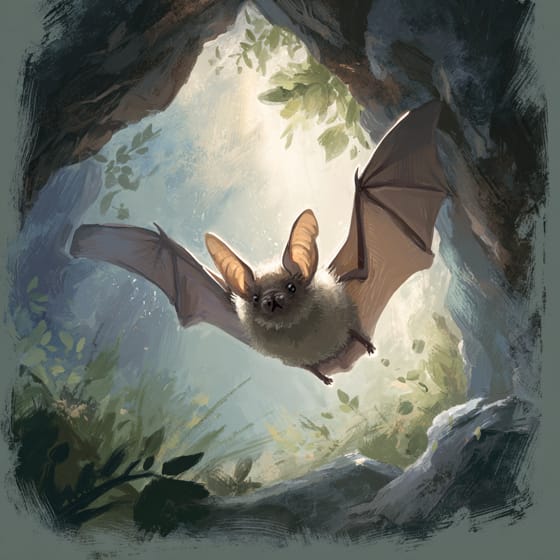





Horseshoe Bat
Rhinolophus ferrumequinum
Horseshoe bats are unique bats with large ears that look like horseshoes. They use echolocation to find insects to eat at night and roost in caves during the day.
Habitat: Cave Dwelling
The Horseshoe Bat has soft, fluffy brown-grey fur on its back and lighter, almost white fur on its belly. Its most distinctive feature is the complex, fleshy, horseshoe-shaped nose leaf surrounding its nostrils. It also has large, pointed ears.
Category
MammalsRarity
Common
Danger
2/5 · Low
Snaps
Be the first to snap!
A Horseshoe Bat can make over 100 echolocation calls every second when hunting!
Some individuals have been known to live for an amazing 30 years in the wild!
They emit echolocation calls from their nostrils, not their mouths, unlike most other bats!
They use their tail membrane like a net to catch flying insects in mid-air.
Horseshoe Bat can 'see' in the dark by sending out high-pitched squeaks and listening to their echoes with its specialized nose-leaf.
Horseshoe Bat has wide, leathery wings that help them fly very slowly and maneuver precisely through cluttered environments.
Horseshoe Bat can hang upside down by its strong feet, allowing it to rest safely and launch into flight easily.
These nocturnal hunters zip through the night, snatching up insects and creepy crawlies!

Strix aluco
A common predator often snatching bats from their roosts.
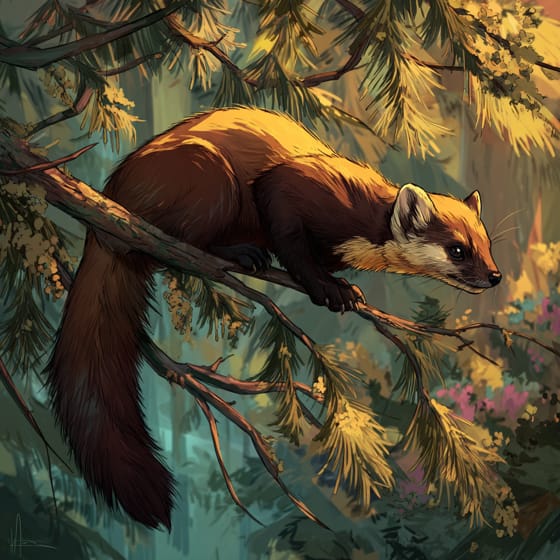
Martes martes
This agile mammal climbs into roosts to prey on hibernating bats.

Noctua pronuba
A common moth species that makes up a significant part of their diet.

Melolontha melolontha
These large, slow-flying beetles are easy targets for foraging bats.
Wildlife encompasses all undomesticated animal and plant life existing in their natural habitats.
Furry describes animals possessing a dense covering of soft hair or fur.
Social animals live in organized groups, cooperating for survival benefits such as foraging, defense, and raising offspring.
Cave dwelling describes organisms specifically adapted to live in underground cave systems, often exhibiting specialized traits due to lack of light.

This trait identifies organisms whose diet primarily consists of insects and other small invertebrates.
Echolocation is a biological sonar used by animals to navigate, hunt, and communicate by emitting sound waves and interpreting the echoes.

Describes a species whose presence and role have a disproportionately large effect on its environment.

Nocturnal animals are primarily active during the nighttime hours, typically resting or sleeping during the day.
Danger
2/5 · Low
Bats are shy animals, so it's best to watch them from a distance and not disturb them.
The easiest way to identify Horseshoe Bat is to use the Snappit nature identifier app.
5.7-7.1 cm
35-40 cm
0.013-0.034 kg
6-30 years
25 km/h
These nocturnal hunters zip through the night, snatching up insects and creepy crawlies!
Cave Dwelling
Zoom in to split clusters and explore where this object has been snapped.
Recent snaps will appear here as new observations are added.
Take the discovery with you
Snap it with Snappit to identify it, learn what makes it special, and add the discovery to your collection.




.jpg&width=800)



.JPG&width=800)



.jpg&width=800)
