Wild Oat Grass
Danthonia spicata
Wild Oat Grass is a tall grass that produces seeds that look like oats. It’s commonly found in fields and meadows!
Habitat: Fields and meadows
The Wild Oat Grass has slender, upright stems with sparse, narrow leaves that often curl at the tips. Its small, inconspicuous flowers are arranged in delicate, open clusters atop the stems, giving it a somewhat wispy appearance, typically greenish-purple when young, fading to tan.
Category
PlantsRarity
Common
Danger
1/5 · Very low
Snaps
Be the first to snap!
Despite its name, it's not closely related to the oats we eat for breakfast!
Its seeds have tiny hairs that help them stick to animals and spread far away!
Some insects actually hide inside its curly leaves to stay safe from predators.
This grass can grow in very poor soil, making it a super tough plant!
Wild Oat Grass can thrive in dry, poor soils where other plants struggle, using its tough roots to find scarce water.
Wild Oat Grass has tiny, lightweight seeds that are easily carried by wind, helping it spread quickly to new areas.
Its seeds can remain dormant in the soil for years, waiting for ideal conditions to sprout and grow.

Odocoileus virginianus
important forage, especially young growth
Melanoplus differentialis
feeds on its leaves and stems
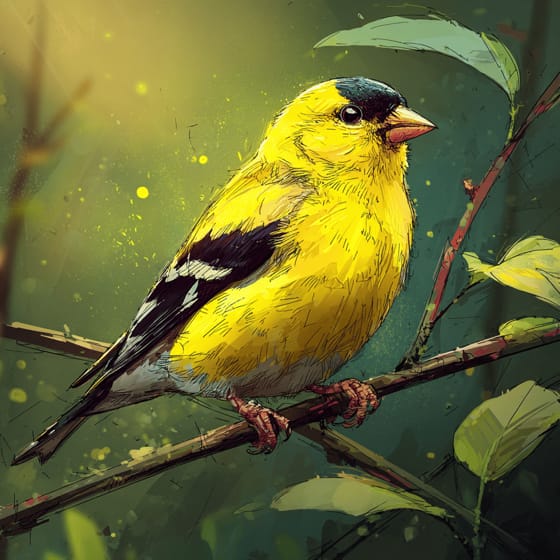
Spinus tristis
consumes its small, nutritious seeds
Puccinia coronata
can infect leaves and stems
Grass-like plants are herbaceous plants that visually resemble true grasses, typically having long, narrow leaves.
Shade tolerant plants are adapted to grow and thrive in areas with low light levels, requiring less direct sunlight.
Fruit-bearing plants produce fruits, which are the mature ovaries of flowering plants containing seeds.
Grassland habitats are terrestrial biomes dominated by grasses and herbaceous plants, supporting a variety of grazing animals.
Danger
1/5 · Very low
Explore with care and ask an adult if you’re unsure what to do.
20-70 cm
10-30 cm
0.5-1 cm
Late spring to summer
No
None
Perennial
Wind
Zoom in to split clusters and explore where this object has been snapped.
Recent snaps will appear here as new observations are added.