Wildcat
Felis silvestris
Wildcats are small, furry animals that live in forests and grasslands. They are very good at hiding and can be quite playful!
The Wildcat is a medium-sized feline, sturdier than a domestic cat, with thicker fur and a distinctive bushy tail ending in a blunt, black tip. Its coat varies from grey-brown to reddish, often displaying faint stripes or spots across its body and legs.
Category
MammalsRarity
Common
Danger
3/5 · Moderate
Snaps
Be the first to snap!
Each wildcat's stripes and spots are unique, like human fingerprints!
The Scottish Wildcat is one of the rarest mammals in the United Kingdom!
Wildcats are so wild, they rarely purr, growling and hissing instead!
Wildcats help keep rodent populations balanced in their ecosystems.
Wildcat can see incredibly well in the dark because of its large eyes and special reflective layer, helping it hunt prey at night.
Wildcat has soft padded paws and a flexible spine that help them move silently, surprising prey without a sound.
Wildcat can climb trees quickly thanks to sharp, retractable claws that provide excellent grip and balance.
A nimble hunter, the wildcat primarily feasts on small mammals and birds.
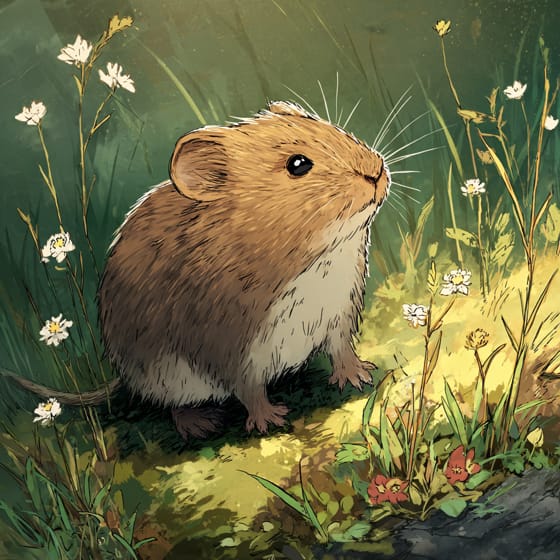
Microtus arvalis
Keeps rodent populations in check

Oryctolagus cuniculus
Preys on rabbits, especially juveniles
Canis lupus
Larger predators occasionally hunt wildcats
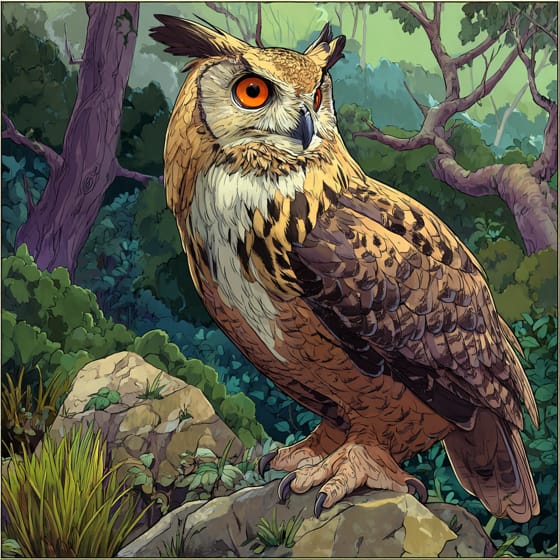
Bubo bubo
Large birds of prey can snatch kittens
Wildlife encompasses all undomesticated animal and plant life existing in their natural habitats.
Furry describes animals possessing a dense covering of soft hair or fur.
Solitary animals live alone for most of their lives, only interacting with others for mating or parental care.
An ambush predator hunts by patiently waiting and concealing itself, then launching a sudden attack when unsuspecting prey comes within range.

Forest habitats are terrestrial environments dominated by dense tree cover, supporting a high diversity of plant and animal life.

This trait identifies organisms whose diet consists entirely or primarily of animal tissue.

Nocturnal animals are primarily active during the nighttime hours, typically resting or sleeping during the day.
Danger
3/5 · Moderate
Wildcats are wild animals and should be admired from a distance. Always be careful and never approach them.
75-120 cm
2-8 kg
10-15 years
50 km/h
A nimble hunter, the wildcat primarily feasts on small mammals and birds.
Ambush
1-5
63-69 days
Zoom in to split clusters and explore where this object has been snapped.
Recent snaps will appear here as new observations are added.