





Mule
Equus asinus × Equus caballus
Mules are friendly animals that are a mix between a horse and a donkey. They are strong and can help carry heavy loads on farms.
The Mule is a hybrid animal, usually sporting a sturdy, muscular body with a horse-like rump and tail. They typically have longer ears than a horse but shorter than a donkey, with coats in shades of brown, grey, black, or bay. Their compact build and often stocky legs distinguish them visually from both parent species.
Category
MammalsRarity
Common
Danger
1/5 · Very low
Snaps
Be the first to snap!
Ancient Romans even bred mules for chariot racing, showing their speed and strength!
Mules are a unique mix of a donkey dad and a horse mom!
Their bray is a funny sound, a mix of a horse's whinny and a donkey's 'hee-haw'!
Unlike their parents, mules are almost always sterile and cannot have babies.
Mule can carry incredibly heavy loads because of its powerful muscles and strong skeletal structure, that helps them work hard.
Mule has incredibly strong, precise hooves and a natural balance, that helps them navigate steep, rocky, and uneven paths easily.
Mule can travel long distances without tiring easily because of its robust build and efficient stride, making them great for journeys.
Mules are plant-eaters that graze on grass, hay, and other fibrous plants to get their energy.
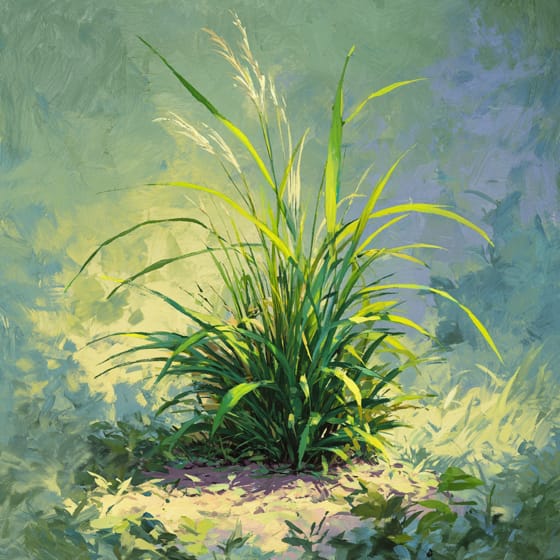
Poa pratensis
Mules graze on this common pasture grass for food.
Dactylis glomerata
This nutritious grass is a staple in a mule's diet.

Homo sapiens
Mules rely on humans for their breeding, care, and food.
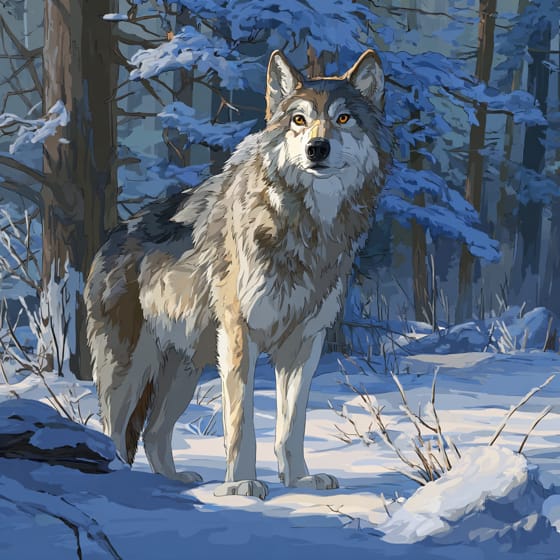
Canis lupus
In some regions, feral mules can be prey for wolves.
Wildlife encompasses all undomesticated animal and plant life existing in their natural habitats.
Furry describes animals possessing a dense covering of soft hair or fur.
Social animals live in organized groups, cooperating for survival benefits such as foraging, defense, and raising offspring.
Grassland habitats are terrestrial biomes dominated by grasses and herbaceous plants, supporting a variety of grazing animals.

This trait characterizes organisms whose diet consists entirely or primarily of plant material.

This trait signifies organisms belonging to a very old evolutionary group with ancestors dating back millions of years.

This trait characterizes organisms with an exceptionally long lifespan compared to others of their kind.
Danger
1/5 · Very low
Mules are gentle but can be big, so it's important to be calm and respectful around them.
The easiest way to identify Mule is to use the Snappit nature identifier app.
200-240 cm
250-600 kg
30-40 years
40 km/h
Mules are plant-eaters that graze on grass, hay, and other fibrous plants to get their energy.
Grazing
1
Zoom in to split clusters and explore where this object has been snapped.
Recent snaps will appear here as new observations are added.
Take the discovery with you
Snap it with Snappit to identify it, learn what makes it special, and add the discovery to your collection.




.jpg&width=800)



.JPG&width=800)

.jpg&width=800)
