






Canary Grass
Phalaris canariensis
Canary Grass is a tall grass that grows in wetlands. It has fluffy flower heads that look like little feathers!
Habitat: Wetlands and marshes
The Canary Grass has slender, upright stems and flat, pale green leaves. Its most distinctive feature is a dense, egg-shaped to cylindrical flower head that changes from green to a shiny golden-brown as seeds ripen.
Category
PlantsRarity
Common
Danger
1/5 · Very low
Snaps
Be the first to snap!
Ancient people once ground Canary Grass seeds to make flour for bread!
Its tiny seeds are a favorite super-snack for pet canaries and other small birds!
Some varieties are grown to help stop soil from washing away in heavy rain.
The plant's scientific name, Phalaris, means "shining" in ancient Greek!
Canary Grass can produce abundant, nutritious seeds that feed many birds and animals, ensuring its next generation.
Canary Grass has light, airborne pollen that helps it spread far and wide by wind, colonizing new areas.
Canary Grass can grow dense root systems that help prevent soil erosion during heavy rains, protecting the ground.
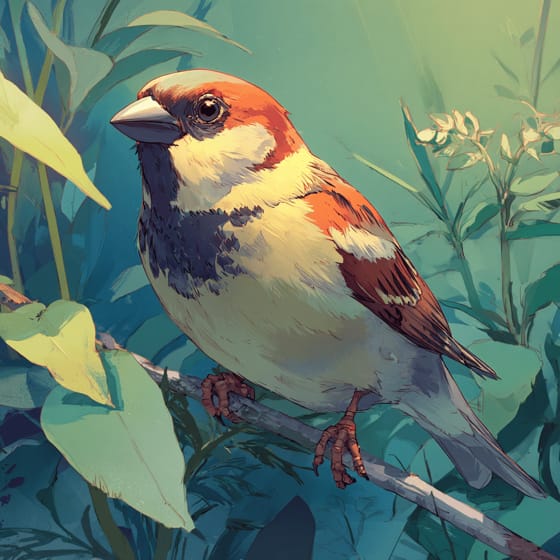
Passer domesticus
Wild sparrows love to eat its abundant seeds.
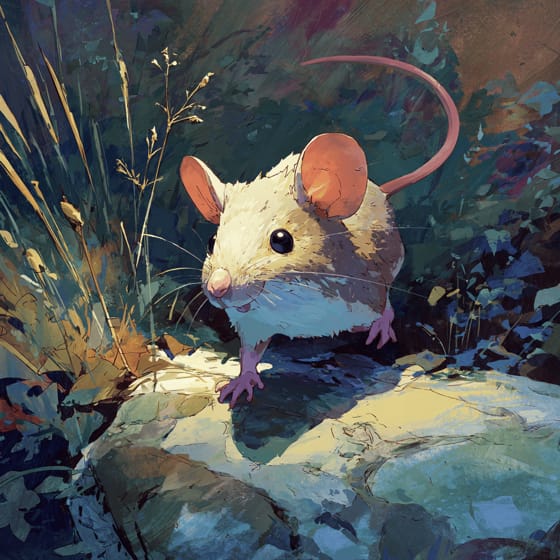
Mus musculus
Mice consume its nutritious seeds and foliage.
Puccinia coronata
This fungus causes rust disease on its leaves.
Grass-like plants are herbaceous plants that visually resemble true grasses, typically having long, narrow leaves.
Fruit-bearing plants produce fruits, which are the mature ovaries of flowering plants containing seeds.
Describes plants that are particularly attractive and beneficial to a wide range of pollinating organisms.
This habitat trait identifies species found in wetlands, which are areas of land saturated with water, either permanently or seasonally, including marshes, swamps, and bogs.
Danger
1/5 · Very low
Explore with care and ask an adult if you’re unsure what to do.
50-150 cm
15-30 cm
Summer
Yes
None
Annual
Wind
Wetlands and marshes
Zoom in to split clusters and explore where this object has been snapped.
Recent snaps will appear here as new observations are added.















