






Brazilian Wandering Spider
Phoneutria
The Brazilian Wandering Spider is a fascinating arachnid known for its speed and venomous bite. It roams the forest floor in search of prey, using its keen senses to hunt efficiently.
Habitat: Rainforest
The Brazilian Wandering Spider is typically large and hairy, with a body ranging from brown to grey. Some species show distinctive red fangs when agitated, making them stand out visually.
Category
InsectsRarity
Rare
Danger
5/5 · Extreme
Snaps
Be the first to snap!
Despite having eight eyes, they mostly hunt by sensing vibrations on the ground!
Some are called "banana spiders" because they hide in fruit and travel worldwide!
Their powerful venom is being studied by scientists, hoping to discover new medicines!
They are named "wandering" spiders because they actively hunt instead of building webs!
Brazilian Wandering Spider can deliver a powerful neurotoxic venom that helps them quickly subdue prey and deter predators effectively.
Brazilian Wandering Spider can actively hunt on the ground at night, using its speed and agility to pursue and capture its prey.
Brazilian Wandering Spider has a distinctive threat posture, raising its front legs, that warns potential attackers before striking.
A nocturnal hunter, it eats insects and small creatures it finds on the forest floor.
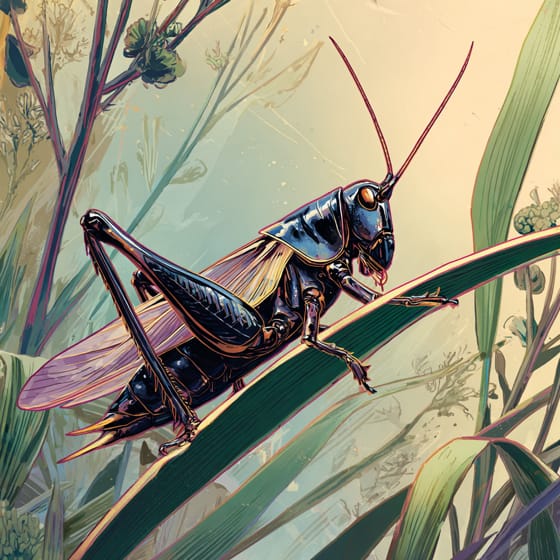
Gryllus assimilis
Actively hunts these common insects on the ground.
Eleutherodactylus coqui
Feeds on small amphibians it encounters at night.
Didelphis marsupialis
Nocturnal opossums may prey on these spiders.
Solitary animals live alone for most of their lives, only interacting with others for mating or parental care.
An ambush predator hunts by patiently waiting and concealing itself, then launching a sudden attack when unsuspecting prey comes within range.
This habitat trait refers to species found in tropical rainforests, characterized by high annual rainfall, high biodiversity, and dense tree cover.
This trait identifies organisms whose diet consists entirely or primarily of animal tissue.

Describes a species whose presence and role have a disproportionately large effect on its environment.

This trait identifies organisms that exhibit exceptional swiftness in movement for hunting, escape, or travel.

Nocturnal animals are primarily active during the nighttime hours, typically resting or sleeping during the day.

Venomous organisms produce toxins that are injected into another animal, typically through a bite or sting.
Danger
5/5 · Extreme
Avoid touching or approaching this spider in the wild. Always seek help if bitten.
17-48 mm
365-730 days
A nocturnal hunter, it eats insects and small creatures it finds on the forest floor.
Rainforest
Pursuit
8
Zoom in to split clusters and explore where this object has been snapped.
Recent snaps will appear here as new observations are added.














