Chipmunk
Tamias striatus
Chipmunks are small, striped rodents that collect seeds in their cheek pouches. They live in burrows underground.
Habitat: Forests, gardens, and parks.
The Chipmunk has distinctive reddish-brown fur with five dark stripes down its back, bordered by white or gray stripes. Its bushy tail is often held upright, and its small, alert eyes make it easily recognizable from squirrels.
Category
MammalsRarity
Common
Danger
2/5 · Low
Snaps
Be the first to snap!
A group of chipmunks is sometimes called a 'chattering' – how fitting for such vocal critters!
Chipmunks can hibernate, but they wake up often to eat from their stored food!
Chipmunks help forests grow by burying seeds that they forget to eat, planting new trees!
They use their tails as a counter-balance when climbing or running, just like an acrobat!
Chipmunks can stuff their huge cheek pouches with seeds and nuts, carrying snacks bigger than their heads!
Chipmunk can dig complex burrows with separate rooms for sleeping and storing food, keeping them safe and cozy.
Chipmunks have amazing agility and can climb trees or dart over rocks super fast to escape predators.
Chipmunks make a loud 'chip-chip' warning call to alert others when a predator is nearby, keeping their group safe.
Chipmunks are omnivores, munching on a variety of seeds, nuts, fruits, and even tiny insects.
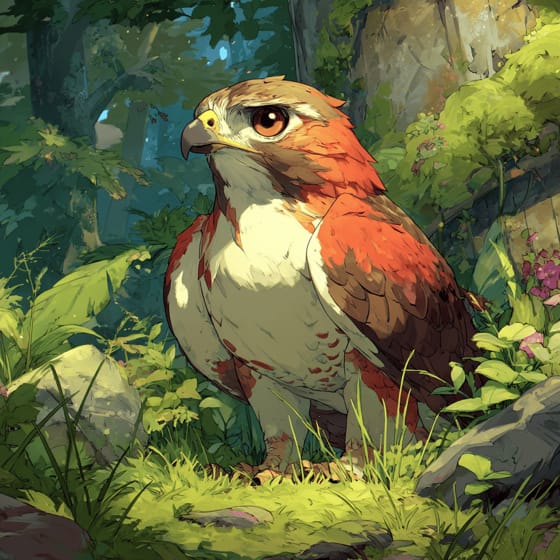
Buteo jamaicensis
A common aerial predator of chipmunks.
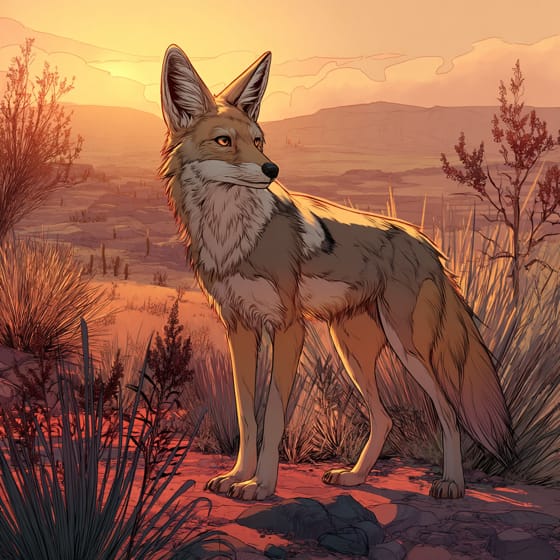
Canis latrans
Chipmunks are a small part of this larger predator's varied diet.
Thamnophis sirtalis
Young chipmunks can fall prey to these ground-dwelling snakes.
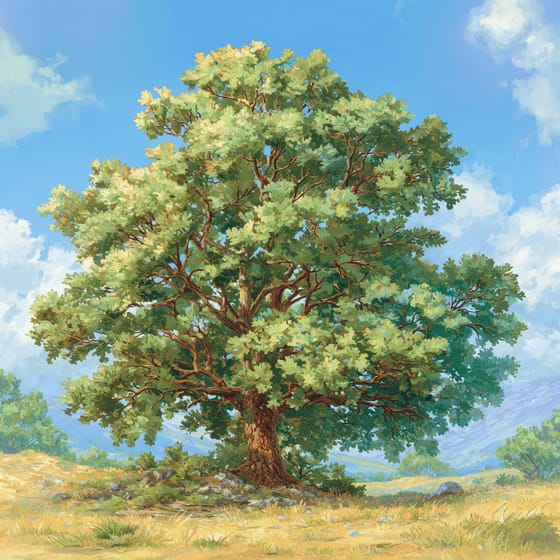
Quercus alba
Chipmunks rely on acorns from oak trees for food.
Wildlife encompasses all undomesticated animal and plant life existing in their natural habitats.
Furry describes animals possessing a dense covering of soft hair or fur.
Social animals live in organized groups, cooperating for survival benefits such as foraging, defense, and raising offspring.
Burrowing animals dig tunnels and chambers in the ground, using these subterranean structures for shelter, hunting, or breeding.

This trait characterizes organisms whose diet consists entirely or primarily of plant material.

Forest habitats are terrestrial environments dominated by dense tree cover, supporting a high diversity of plant and animal life.

Diurnal animals are primarily active during daylight hours, typically resting or sleeping at night.
No aliases listed yet.
Danger
2/5 · Low
Do not try to touch — they may bite if scared.
12-19 cm
0.05-0.15 kg
2-8 years
30 km/h
Chipmunks are omnivores, munching on a variety of seeds, nuts, fruits, and even tiny insects.
Forests, gardens, and parks.
Foraging
2-8
Zoom in to split clusters and explore where this object has been snapped.
Recent snaps will appear here as new observations are added.