





Bat
Chiroptera
Bats are amazing animals that can fly in the dark using echolocation. They sleep upside down in caves or trees during the day and come out at night to eat insects.
Habitat: Caves, Forests, Urban areas
The Bat has dark, leathery wings made of skin stretched between elongated finger bones, connecting to its body and legs. Its fur color varies, often being brown, black, or grey, while some tropical species have vibrant orange or yellow markings. Many bats have small eyes and large, distinctive ears that can be funnel-shaped or leaf-like.
Category
MammalsRarity
Common
Danger
2/5 · Low
Snaps
Be the first to snap!
Bats hang upside down to rest and launch into flight easily!
Some bats migrate thousands of miles each year for food!
The world's smallest bat weighs less than a penny!
Vampire bats are the only mammals that drink blood!
Bat can 'see' in the dark using echolocation because of high-pitched squeaks and large ears that help them map their surroundings.
Bat has specialized wings, made of thin, elastic skin, that help them fly through the air with incredible agility and speed at night.
Bat has strong thumb claws that help them hang upside down from cave ceilings or tree branches, or even climb around.
Most bats are insect-eaters, but some enjoy fruit nectar or even tiny fish!
Age differences: Young bats drink milk from their mother; adults consume specific diets based on their species.
Anopheles gambiae
Insectivorous bats consume vast numbers of these.
Ceiba pentandra
Fruit bats are vital pollinators for its flowers at night.
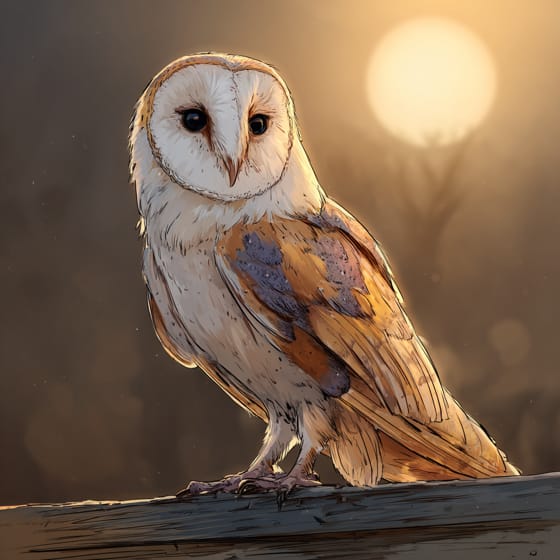
Tyto alba
These owls are known predators of various bat species.
Agave tequilana
Mexican long-nosed bats are key pollinators for its survival.
Social animals live in organized groups, cooperating for survival benefits such as foraging, defense, and raising offspring.
Aerial creatures spend a significant portion of their lives airborne, utilizing flight for various activities such as hunting, migration, or nesting.
Cave dwelling describes organisms specifically adapted to live in underground cave systems, often exhibiting specialized traits due to lack of light.
This trait identifies organisms whose diet primarily consists of insects and other small invertebrates.

Describes a relationship between two different species where they live in close association, often benefiting one or both.

This trait signifies organisms belonging to a very old evolutionary group with ancestors dating back millions of years.
Echolocation is a biological sonar used by animals to navigate, hunt, and communicate by emitting sound waves and interpreting the echoes.

Nocturnal animals are primarily active during the nighttime hours, typically resting or sleeping during the day.
Danger
2/5 · Low
Bats are shy and usually won't bother you. It's best to admire them from a distance.
The easiest way to identify Bat is to use the Snappit nature identifier app.
2.9-160 cm
15-180 cm
0.002-1.6 kg
5-40 years
160 km/h
Most bats are insect-eaters, but some enjoy fruit nectar or even tiny fish!
Caves, Forests, Urban areas
Zoom in to split clusters and explore where this object has been snapped.
Recent snaps will appear here as new observations are added.

Nebraska, US
You might spot Great White Shark, Penguin, and Sea Lion.
View guide →

New York, US
You might spot Sea Lion, Red Panda, and North American River Otter.
View guide →

Bavaria, DE
You might spot Polar Bear, Giraffes, and Asian Elephant.
View guide →

California, US
You might spot Bottlenose Dolphin, Great White Shark, and Tiger.
View guide →

Spain, ES
You might spot Penguin, Ant, and Sea Lion.
View guide →

Hawaii, US
You might spot Bottlenose Dolphin, Sea Lion, and Sea Turtle.
View guide →
Take the discovery with you
Snap it with Snappit to identify it, learn what makes it special, and add the discovery to your collection.




.jpg&width=800)




.JPG&width=800)



.jpg&width=800)
