




Wasp
Agathis (wasp)
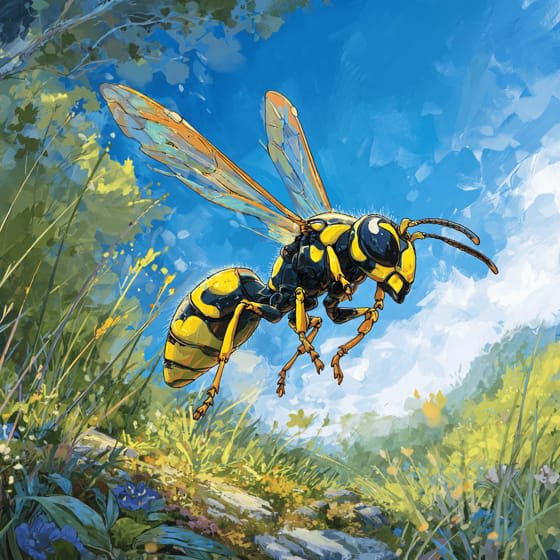
Wasps are long, slender insects that can be found buzzing around. Some help pollinate, while others hunt for food.
Habitat: Gardens and forests
The Wasp typically has a slender body with a distinct narrow waist, often sporting bright yellow and black stripes. Its smooth, less hairy body and pointed abdomen help distinguish it from fuzzy bees.
Category
InsectsRarity
Common
Danger
3/5 · Moderate
Snaps
Be the first to snap!
Many adult wasps sip nectar, but their babies only eat meat!
Some tiny wasps are smaller than the eye of a needle!
There are over 100,000 different kinds of wasps in the world!
Wasps communicate with each other using special chemical smells!
Wasp can deliver a painful sting because of a specialized needle-like ovipositor that helps them defend or paralyze prey.
Wasp can build intricate nests from chewed wood pulp or mud, creating safe homes for their colonies or offspring.
Wasp can control insect populations by hunting other arthropods that helps keep gardens and crops healthy.
Adult wasps love sugary treats like nectar, while their growing larvae feast on insects or spiders.
Age differences: Yes, adults primarily consume carbohydrates, while larvae require protein from prey captured by adults.
Manduca sexta
Many wasp larvae develop inside hornworm caterpillars.
Daucus carota
Adult wasps feed on nectar and spread pollen between flowers.
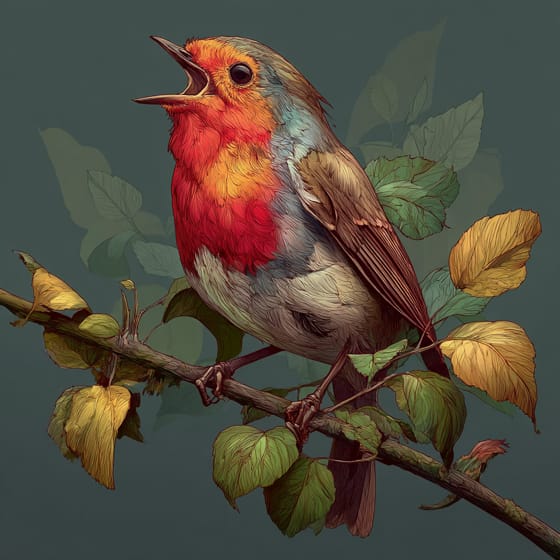
Turdus migratorius
Some birds frequently prey on adult wasps.
Pieris rapae
Wasps often capture caterpillars to feed their young.
Wildlife encompasses all undomesticated animal and plant life existing in their natural habitats.
Social animals live in organized groups, cooperating for survival benefits such as foraging, defense, and raising offspring.
This trait identifies organisms whose diet includes both plant and animal matter.
Colorful describes organisms or objects displaying a wide range of bright and distinct colors.

Forest habitats are terrestrial environments dominated by dense tree cover, supporting a high diversity of plant and animal life.
Danger
3/5 · Moderate
Do not touch or pick up. Some insects sting or bite. Ask an adult for help.
10-80 mm
5-40 mm
30-365 days
20 km/h
Adult wasps love sugary treats like nectar, while their growing larvae feast on insects or spiders.
Gardens and forests
Foraging
6
Zoom in to split clusters and explore where this object has been snapped.
Recent snaps will appear here as new observations are added.