





Garden Tiger Moth
Arctia caja
The Garden Tiger Moth is a fuzzy moth with striking orange and black markings. It loves to fly around gardens at night!
Habitat: Gardens and fields
The Garden Tiger Moth has striking forewings, typically brownish with creamy white lines, that hide vibrant orange or red hindwings dotted with bold black spots. Its body is noticeably hairy, giving it a fuzzy appearance. This bold pattern makes it easily distinguishable from other moths.
Category
InsectsRarity
Common
Danger
2/5 · Low
Snaps
3
It flies mainly at night, navigating by the light of the moon and stars!
Its furry body helps it stay warm when flying on cool summer nights!
Its super-hairy caterpillar can survive freezing solid during winter!
This fuzzy moth uses its bold colors to warn hungry birds to stay away!
Garden Tiger Moth has vibrant hindwings that help them warn predators of their toxicity when disturbed.
Garden Tiger Moth can release foul-tasting compounds because they help them deter predators from eating them.
Garden Tiger Moth can produce clicking sounds that help them jam the sonar of hunting bats.
Garden Tiger Moth caterpillars can survive freezing solid in winter that helps them endure cold climates.
Its fuzzy caterpillars munch on leaves, but grown-up moths prefer not to eat at all!
Age differences: Caterpillars are herbivores, feeding on a variety of low-growing plants, while adults typically do not feed or occasionally sip nectar.
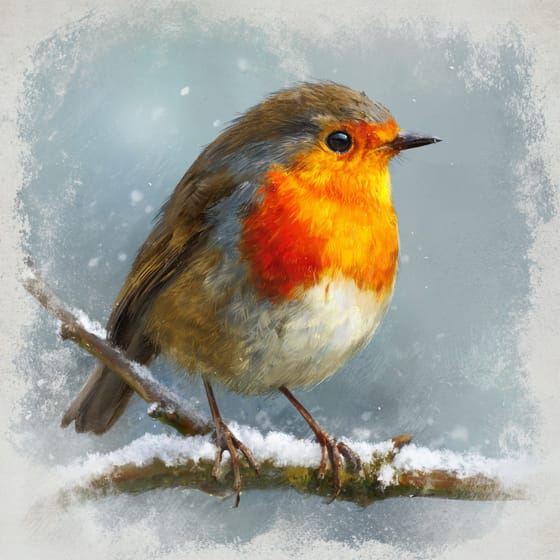
Erithacus rubecula
Birds, especially robins, prey on the moth.
Pipistrellus pipistrellus
Bats are key nocturnal predators of adult moths.
Urtica dioica
Caterpillars feed on the leaves of this plant.

Taraxacum officinale
A common food source for Garden Tiger Moth caterpillars.
Wildlife encompasses all undomesticated animal and plant life existing in their natural habitats.
Social animals live in organized groups, cooperating for survival benefits such as foraging, defense, and raising offspring.
Camouflaged describes organisms that possess coloring or patterns that allow them to blend into their environment.
This trait characterizes organisms whose diet consists entirely or primarily of plant material.

This trait signifies organisms belonging to a very old evolutionary group with ancestors dating back millions of years.

This habitat trait indicates species that can coexist with humans in urban and suburban environments, utilizing man-made structures and green spaces.

Nocturnal animals are primarily active during the nighttime hours, typically resting or sleeping during the day.

Describes organisms that transfer pollen, enabling the fertilization and reproduction of plants.
Danger
2/5 · Low
Do not touch or pick up. Some insects sting or bite. Ask an adult for help.
The easiest way to identify Garden Tiger Moth is to use the Snappit nature identifier app.
45-65 mm
25-35 mm
7-14 days
Its fuzzy caterpillars munch on leaves, but grown-up moths prefer not to eat at all!
Gardens and fields
Foraging
6
Zoom in to split clusters and explore where this object has been snapped.

Östergötland County, SE
You might spot Tiger, Gorilla, and Bottlenose Dolphin.
View guide →

Wyoming, US
You might spot Killdeer, American Kestrel, and Northern Flicker.
View guide →

Minnesota, US
You might spot Eastern White Pine, Ruffed Grouse, and Northern Pin Oak.
View guide →
Take the discovery with you
Snap it with Snappit to identify it, learn what makes it special, and add the discovery to your collection.









.jpg&width=800)




