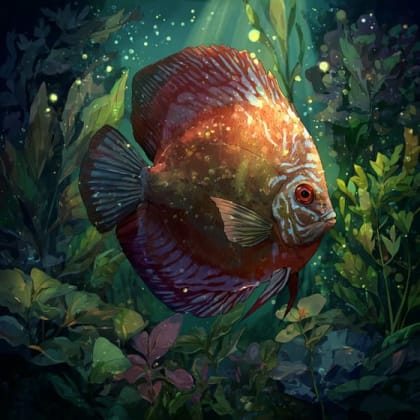
Pacific Cod
Gadus macrocephalus
Pacific Cod are similar to Atlantic Cod but live in the Pacific Ocean. They are also strong swimmers and have a tasty flavor.
Habitat: Cold Pacific Ocean
The Pacific Cod has a mottled brown to grey-green body with a pale belly, helping it blend into the seafloor. It has three distinct dorsal fins and two anal fins, plus a prominent whisker-like barbel on its chin.
Category
FishRarity
Common
Danger
2/5 · Low
Snaps
Be the first to snap!
Instead of ears, Pacific Cod uses special internal ear-stones to sense sounds and vibrations.
Pacific Cod lays millions of tiny eggs, yet only a few will grow up to be adults!
Their powerful jaws can open incredibly wide, letting them swallow prey almost as big as themselves!
They are 'demersal' fish, meaning they spend most of their lives lurking near the ocean floor!
Pacific Cod has a mottled body pattern that helps them blend perfectly with rocky seafloors, hiding from predators and prey.
Pacific Cod has a sensitive chin barbel that helps them feel for food in dark or murky waters, like a built-in detector.
Pacific Cod can thrive in very cold ocean temperatures because of specialized proteins in their blood preventing freezing.
A fierce hunter, Pacific Cod eats other fish and crustaceans found on the seafloor.
Age differences: Young cod eat smaller crustaceans; adults hunt larger fish and squid.
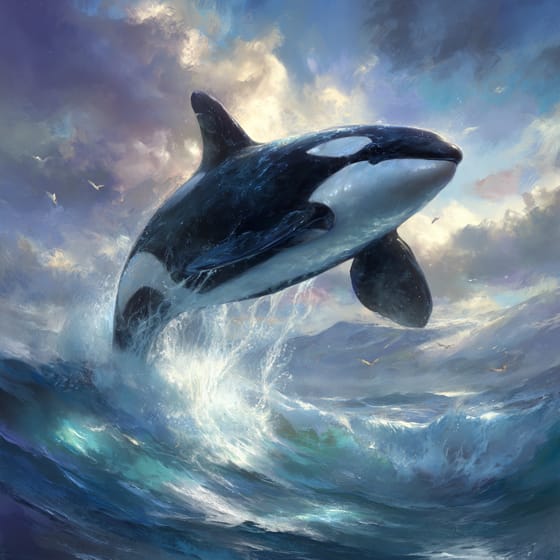
Orcinus orca
Orcas are powerful apex predators of the Pacific.
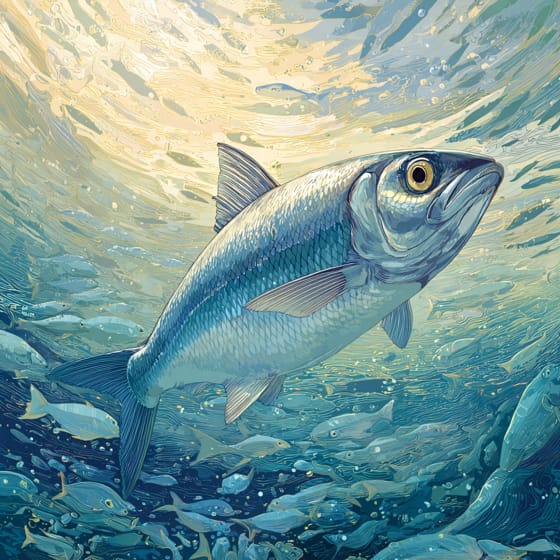
Clupea pallasii
Cod are major predators of schooling fish.
Chionoecetes bairdi
They actively prey on crabs and other crustaceans.
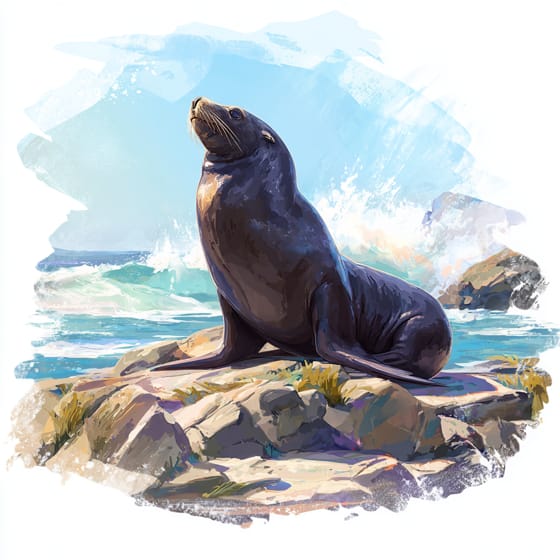
Eumetopias jubatus
Sea lions frequently dive deep to catch cod.
Wildlife encompasses all undomesticated animal and plant life existing in their natural habitats.
Piscivorous organisms are animals that primarily subsist on a diet of fish.
Aquatic habitats encompass environments where organisms live predominantly in water, including oceans, rivers, lakes, and wetlands.
Marine habitats encompass all saltwater environments of the Earth's oceans, supporting an immense diversity of aquatic life.

Migratory animals undertake seasonal movements from one region to another, typically in response to changes in climate or food availability.
Danger
2/5 · Low
Watch quietly from a distance and never try to feed or chase wild animals.
50-120 cm
2-22 kg
10-18 years
A fierce hunter, Pacific Cod eats other fish and crustaceans found on the seafloor.
15 km/h
Cold Pacific Ocean
Ambush
900 m
Zoom in to split clusters and explore where this object has been snapped.
Recent snaps will appear here as new observations are added.