


Pine Bolete
Boletus pinophilus
The Pine Bolete is a delicious mushroom that loves to grow under pine trees. It's a favorite for mushroom hunters!
Habitat: Pine forests
The Pine Bolete has a large, robust cap, typically reddish-brown to dark brown, often with a velvety texture that can crack with age. Its thick, club-shaped stem is whitish to brownish, covered with a distinct net-like pattern (reticulation), especially towards the top. When cut, its firm, white flesh usually does not change color.
Category
FungiRarity
Common
Danger
1/5 · Very low
Snaps
Be the first to snap!
It smells distinctly earthy, sometimes even like sourdough bread!
Its cap can grow larger than a dinner plate, making it very noticeable!
Pine Boletes can form an underground 'superhighway' for nutrients to trees.
This mushroom is prized by chefs, often called a 'King Bolete of Pines'.
Pine Bolete can share vital nutrients with pine trees because its fungal network connects directly to their roots.
Pine Bolete has a hidden mycelial network that helps break down organic matter, enriching the forest soil.
Pine Bolete can absorb and store a surprising amount of water in its spongy cap, especially after heavy rain.
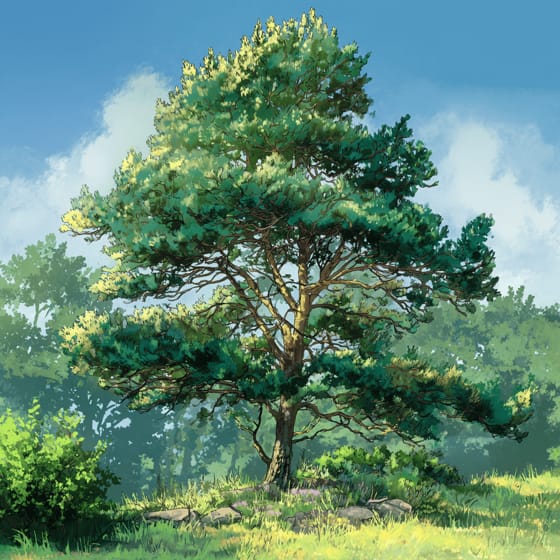
Pinus sylvestris
Exchanges nutrients via its root system.
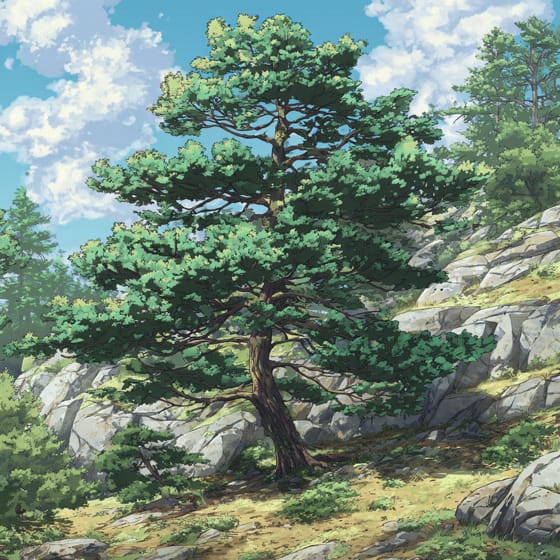
Pinus nigra
Forms a crucial underground nutrient partnership.
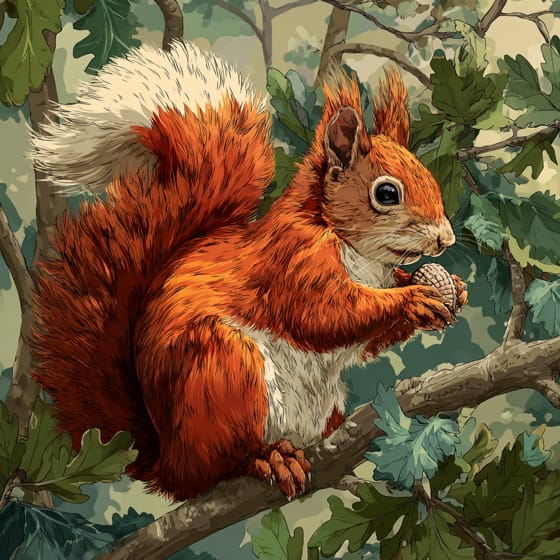
Sciurus vulgaris
Squirrels forage for these mushrooms, especially in autumn.
Arion rufus
Slugs and snails often munch on the fleshy cap.
Coniferous plants are typically evergreen, bearing needles or scales and reproductive cones.
Spore-producing organisms reproduce by releasing small, often single-celled, reproductive units called spores.
Edible plants are those parts of a plant that are considered safe for human consumption.
Forest habitats are terrestrial environments dominated by dense tree cover, supporting a high diversity of plant and animal life.
Danger
1/5 · Very low
Do not pick or eat anything you find. Some plants and mushrooms can be harmful.
8-25 cm
edible
7-30 cm
Pine forests
soil
Summer to fall
Olive-brown
Zoom in to split clusters and explore where this object has been snapped.
Recent snaps will appear here as new observations are added.