Slippery Jacks
suillus
Slippery Jacks are fun and colorful mushrooms that can be found in forests! They have a slimy cap that makes them look super cool and slippery!
Habitat: Slippery Jacks live in moist, shady areas of forests, usually near pine trees.
The Slippery Jacks has a cap that is typically yellowish-brown to dark brown, often very sticky and slimy, especially when wet. Underneath, it has bright yellow pores instead of gills, and a distinct ring on its stalk that can be purplish-brown.
Category
FungiRarity
Common
Danger
1/5 · Very low
Snaps
Be the first to snap!
Its super-sticky cap can feel like sticky tape after a rain shower!
Slippery Jacks can quickly appear in large groups after warm, rainy weather!
Some people peel off its slippery cap skin before cooking and eating it.
This mushroom only grows near certain pine trees, helping them share food.
Slippery Jacks can produce a super-slippery slime because it helps protect their caps from drying out and hungry insects.
Slippery Jacks has a special connection with pine trees that helps them share nutrients underground, helping both grow strong.
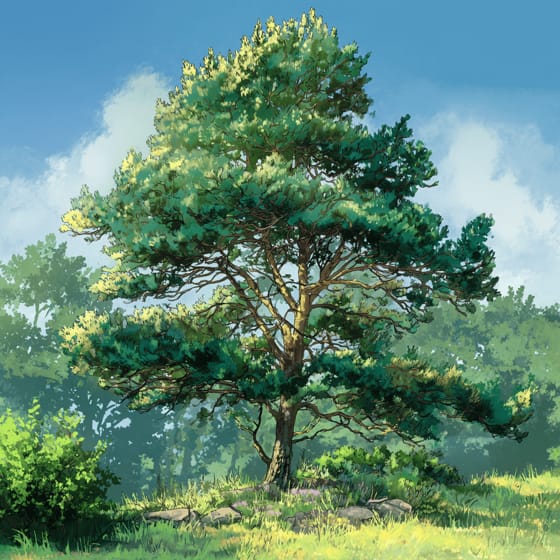
Pinus sylvestris
Shares nutrients in a special underground partnership.
Sciurus vulgaris
A tasty snack for squirrels foraging in the forest.
Arion ater
Slugs sometimes munch on the caps and stalks.
Solitary animals live alone for most of their lives, only interacting with others for mating or parental care.
Colorful describes organisms or objects displaying a wide range of bright and distinct colors.
Edible plants are those parts of a plant that are considered safe for human consumption.
Describes organisms that break down dead organic material, recycling nutrients back into the ecosystem.

Forest habitats are terrestrial environments dominated by dense tree cover, supporting a high diversity of plant and animal life.
Danger
1/5 · Very low
Always ask an adult before touching or eating mushrooms.
4-12 cm
edible
5-15 cm
Slippery Jacks live in moist, shady areas of forests, usually near pine trees.
soil
Fall
Olive-brown
Zoom in to split clusters and explore where this object has been snapped.
Recent snaps will appear here as new observations are added.