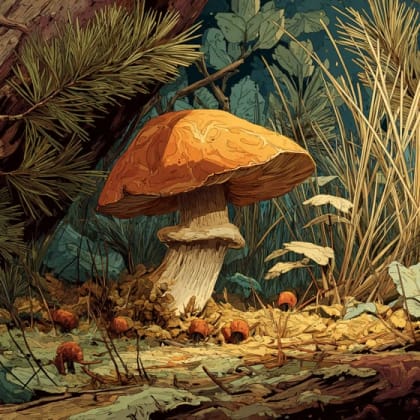





Slippery Jacks

Browne Lake Provincial Park, nestled amidst the stunning landscapes of British Columbia, offers a tranquil retreat into nature, where lush forests meet calm waters.
Browne Lake Provincial Park, nestled amidst the stunning landscapes of British Columbia, offers a tranquil retreat into nature, where lush forests meet calm waters. Established to protect the Interior Douglas-fir-Montane Spruce transition forest, this park is a haven for those seeking low-intensity recreational activities and a deep connection with the natural world. It's a place where the air is fresh, the scenery is captivating, and the opportunities for quiet reflection and appreciation of diverse flora abound.
The park is characterized by its significant Interior Douglas fir habitat and features a beautiful lake that beckons anglers, swimmers, and canoeists alike. While exploring, visitors can discover a rich tapestry of plant life, including the delicate western columbine, the elegant mountain lady's-slipper, and the towering western redcedar. The surrounding forest is home to various species such as thimbleberry, pearly everlasting, and the vibrant Canadian bunchberry, while the wetland areas might reveal broadleaf cattail and the intriguing Western Rattlesnake Plantain.
Whether you're an avid hiker, a keen photographer, or simply in search of a peaceful escape, Browne Lake Provincial Park promises a memorable experience. The park's emphasis on nature study and hiking provides ample opportunity to observe local flora and fauna in their natural setting. With its serene lake and protected forest, it's a perfect destination to unwind, capture breathtaking natural beauty, and immerse yourself in the quiet grandeur of British Columbia's wilderness, making it an ideal spot for families and wildlife enthusiasts alike. Take the ultimate field guide with you: use the Snappit app to identify birds, plants, and animals on your trip.
Browne Lake Provincial Park was officially established on May 20, 2004, through an Order-in-Council. Its primary purpose was to safeguard the unique Interior Douglas-fir-Montane Spruce transition forest ecosystem. The park, spanning 47 hectares, is situated adjacent to the Browne Lake Ecological Reserve, which was established much earlier in 1973. The ecological reserve, covering 114 hectares, predates the provincial park and was created to protect a wet meadow ecosystem and its surrounding forest within the Interior Cedar Hemlock zone. Together, the park and the ecological reserve form a protected area totaling 161 hectares, complementing each other by preserving different aspects of the local ecosystem, with the park protecting the lower slopes and the reserve focusing on the wet meadow and upper slopes.
Engage in low-intensity recreational activities such as nature study, hiking, swimming in the lake, canoeing, kayaking, and trout fishing (with specific regulations). Observe the lush forest with its western redcedar and a variety of undergrowth plants like thimbleberry and Canadian bunchberry. Keep an eye out for the unique Western Rattlesnake Plantain.
Spring: Witness the emergence of wildflowers like western columbine and mountain lady's-slipper.
Summer: Enjoy warm weather for swimming and boating, with lush vegetation.
Autumn: Experience vibrant fall colors in the forest.
Winter: The park is accessible but activities are limited due to snow and cold; cell service may be limited or unavailable.
The park is primarily suited for low-intensity activities. While there is a recreational camping site with outhouses, fire rings, and picnic tables, specific information on paved trails or wheelchair accessibility is not readily available, suggesting limited features for these needs. Access to the park is via forest service roads, which may be gravel.
Browne Lake itself, perfect for swimming, canoeing, kayaking, and trout fishing.
Hiking and horseback riding trails through the Interior Douglas-fir-Montane Spruce transition forest.
Wildlife and plant observation opportunities, especially the diverse array of wildflowers and forest species.
Each card links to a full Explore page with photos, traits, and fun facts.
Start with the big picture, then zoom in to explore individual wildlife observations around this place.
Pack in, Pack out
Browne Lake Provincial Park is user-maintained, so remember to take all your garbage with you to preserve its natural beauty.
Bring your own water
Potable water is generally not available, so be sure to bring enough for your visit.
Leash your pets
If visiting with pets, ensure they are on a leash at all times, and be prepared to dispose of their waste responsibly.
Check fishing regulations
If you plan to fish, be aware that Browne Lake has specific regulations, including a daily quota for rainbow trout and a bait ban, allowing only artificial flies on single barbless hooks. No fishing is allowed between December 1 and April 30.
Be prepared for limited cell service
Cell service may be limited or unavailable in many areas of the park, so plan accordingly and carry emergency supplies.
Stay on designated trails
To protect plant life and soil structure, obey posted signs and keep to designated trails when hiking or horseback riding.
Jul 12, 2024

Maryland, US
You might spot White-Tailed Deer and Eastern Gray Squirrel.
View guide →
.jpg)
District of Columbia, US
You might spot Eastern Gray Squirrel, Duck, and House Sparrow.
View guide →

Illinois, US
You might spot American Robin, Canada Goose, and House Sparrow.
View guide →

Virginia, US
You might spot Spotted Lanternfly and Northern Cardinal.
View guide →
Take the discovery with you
Identify the wildlife you spot, learn as you go, and keep a collection of the adventure.



