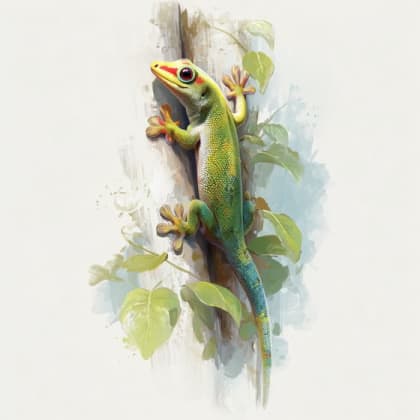
Chameleon
Chamaeleo chamaeleon
Chameleons are famous for their ability to change colors! They use this skill to blend in with their surroundings and communicate with other chameleons.
Habitat: Forests, savannas, and deserts
The Chameleon has bulbous, independently moving eyes and a prehensile tail. Its often vibrant skin can rapidly shift colors, displaying greens, browns, and yellows. Distinctive fused toes and a unique casque or crest on its head make it easily recognizable.
Category
ReptilesRarity
Common
Danger
2/5 · Low
Snaps
Be the first to snap!
Chameleons have special pincer-like feet to grip branches super tightly.
Some chameleons are born live, not from eggs, which is rare for reptiles!
The smallest chameleon can fit on your fingernail, but the largest can be over two feet long!
Their eyelids are fused, leaving only a small pinhole for them to see through.
Chameleon can shoot its super-long, sticky tongue out incredibly fast to snatch unsuspecting insects.
Chameleon has independently moving eyes that allow it to look in two different directions at once, scanning for food and danger.
Chameleon can rapidly change its skin color to camouflage with surroundings or communicate feelings to other chameleons.
Chameleons mostly eat insects, ambushing them with their long, sticky tongues.
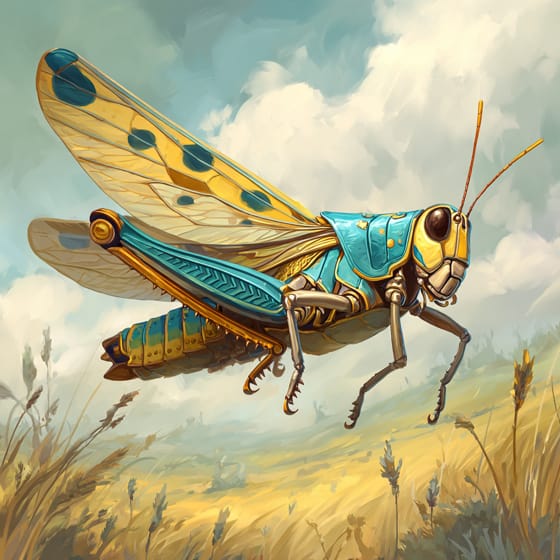
Locusta migratoria
A primary food source for many chameleon species across their range.
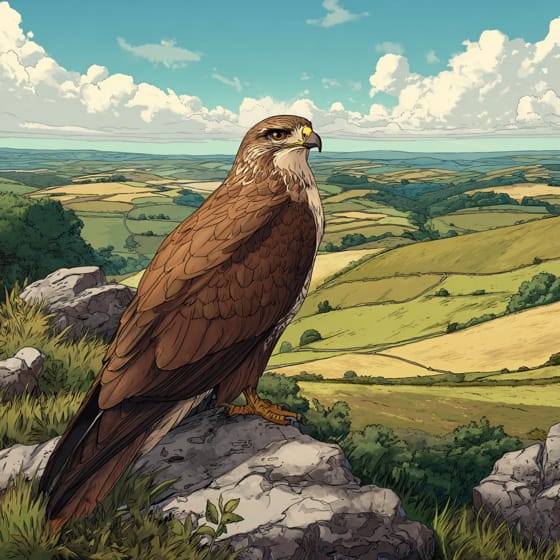
Buteo buteo
Birds of prey often hunt chameleons, snatching them from branches.
Telescopus fallax
Snakes are common predators of chameleons, including their eggs.
Arboreal animals live primarily in trees, utilizing them for shelter, food, and protection from predators.
Camouflaged describes organisms that possess coloring or patterns that allow them to blend into their environment.
Colorful describes organisms or objects displaying a wide range of bright and distinct colors.
This trait identifies organisms whose diet primarily consists of insects and other small invertebrates.

Thermoregulating organisms maintain a stable internal body temperature despite fluctuations in the external environment.

This trait describes organisms that manipulate external objects to achieve a specific goal.

This habitat trait denotes species native to savannas, which are grasslands with scattered trees, typically found in tropical or subtropical regions with distinct wet and dry seasons.

An ambush predator hunts by patiently waiting and concealing itself, then launching a sudden attack when unsuspecting prey comes within range.

Forest habitats are terrestrial environments dominated by dense tree cover, supporting a high diversity of plant and animal life.

Diurnal animals are primarily active during daylight hours, typically resting or sleeping at night.

Regenerative organisms possess the ability to regrow lost or damaged body parts, tissues, or organs.
Danger
2/5 · Low
Look but don’t touch. Keep a safe distance and wash hands after exploring.
10-60 cm
0.01-0.5 kg
2-10 years
2 km/h
Chameleons mostly eat insects, ambushing them with their long, sticky tongues.
Forests, savannas, and deserts
Ambush
10-80
Zoom in to split clusters and explore where this object has been snapped.
Recent snaps will appear here as new observations are added.