




Common Buzzard
Buteo buteo
The Common Buzzard is a large bird that can often be seen soaring in the sky! It has a mix of brown and white feathers that help it blend in with its surroundings.
Habitat: Fields, forests, and hills
The Common Buzzard is a medium-sized raptor with broad, rounded wings and a relatively short tail. Its plumage is highly variable, typically mottled brown with lighter undersides and a dark trailing edge on its wings, distinguishing it from falcons by its stockier build.
Category
BirdsRarity
Common
Danger
2/5 · Low
Snaps
15
Buzzards build large nests high in trees or on rocky cliffs!
Sometimes they even walk on the ground to catch juicy worms!
Their 'mewing' call sounds just like a cat begging for food!
They are often seen sitting on fence posts, waiting patiently for prey.
Common Buzzards can soar effortlessly on thermal currents because this saves energy while they search for food below.
The Common Buzzard has incredible vision that helps them spot tiny prey from very high up in the sky.
Common Buzzards can drop silently from a perch because their soft feathers allow for noiseless flight to surprise prey.
Common Buzzards are skilled hunters who eat small mammals, birds, reptiles, and even insects.
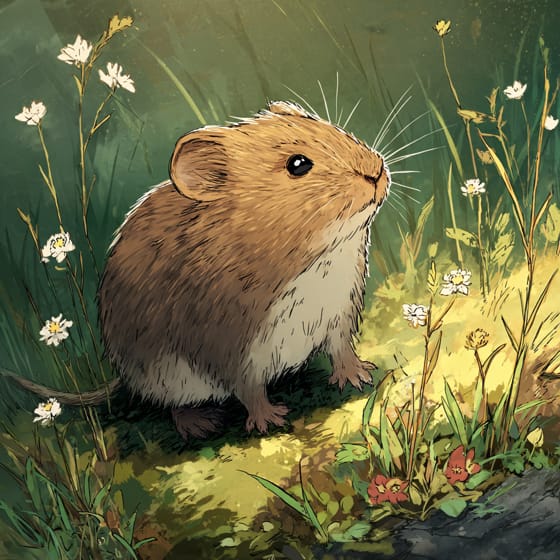
Microtus arvalis
A very important food source for buzzards.
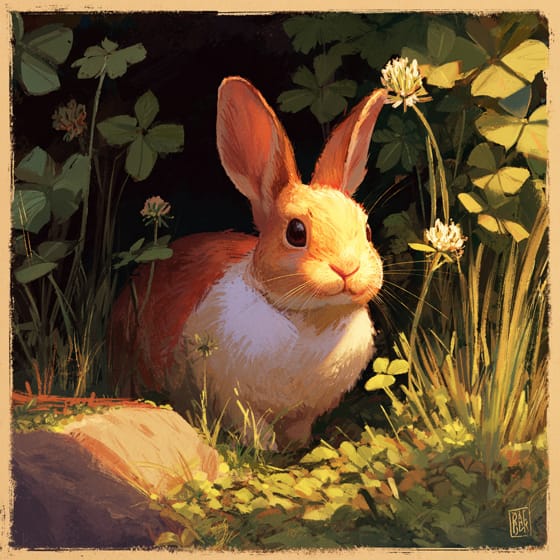
Oryctolagus cuniculus
Often preys on young or sick rabbits.
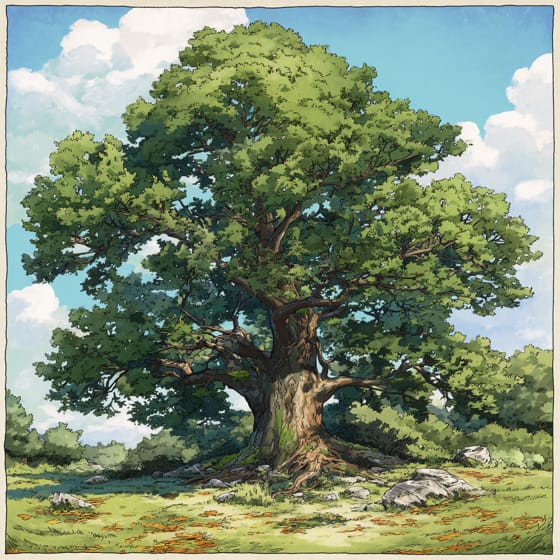
Quercus robur
Often builds large nests in mature oak trees.
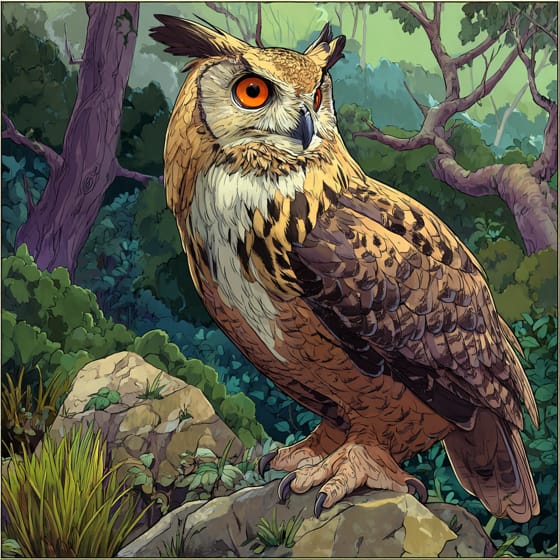
Bubo bubo
Large eagle-owls are known predators of buzzards.
Wildlife encompasses all undomesticated animal and plant life existing in their natural habitats.
Feathered describes animals, primarily birds, possessing a covering of feathers.
Aerial creatures spend a significant portion of their lives airborne, utilizing flight for various activities such as hunting, migration, or nesting.
Scavengers consume dead organic matter, helping to decompose carcasses and other waste in the ecosystem.

Singing animals produce complex vocalizations, often for purposes of attracting mates, defending territory, or communicating within their species.

Forest habitats are terrestrial environments dominated by dense tree cover, supporting a high diversity of plant and animal life.

This trait identifies organisms whose diet consists entirely or primarily of animal tissue.

Diurnal animals are primarily active during daylight hours, typically resting or sleeping at night.
Danger
2/5 · Low
Watch quietly from a distance and never try to feed or chase wild animals.
The easiest way to identify Common Buzzard is to use the Snappit nature identifier app.
50-57 cm
110-130 cm
0.7-1.4 kg
6-25 years
50 km/h
Common Buzzards are skilled hunters who eat small mammals, birds, reptiles, and even insects.
Fields, forests, and hills
Zoom in to split clusters and explore where this object has been snapped.
England, UK
You might spot African Elephant, Bornean Orangutan, and Tiger.
View guide →

England, UK
You might spot Red Panda and Ring-Tailed Lemur.
View guide →

Hainaut, BE
You might spot Giant Panda, Polar Bear, and Tiger.
View guide →

Berlin, DE
You might spot Giant Panda, Asian Elephant, and Hippopotamus.
View guide →
.jpg)
Ústí nad Labem Region, CZ
You might spot Bears, South American Tapir, and Macaques.
View guide →

Spain, ES
You might spot African Elephant, Brown Bear, and Gorilla.
View guide →
Take the discovery with you
Snap it with Snappit to identify it, learn what makes it special, and add the discovery to your collection.





.jpg&width=800)







