Mirror Carp
Cyprinus carpio
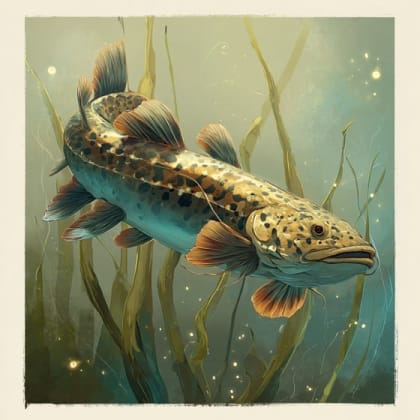
The Mirror Carp is a special type of carp with shiny scales that look like mirrors. They are very beautiful to see!
Habitat: Ponds and lakes
The Mirror Carp has a deep body covered in scattered, very large, highly reflective scales that give it a unique, patchy appearance. Its skin between these prominent scales is smooth and often grayish-brown to golden-green.
Category
FishRarity
Common
Danger
2/5 · Low
Snaps
Be the first to snap!
Mirror Carp are a special type of Common Carp, bred by humans for their unique scale patterns!
Some Mirror Carp have lived for over 60 years, making them one of the oldest fish!
They don't have many scales, but the ones they do have can be as big as a coin!
They use their mouth to "suck up" food from the bottom like a tiny vacuum cleaner!
Mirror Carp can find food in murky water because of four whiskers (barbels) around its mouth that help them sense tasty morsels.
Mirror Carp has an incredible tolerance to low oxygen and varied water quality because of specialized gills that helps them thrive in tough places.
Mirror Carp can escape danger with a strong, muscular body that helps them quickly propel through the water.
Mirror Carp munch on almost anything they find, from plants to tiny critters!
Gammarus pulex
Mirror Carp often feed on these small crustaceans.
Chironomus plumosus
These larvae are a common food for carp in muddy bottoms.
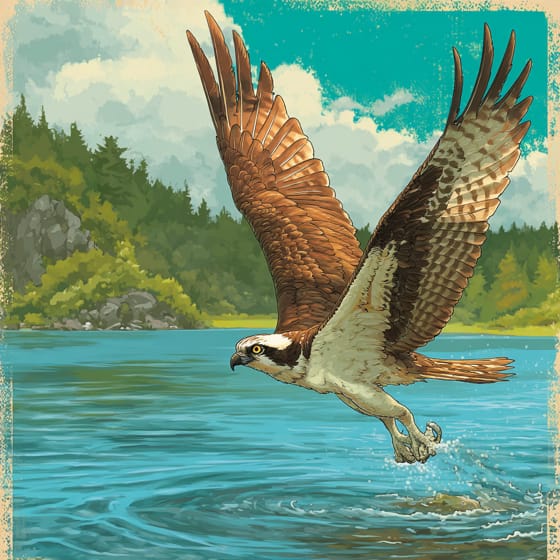
Pandion haliaetus
Ospreys hunt and eat Mirror Carp found near the surface.
Wildlife encompasses all undomesticated animal and plant life existing in their natural habitats.
This trait identifies organisms whose diet includes both plant and animal matter.
Colorful describes organisms or objects displaying a wide range of bright and distinct colors.
Freshwater habitats include non-saline aquatic environments such as rivers, lakes, ponds, and wetlands, vital for numerous species.

Aquatic habitats encompass environments where organisms live predominantly in water, including oceans, rivers, lakes, and wetlands.

Nocturnal animals are primarily active during the nighttime hours, typically resting or sleeping during the day.
No aliases listed yet.
Danger
2/5 · Low
Watch quietly from a distance and never try to feed or chase wild animals.
30-100 cm
2-25 kg
15-40 years
Mirror Carp munch on almost anything they find, from plants to tiny critters!
10 km/h
Ponds and lakes
Foraging
15 m
Zoom in to split clusters and explore where this object has been snapped.
Recent snaps will appear here as new observations are added.