American Chestnut
Castanea dentata
The American Chestnut tree is famous for its big nuts and tall stature. It used to be very common in forests!
Habitat: Forests and woodlands
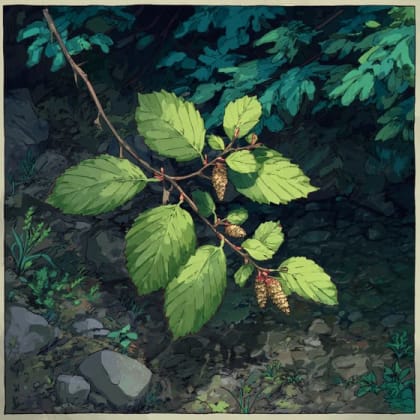
The American Chestnut has a straight, sturdy trunk and a broad, spreading crown. Its oblong leaves are sharply toothed with a distinctive "sawtooth" edge, often a yellowish-green. In fall, it produces spiny green burrs that split open to reveal shiny, deep-brown nuts.
Category
TreesRarity
Epic
Danger
1/5 · Very low
Snaps
28
Before a disease, American Chestnuts made up a quarter of eastern US forests!
Its wood was so strong and rot-resistant, it was used for everything from cradles to coffins.
Millions of trees were lost in just a few decades, changing the forest forever!
The blight that devastated the trees arrived from Asia in the early 1900s.
American Chestnut can develop partial resistance to the blight, allowing some trees to survive longer against the fungus.
American Chestnut has the ability to resprout from old root systems, even after the main trunk dies from blight.
American Chestnut's nuts are packed with carbohydrates and fats, providing vital energy for wildlife and humans.
Cryphonectria parasitica
Causes deadly cankers, killing the tree.
Sciurus carolinensis
Relies on its protein-rich nuts for food.
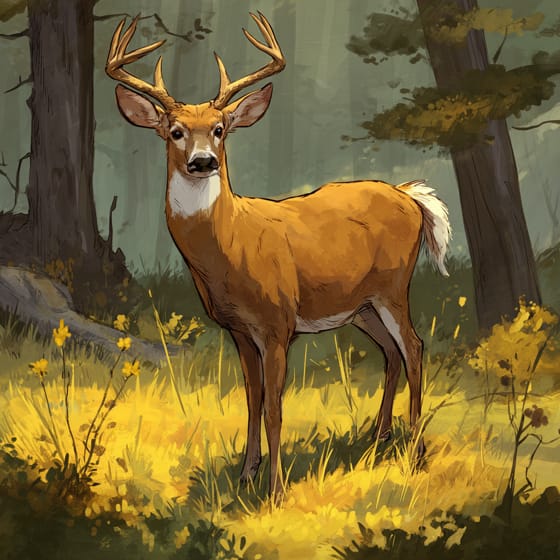
Odocoileus virginianus
Browses on leaves and consumes fallen nuts.
Meleagris gallopavo
Feeds on nuts, an important food source.
Deciduous plants periodically shed all their leaves, typically during autumn or dry seasons.
Broadleaf trees are angiosperms characterized by flat, wide leaves that are typically shed annually in temperate climates.
Fruit-bearing plants produce fruits, which are the mature ovaries of flowering plants containing seeds.
Fall color refers to the seasonal change in foliage pigmentation, primarily in deciduous plants, displaying vibrant hues.

Rapid growing plants exhibit accelerated growth rates, quickly increasing in size and biomass within a short period.

Forest habitats are terrestrial environments dominated by dense tree cover, supporting a high diversity of plant and animal life.

Endangered status indicates a species is at a very high risk of extinction in the wild in the near future.
Danger
1/5 · Very low
Do not pick or eat anything you find. Some plants and mushrooms can be harmful.
20-35 m
10-20 m
Yes
100-300 cm
200-600 years
Forests and woodlands
Nut
Fast
Zoom in to split clusters and explore where this object has been snapped.
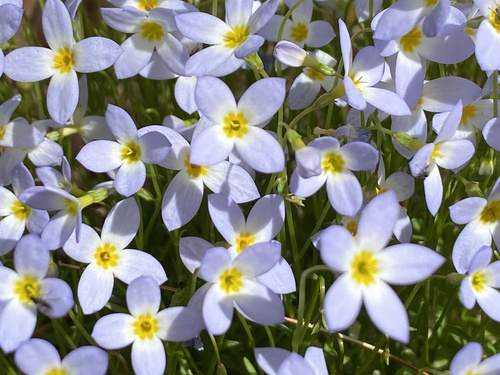
Virginia, US
You might spot Azure Bluet and Allegheny Blackberry.
View guide →

Maryland, US
You might spot Large Whorled Pogonia and Pink Lady's Slipper.
View guide →
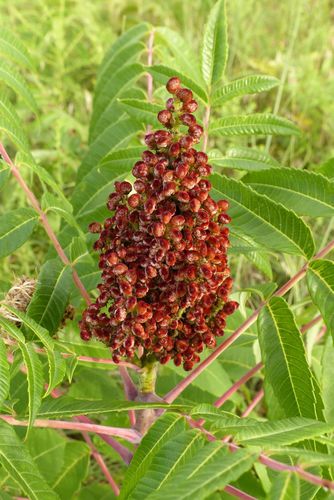
Massachusetts, US
You might spot Smooth Sumac, Brambles, and Evening Primrose Family.
View guide →