
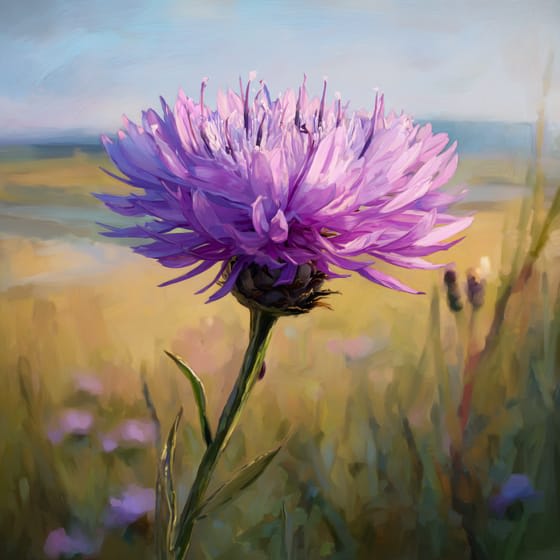





Greater Knapweed
Centaurea scabiosa L.
Greater Knapweed is a tall flower with striking purple blooms. It stands out in wildflower meadows and attracts lots of butterflies.
Habitat: Wildflower meadows
The Greater Knapweed has large, shaggy purple-pink flowers that resemble thistles, featuring distinct scaly bracts beneath. Its deeply lobed leaves form a rosette, while stiff, branching stems rise, making it visually striking among meadow plants.
Category
PlantsRarity
Common
Danger
1/5 · Very low
Snaps
Be the first to snap!
Certain types of butterflies depend on knapweeds as important food sources!
Even after flowering, its dried seed heads remain upright, adding winter interest.
Its name 'knapweed' might come from the 'knops' or knobs of its flower heads!
The Romans reportedly used knapweed for its medicinal properties long ago.
Greater Knapweed has a taproot that dives deep to find water, helping it survive dry spells and access vital nutrients.
Its vibrant purple flowers produce abundant nectar, attracting many bees and butterflies for pollination.
Greater Knapweed's seeds are carried by wind and sometimes animals, helping it colonize new areas effectively.
Apis mellifera
visits flowers for nectar and pollen.
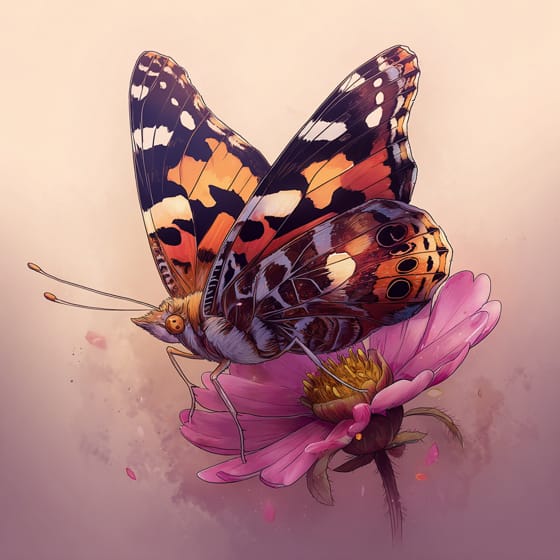
Vanessa cardui
butterfly sips nectar from blooms.
Chrysolina fastuosa
larvae and adults feed on leaves.
Perennial plants live for more than two years, typically returning to grow and bloom each year from their roots.
Flowering plants are any plants that produce flowers as part of their reproductive cycle.
Grassland habitats are terrestrial biomes dominated by grasses and herbaceous plants, supporting a variety of grazing animals.
No aliases listed yet.
Danger
1/5 · Very low
Explore with care and ask an adult if you’re unsure what to do.
30-100 cm
3-5 cm
Summer
Yes
None
Perennial
Insect
Wildflower meadows
Zoom in to split clusters and explore where this object has been snapped.
Recent snaps will appear here as new observations are added.



















